30+ AI Video Marketing Statistics You Need to Know (2026 Edition)
AI video marketing didn’t suddenly appear out of nowhere. It crept in quietly, proved it could save time and money, and then refused to leave.
A few years ago, using AI for video felt optional, nice to experiment with, and easy to ignore. Today, it’s baked into how real marketing teams work.
Video still runs the show in digital marketing, but AI has changed how it’s made, how fast it ships, and how personal it can be. The numbers below don’t deal in hype. They show why AI video is becoming the default way brands scale content in 2026.
What Is AI Video Marketing?
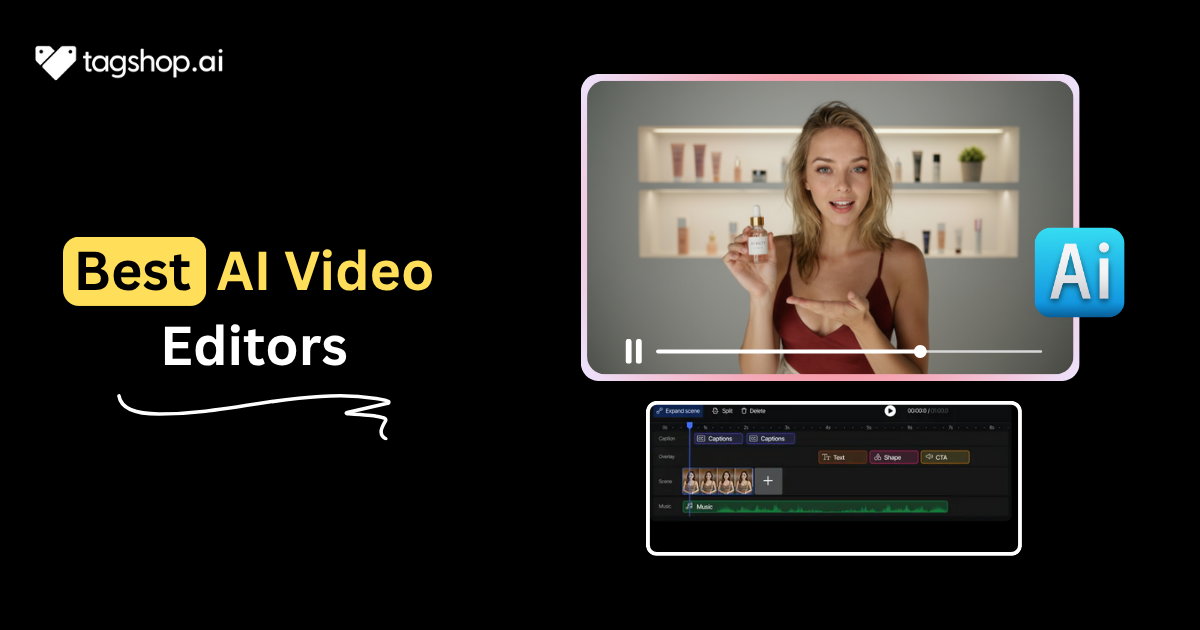
AI video marketing is exactly what it sounds like: using artificial intelligence to create, edit, personalize, and distribute video content, without relying on traditional production setups.
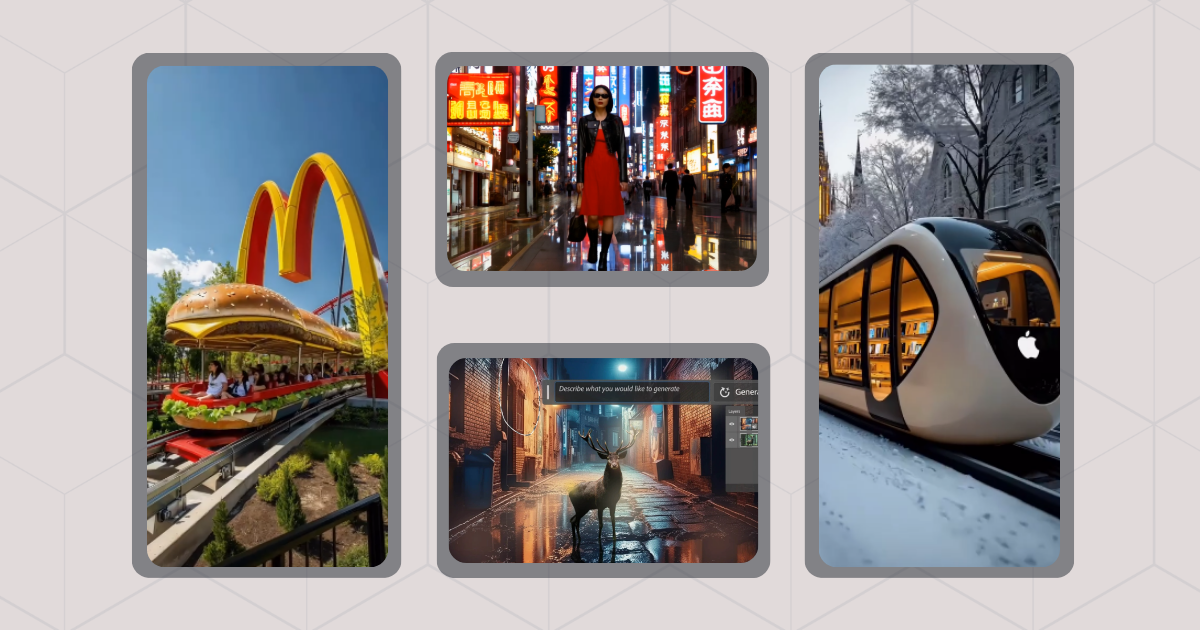
Instead of cameras, studios, actors, and long post-production cycles, AI tools handle much of the heavy lifting. Scripts can be generated automatically. Videos can be created from text. Voiceovers, subtitles, and edits happen in minutes instead of days.
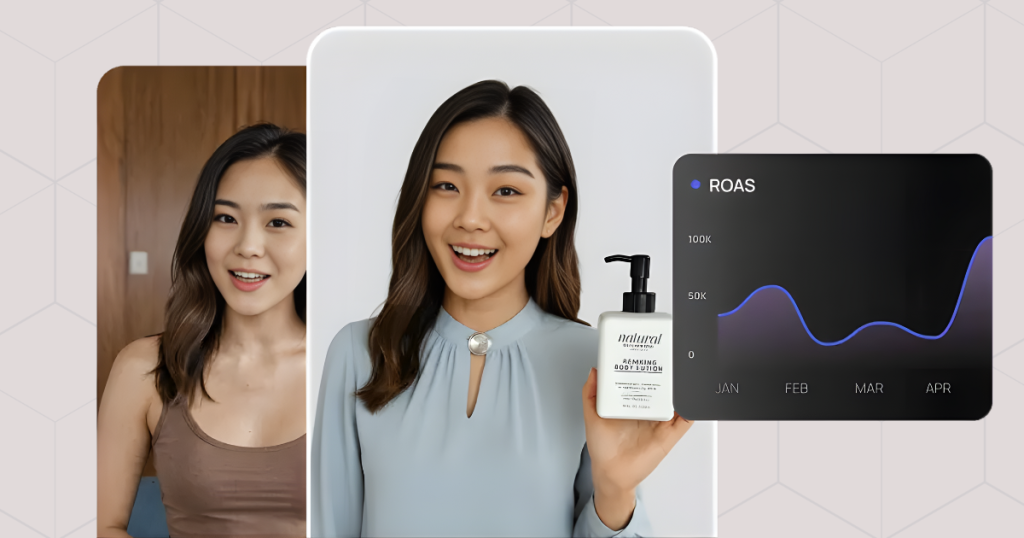
For marketers, this means one big thing: video finally scales. You can create more content, test more ideas, and personalize videos for different audiences without burning your budget or your team.
Today, AI video is commonly used for ads, product demos, onboarding flows, social media content, internal updates, and performance marketing campaigns.
It typically includes:
- AI avatars
- AI voiceovers and transcripts
- Text-to-video tools
- Automated video editing and formatting
- Personalized video variations
How AI Video Marketing Is Different From Traditional Video Marketing
| Aspect | Traditional Video Marketing | AI Video Marketing |
| Production Process | Slow and manual. Requires planning shoots, coordinating teams, and waiting on edits. | Automated and streamlined. Scripts, visuals, voiceovers, and layouts are generated quickly. |
| Personalization | Expensive and time-consuming. Each version requires extra effort and resources. | Effortless and scalable. Names, locations, languages, and product details can be customized automatically. |
| Cost | High costs due to equipment, talent, studios, and post-production. | Significantly lower costs. No studios, shoots, or complex logistics needed. |
| Speed to Market | Takes weeks to produce and launch new videos. | Fast enough to launch the same day, pivot quickly, and test ideas in real time. |
| Optimization & Testing | Limited iteration. Testing multiple versions is rarely practical. | Built-in optimization. Run multiple versions, analyze performance, and refine continuously. |
AI Video Marketing Statistics (30+ Verified Facts)
A. Market Growth & Adoption
1. 51% of video marketers are now using AI tools for video creation or editing.
That’s not gradual adoption. That’s acceleration. In two years, AI videos went from “interesting” to “normal.” Teams simply can’t keep up with content demand without it anymore.
2. 41% of brands are using AI for video creation, compared to 18% the year before.
Budgets follow efficiency. As traditional production struggles to scale, AI becomes the obvious alternative.
3. 96% of marketers believe AI-driven personalization will be a game-changer.
That number tells you this isn’t about tools, it’s about outcomes. Marketers know relevance wins, and AI finally makes it scalable.
4. 78% of marketing teams have integrated AI video tools into their workflows.
AI video isn’t sitting in a corner anymore. It’s embedded into CRMs, ad platforms, and content pipelines.
5. 54% of content marketers already use AI to create or edit videos.
This isn’t limited to big-budget campaigns. AI video is now part of everyday content work.
B. Cost & Production Efficiency
6. AI video tools can reduce production costs by 60–80%.
When you remove studios, shoots, and long edits, the math changes fast.
7. AI reduces time-to-market from weeks to hours.
Instead of waiting for production cycles, teams can create and launch on demand.
8. Businesses using AI video save up to 80% of timeand budget.
Less execution and more strategy. That’s the real win.
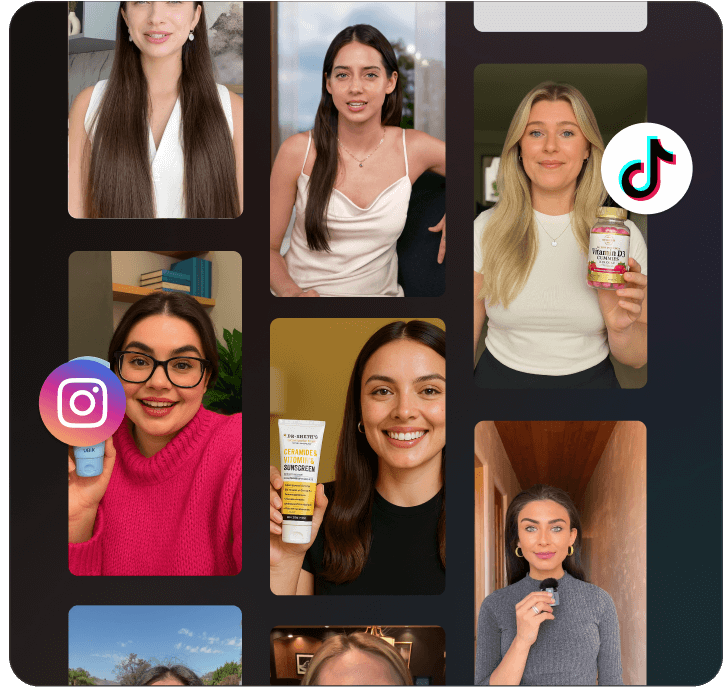
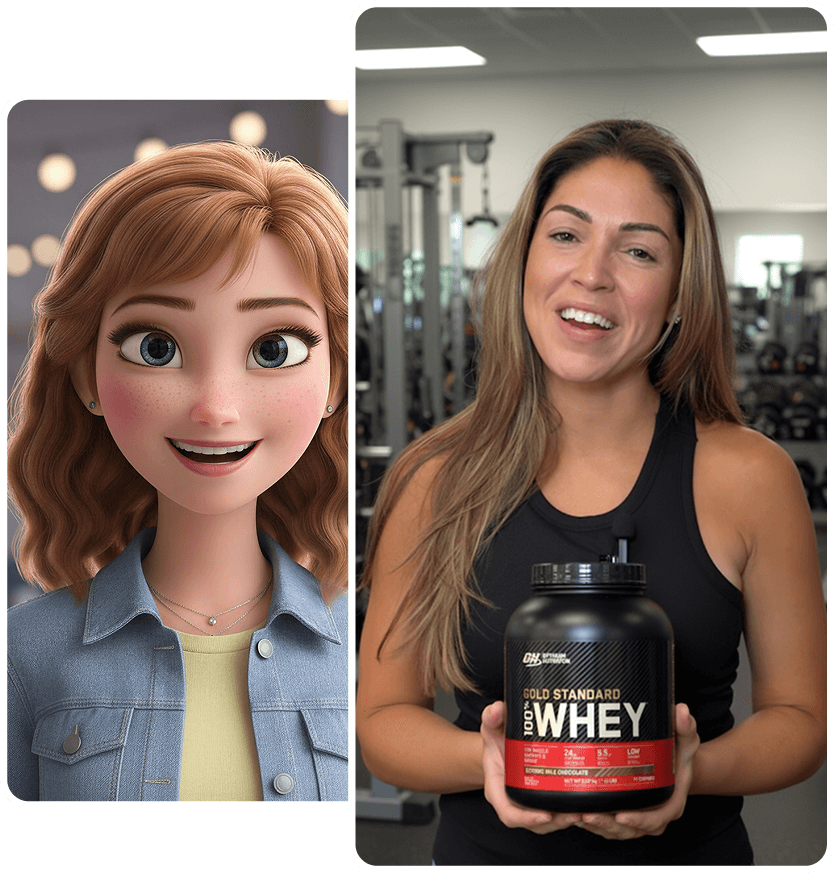
9. AI avatars can generate up to 300% higher response rates.
Personalized, human-like video messages outperform static outreach, especially in sales and email.
10. AI avatar videos cost only 20–25% of traditional production budgets.
High engagement, low spend. That’s why avatar videos are everywhere.
C. Speed & Time-to-Market
11. Over 60% of marketers say AI cuts video creation time by more than half.
This is what makes AI video sustainable long-term.
12. AI enables teams to produce 3x–10x more video content.
More formats and platforms, but the same team.
13. 95% of marketers now say video is a core part of their overall marketing strategy, up from 88% just a year earlier.
Video has moved from “important” to non-negotiable, and teams that don’t scale video risk falling behind fast.
D. Personalization & Engagement
14. AI-generated videos increase engagement by 40–50%.
Relevance still wins, and AI just makes it easier to achieve.
15. 72%of consumers prefer personalized video content.
Generic content doesn’t cut it anymore; the audience seeks personalized video content.
16. Personalized AI videos improve retention by 35%.
When content feels meant for you, you stay longer.
17. AI-generated subtitles increase retention by 65%.
Silent viewing is the norm, not the exception. Thus, AI-generated subtitles are crucial now.
18. Personalized AI videos see 60%higher watch times.
And watch time drives everything else, be it engagement, views, or action.
E. ROI & Performance
19. AI video campaigns report up to 82% higher ROI.
Lower costs plus better engagement equals better returns.
20. AI product demo videos boost conversions by 40%.
Clear explanations still matter, and AI makes them scalable.
21. AI video ads deliver 28% higher email CTRs.
Video pulls attention where text alone doesn’t.
22. AI-driven A/B testing improves ad performance by 33%.
Testing more creatives leads to better decisions.
23. Brands using AI video ads saw 41% YoY ROI growth.
Optimization compounds over time.
F. Scalability & Localization
24. 52%of brands use AI to localize video ads.
Global reach without global production teams.
25. Over 30%of marketers use AI for multilingual video translation.
Language is no longer a blocker.
26. 60%+ of marketersautomate captions and scripts with AI.
Accessibility, SEO, and reach, all handled automatically.
27. 75%of video marketers admitted that they use AI for video creation to scale up their content.
Most people watch AI videos without even realizing it.
28. AI-optimized video ads show up to 35% higher ad recall compared to non-AI video ads.
AI improves pacing, personalization, and structure, making video ads more memorable.
29. Frequent creative refreshes using AI reduce ad fatigue and can lower CTR decline by up to 30%.
AI helps brands rotate creatives faster, keeping paid campaigns effective for longer.
30. Videos with AI-generated captions and optimization see 20–25%higher completion rates, especially on mobile.
AI improves accessibility and viewer retention, which directly boosts performance metrics.
Where This Is Headed
Generative AI is expected to power up to 40% of all digital video ads by 2026 as adoption spreads beyond enterprise brands.
At the same time, AI video quality is becoming indistinguishable from traditional production. In studies, people correctly identify AI-generated video only about 57% of the time.
Final Thoughts
AI video marketing isn’t a trend anymore. It’s infrastructure.
Teams using AI move faster, test more, and waste less budget. They don’t wait weeks to learn what works; they find out today.
Tools like Tagshop.ai make it easier to turn AI-powered videos into performance assets without heavy production overhead.
The advantage isn’t about using AI. It’s about using it before everyone else is forced to.
Written by:

Neeraj is passionate about reshaping brand storytelling through AI-powered UGC videos. As the Founder he helps brands unlock authentic, creator-style video content that drives results - without the traditional time, cost, or complexity. His approach blends AI innovation with marketing performance to scale engagement efficiently.