16 Marketing Strategies for Supplement Brands in 2026
Marketing a supplement brand in 2026 is less ‘just posting’ and more ‘ prove it, then prove it again’. Consumers are smarter, platforms are noisier, and trust is the new currency. And to be honest, marketing strategies for supplement brands should focus on trust rather than old-style campaigns. This blog dives into 16 marketing strategies for supplement brands built for this new way of marketing: community-first growth, personalisation, AI, and automation.
Trust us, these marketing strategies for supplement brands will actually move the needle.
What is Supplement Marketing?
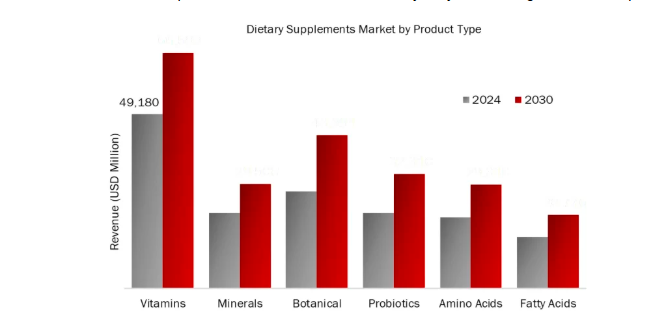
Supplement marketing is the process of promoting vitamins, minerals, protein powders, and other dietary supplements to the right audience without breaking trust or regulations. It goes beyond flashy ads or fake claims. Supplement or health product marketing means clear messaging, compelling claims, transparent ingredients, social proof, and content that helps people understand why a product fits their lifestyle and health goals. These supplement marketing ideas primarily involve digital channels, influencer partnerships, and educational content.
16 Marketing Strategies for Supplement Brands in 2026
Below are the 16 marketing strategies for supplement brands in 2026:
1. AI-Powered Video Ads for Paid Campaigns

Paid ads continue to be one of the most reliable marketing strategies for supplement brands, and with AI, it has become a lot easier. AI-powered video ads let supplement brands test faster, personalise the content, and scale what works best without spending much. Instead of guessing which content converts, AI helps you to find it by analysing and
- Auto-generating multiple hooks, visuals, and CTAs
- Test better
- Adapt creatives as per the platform (Meta, TikTok, YouTube, etc.) without re-shooting
2. AI Avatar Creation for Brand Storytelling
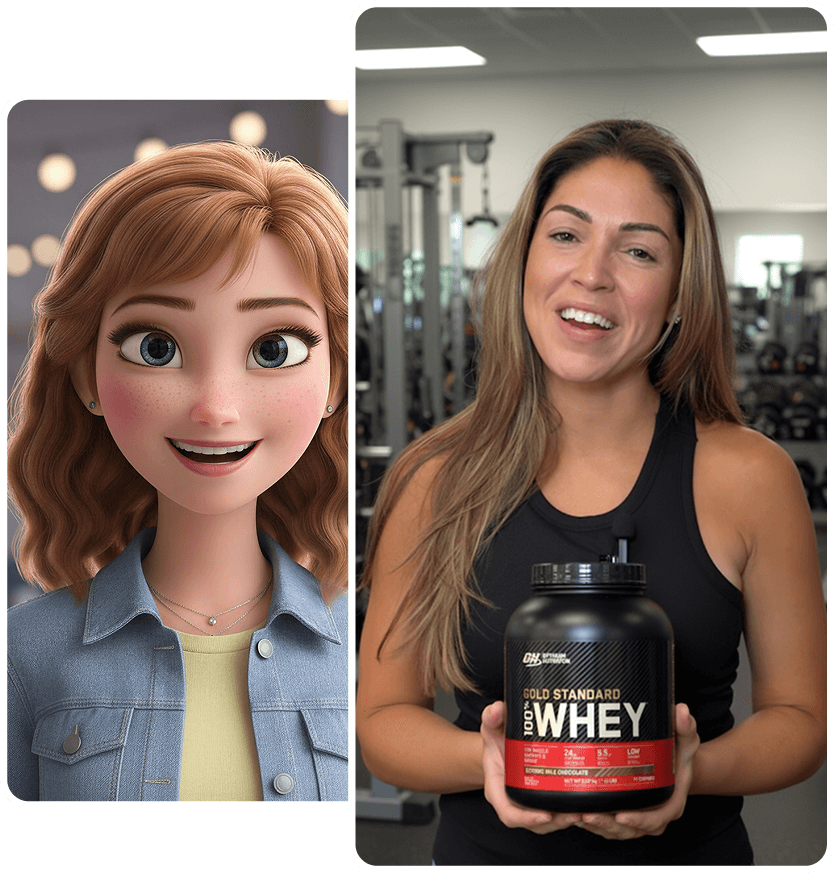
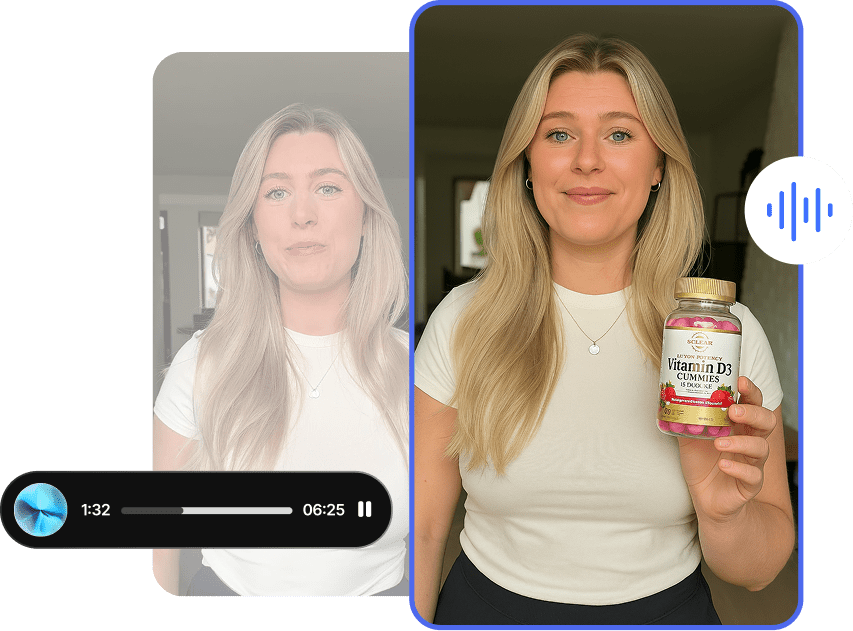
Not every brand has a founder who loves being on camera, and it’s okay. AI-powered tools like Tagshop AI have a wide range of AI avatars that let you tell your brand story and enhance your wellness industry marketing consistently without delays. This means no creator hiring, no delays, and no high production costs each time.

- Create your brand face by selecting the AI avatar that best aligns with your brand.
- Use these AI avatars for creating educational videos, explainer videos, FAQs, and supplement campaign videos.
- Maintain a consistent tone across all platforms to build trust.
- If you have a global reach, then use its multilingual support
3. AI Twins for Founder-Led Video Marketing
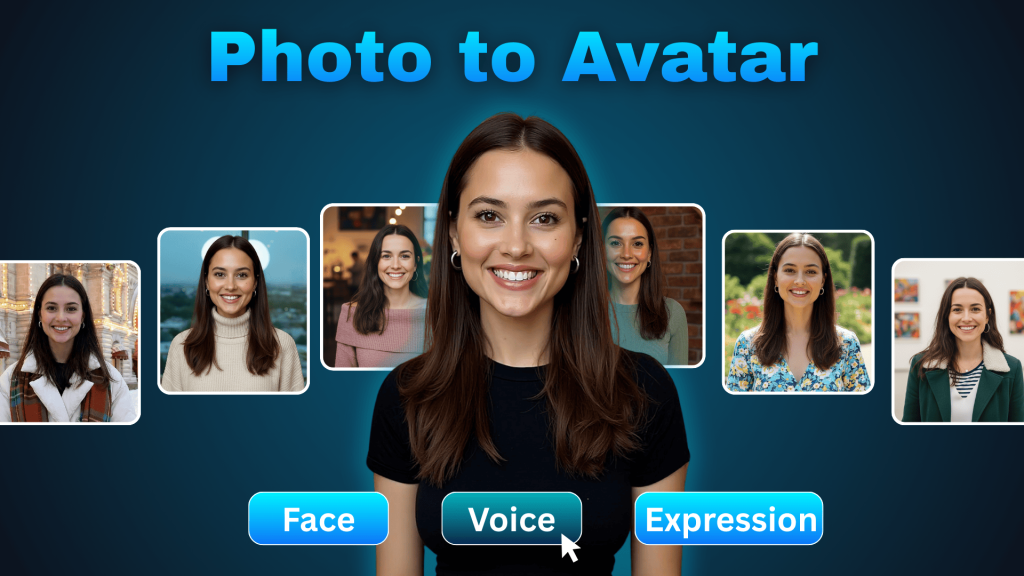
Well, to be honest, founder-led content converts better, but founders are busy humans, right? For this, supplement brands can use AI twins to scale their presence. This supplementary marketing idea looks as real as the real humans without losing any personal touch. Simply do the following:
- Upload a photo, repurpose it endlessly
- Share product insights and details consistently
- Build trust without being available every time.
4. Personalised Email Marketing (Offers and Discounts)
Email marketing is not dead if used strategically. But most brands make it boring by simply offering discounts and not personalising them. In recent times, email personalisation isn’t an option; it’s a must-have. Smart supplement brands and marketers personalise email based on:
- Past purchase
- Users health & fitness goals
- Subscription status
- Browsing behaviour
Based on each user’s activity and the above goals, supplement brands send and enhance their email marketing campaigns.
5. Community-Driven Marketing
Any brand, including a supplement brand, that grows over the long term creates spaces where its customers can connect, engage, and discuss. This marketing strategy for supplement brands keeps customers active and builds trust.
Most supplement brands create communities through:
- Facebook groups
- Reddit communities
- WhatsApp communities, etc.
Within these communities, users can share their results and routines, ask questions, and learn from other active users.
6. Educational Social Content
Your target audience doesn’t care how fancy your product looks; they want to know why it works. That’s why you don’t focus on selling; instead, educate your audience about health, hormones, supplements, and fitness. For example, you can share content related to the following:
- When and how to take supplements for the best results
- Myth-busting videos and posts
- Ingredients and benefits to build trust and transparency
7. URL-to-Video for Fast Content Production
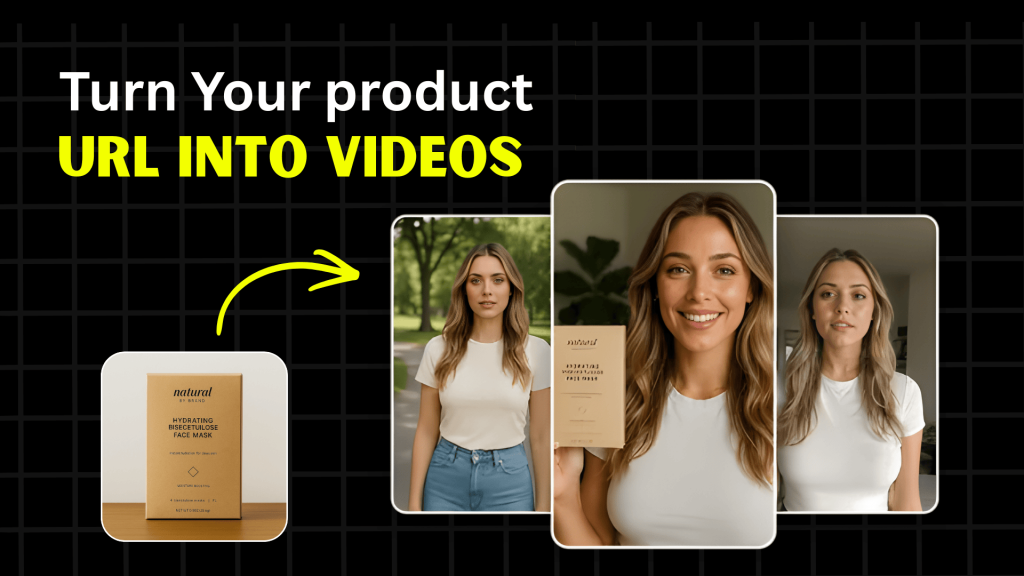
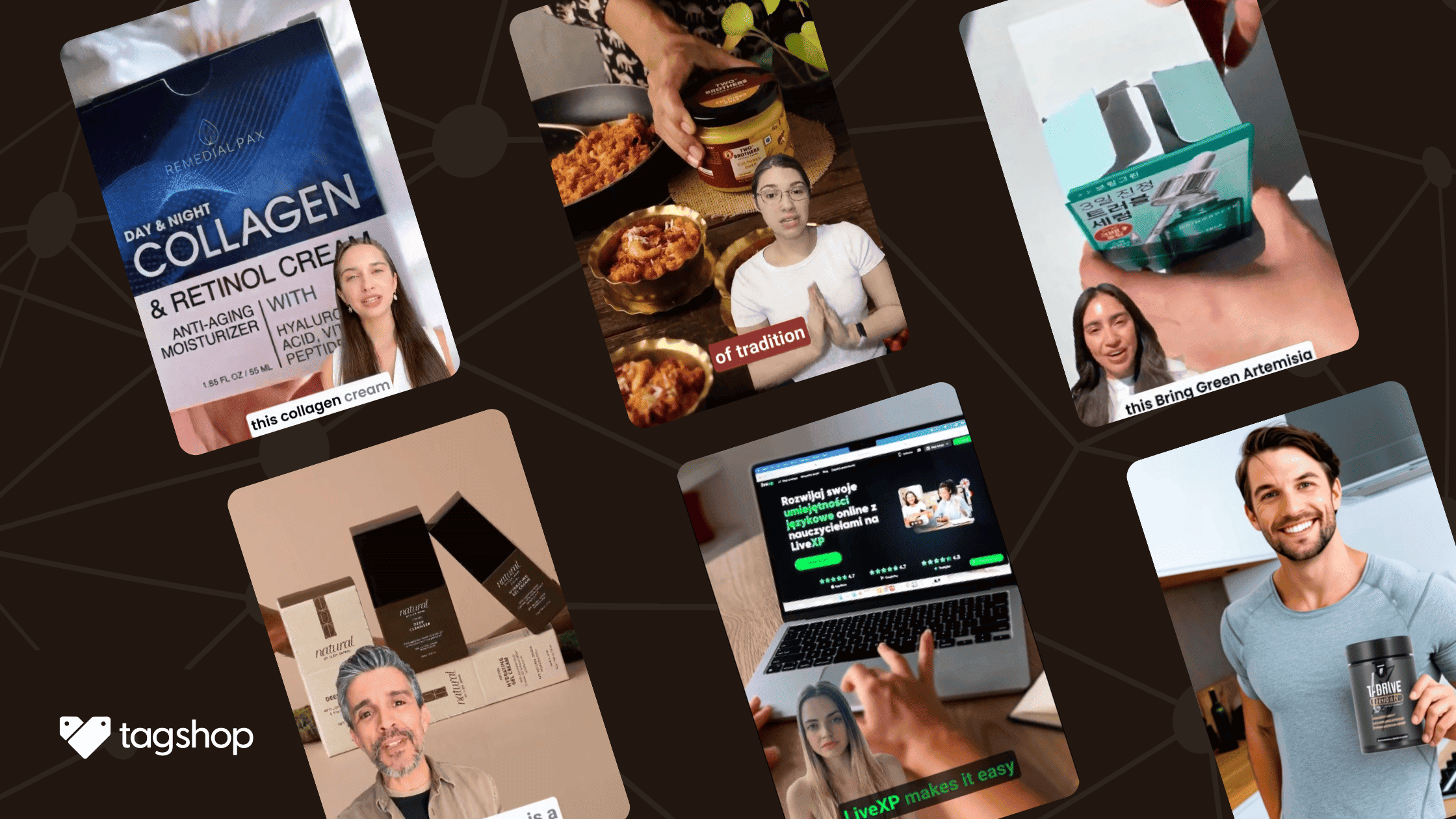
You need to be smart in your approach while using AI and automation tools. Got a blog? Supplement product page? Research article? Cool, now turn it into an AI video ad in minutes. URL to video generation tools like Tagshop AI are fast, smart, and save a lot of marketing team efforts and production costs.
- Easy to turn long-form content into short campaign videos
- Perfect for ads, reels, and YouTube Shorts
- Ideal for content scalability with low efforts
8. Short-Form Video for Social Commerce
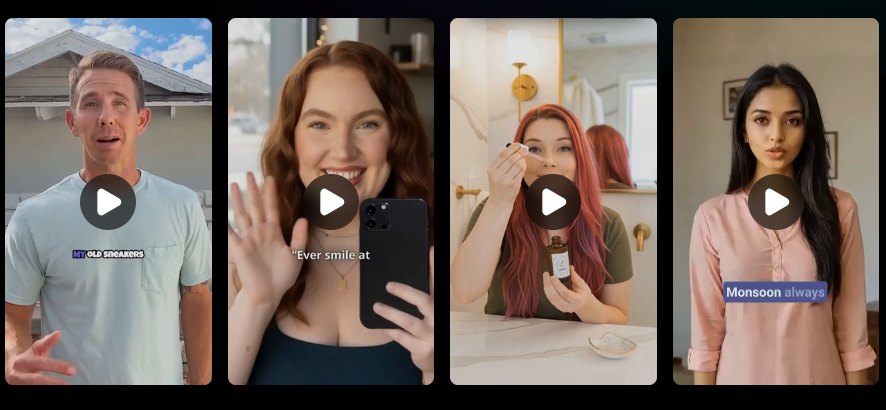
Everyone creates short-form video content to get views and go viral. Views are nice, but they are not conversions. Creating short videos not just for views but to drive purchases is one of the best supplement marketing strategies. Hence, ensure that you turn your videos shoppable at various marketing touchpoints or create high converting short form shopify videos to get sales.
Here’s what high-performing videos look like:
- Capture attention in the first 2-3 seconds
- Showcase product usage in real life
- Educate users rather than just selling
9. Targeting Specific Demographics
Trying to sell supplements to everyone is a bad strategy. Instead, try to target specific groups of people and not adults who want to be healthy. For example, focus on specific groups like:
- Women dealing with hormonal issues
- Athletes focused on recovery
- Professionals struggling with sleep
- Seniors dealing with joint issues
Clear audience and messaging means better conversions
10. SEO-Optimised Product Pages
SEO optimized product pages help users find out about your products and feel confident in buying them. Most buyers land on your page with questions, and a good product page must answer all of them. This marketing strategy for supplement brands not only helps in amplifying your search engine results but also gives clarity to the users about your supplement brand.
Here’s what a strong SEO-optimized product page should look like:
- Explain the product and ingredients in simple language
- Clearly state the main benefit of the product
- Answer common questions users generally have
- Showcase strong social proof
When your product page is easy to understand, people engage better, stay longer, and are more likely to buy.
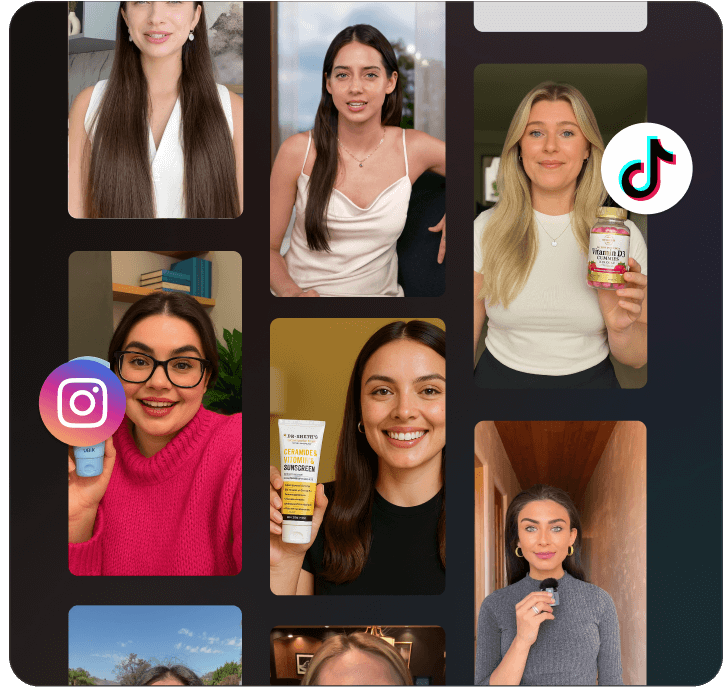
11. Influencer-Driven UGC Campaigns
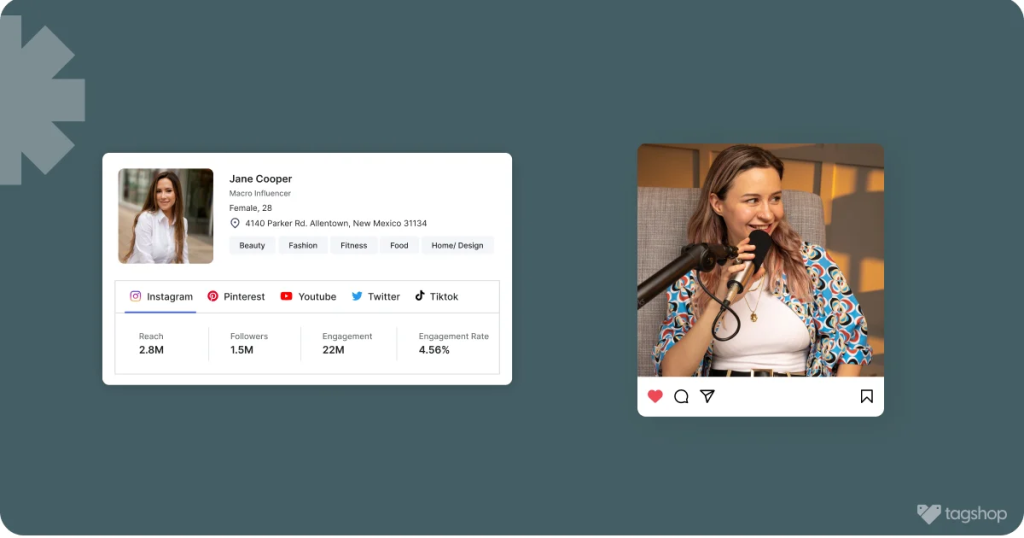
People trust people. Especially the ones who like them, talk like them, and give real reviews. That’s what influencers do, and that’s why users trust them. Launch influencer-driven UGC campaigns and collaborate with them to build trust. For supplement brands, collaborating with creators and influencers isn’t just about reach; it’s about showing real results, experiences, before and after, and establishing trust. It’s authentic, unpolished, which makes people go ‘Yeah! I actually need that. Here’s what you can do:
- Incentive creators and influencers with promo codes and links
- Repurpose their content for ads, email campaigns, etc.
12. Prompt Subscription
Subscription prompts are a powerful tool for engaging users and encouraging them to subscribe to your push notifications. Customers mostly expect subscription options that fit their routines, especially from supplement brands.
Some of the strong prompt subscription strategies include:
- Reminds customers before they run out of supplements
- Sends a prompt before billing or shipping
- Let’s customers easily skip, pause, or adjust delivery
When customers see that the subscription model is flexible, they feel more comfortable signing up. This leads to longer subscriptions, fewer cancellations, and better customer relationships.
13. Compliance-Friendly SMS
SMS marketing is still powerful in supplement brands, but it should not be annoying. Every message should not scream ‘Buy Now’ or ‘Avail this Offer’. This way, people unsubscribe easily. An effective SMS marketing strategy should always include:
- Refill reminders when supplies are running low
- Order and delivery updates
- Limited and relevant offers
- Sometimes, quick educational tips
Ensure that you always strive to give value to your customers, and then the sales will follow naturally.
14. Print Advertising & TV Ads
Print advertising and TV ads are a powerful marketing strategy, especially for supplement brands. They still matter because most of the target audience (say, oldies) are active on them. Also, offline ads are relevant because they are credible, support your wellness industry marketing, and create a great experience.
Some of the key points include
- Clear messaging
- Strong and compelling visuals
- Focus on storytelling rather than selling
In short, print and TV ads make your brand look premium, trustworthy, and more professional.
15. Omnichannel Presence Across Marketplaces
Customers don’t shop only at one place. They might discover you on Instagram, research about you on Google, or read reviews on Facebook or Amazon. That’s why having your omnichannel presence at various marketing touchpoints is necessary.
It matters because:
- Consistent messaging builds trust
- Supports customer loyalty
- Gather multi-platform social proof
16. Post-Purchase Engagement Content
Post-purchase engagement is more than just a ‘thank you for purchasing’ email. It’s about helping customers get the best results from your supplement and giving them full post-purchase support. It is recommended that you regularly give your customers information about:
- How to use the supplement
- Share helpful tips
- Provide them with timely reminders
- Information about dosage and routine
Conclusion
Marketing strategies for supplement brands aren’t just about flashy ads or a big budget. It’s more about trust, teaching people why your stuff actually works, and making everything super easy to follow. From AI videos and influencer posts to communities, subscriptions, and being everywhere online (and offline), these digital marketing strategies for wellness brands should help the customer feel smart and supported. When people understand the product, see real results, and feel like your brand actually cares, they don’t just buy once; they come back for more.
Frequently Asked Questions
There are multiple marketing strategies for supplement brands in 2026. Some of them include creating AI-powered video ads, collaborating with influencers, educating them, and creating a community around your brand, etc.
They help you make videos faster, test what works, and show the right message to the right people without guessing or spending a ton of time.
Yep! They let you tell your brand story without needing a real person on camera, keep messaging consistent, and save time and money
An AI twin is like a digital copy of a real person, usually a founder or spokesperson. Brands can use it to make videos, share tips, and explain products without always needing the real person on camera.
It turns your blog posts, product pages, or articles into videos in minutes. Simply grab the URL and let the tool do its magic. Perfect for quick ads, reels, or social content.
Facebook, Instagram, TikTok, and YouTube usually work really well for supplement brands.
Keep your claims realistic, avoid promising medical results, follow platform ad rules, and always be clear about ingredients and usage.
Because video shows real people, real routines, and real results. It helps customers understand how the supplement fits into their life, builds trust faster than text, and makes buying feel way less risky.
They make the product feel real. Seeing everyday people and creators use a supplement in their routine builds trust, answers doubts, and pushes shoppers closer to buying instead of just scrolling past.
SEO helps people find your supplement when they’re already searching for a solution. It brings in high-intent traffic, builds trust through helpful content, and reduces your reliance on paid ads over time.
By helping customers get real results. Clear usage instructions, follow-up content, reminders, good support, and easy reordering all make people more likely to come back instead of switching brands.
Content that feels honest and helpful, like real customer reviews, simple ingredient explanations, educational videos, and behind-the-scenes or founder-led posts. When it’s clear and not overhyped, people trust it more.
AI helps brands make more content with less effort by turning blogs into videos, creating multiple ad versions fast, and cutting down on filming and editing costs. It saves time, money, and a lot of back-and-forth.
Yes, very. Short-form videos grab attention fast, show the product in real use, and explain benefits quickly, which makes it easier for people to trust the supplement and decide to buy.
Expect AI-driven video creation, personalized short-form content, influencer & UGC campaigns, strong community engagement, subscription and retention strategies, and omnichannel marketplace presence, etc.
Written by:

Wagisha Adishree is an AI-driven SEO content writer who transforms data, algorithms, and marketing insights into high-impact narratives. She combines human creativity with AI-powered strategies to create content that ranks, converts, and connects. Naturally curious and sharp-witted, she enjoys exploring AI newsletters, decoding Pinterest trend signals, and drawing inspiration from football culture.