15 Dropshipping Marketing Strategies that Actually Work in 2026
Dropshipping does not need lazy marketing today. Ads cost more, customers ask real questions, and ‘only social media’ won’t work today. But here’s a thing that everyone won’t tell you: Dropshipping still works if your marketing is right. This blog breaks down 15 dropshipping marketing strategies that will actually work in 2026. It has real trends, data, and some practical advice.
Let’s get started:
What Is Dropshipping Marketing?
Dropshipping marketing is the process of attracting, convincing, and converting users to buyers without holding inventory or shipping products yourself. Instead of focusing on the warehouse or logistics, your main job is to market the products.
In a dropshipping model, you sell products through an online store, and when someone buys them, a third-party supplier handles the fulfillment. This approach is all about grabbing attention, building trust, and turning them into customers.
Why Dropshipping Marketing Strategies Need an Upgrade in 2026
Here are some of the reasons why dropshipping marketing strategies need an upgrade in 2026:
Rising Ad Costs
Ad platforms are crowded, like really crowded. As per the reports, global digital ad spend is projected to surpass $1.02 trillion in 2026, accounting for more than 65% of total media spend. This means more advertisers and dropshippers are fighting for the same attention, leading to faster burnouts and saturation. That’s why running dropshipping ads needs smarter targeting, better creatives, unique storytelling, and more traffic sources.
Increased Competiton
There are more dropshipping stores and ads than ever. This means increased competition and shorter attention spans. That’s why it is recommended to grab the attention of the user in the first 3 seconds. With so much content vying for focus, dropshipping marketing strategies need something unique to get conversions.
Role of AI, Automation, and Personalization
AI is everywhere now; in fact, 92% of companies are planning to invest in generative AI in the next three years. This means if your strategy is still manual today, then you need to automate it as per the trend. AI helps in tailoring target audiences, giving them personalized experiences and delivering smart dropshipping campaigns.
Shift from Product-Centric to Creator-Centric Marketing
People don’t trust random product ads like they used to. Instead, they trust people. Creator-led marketing is exploding, leading to a growing share of online sales. In 2026, dropshipping brands are collaborating with creators and influencers to build trust and genuine human connections.
15 Dropshipping Marketing Strategies in 2026
Here are 15 dropshipping marketing strategies that you must look into in 2026:
1. AI-Powered Video Ads for Product Promotion
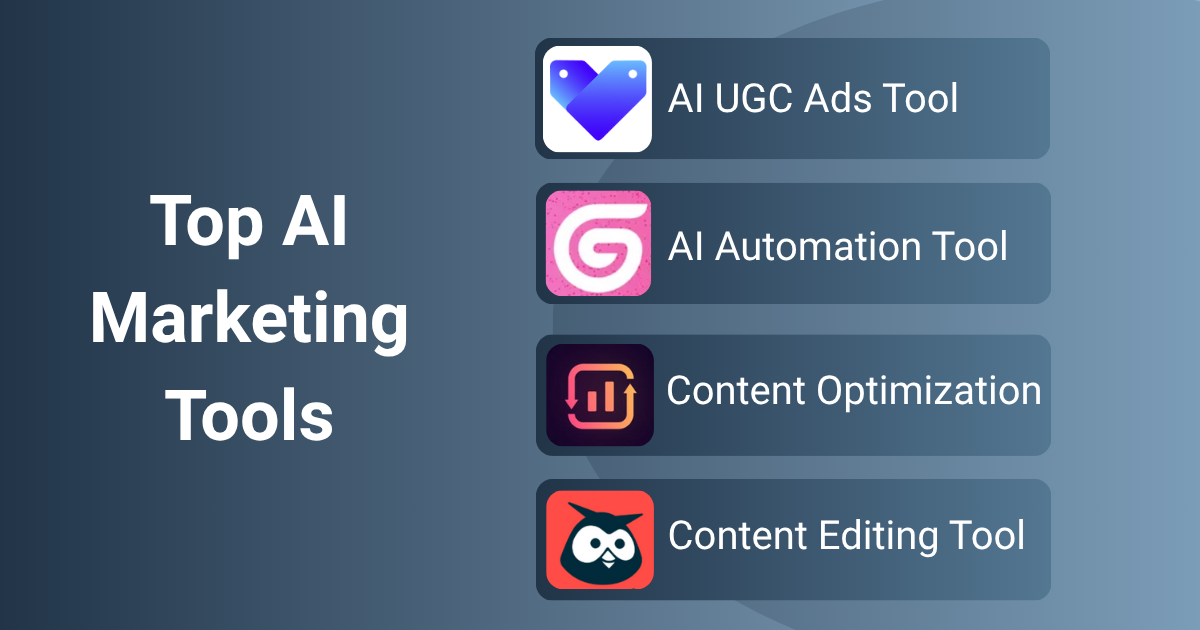
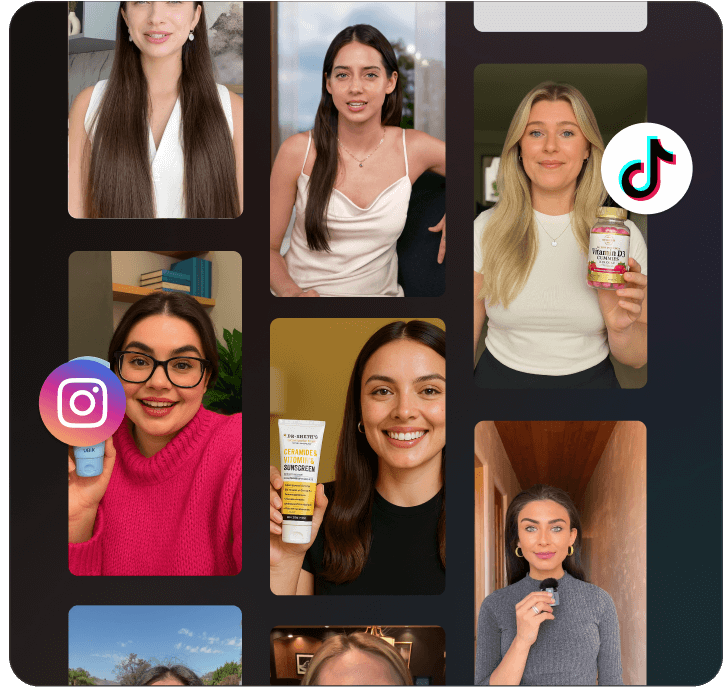
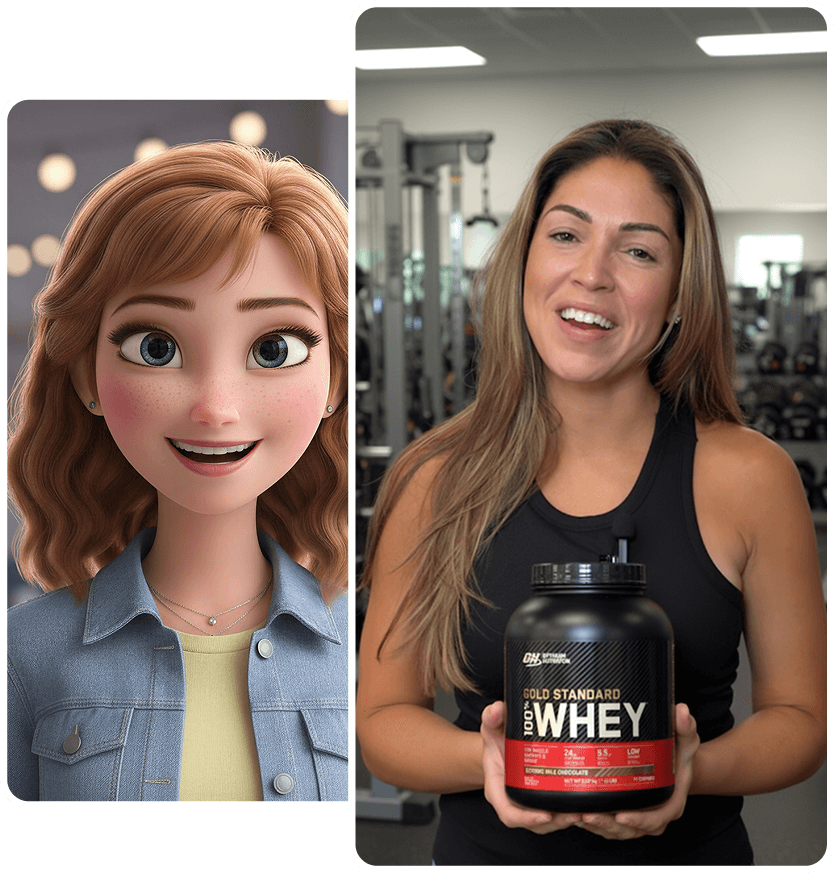
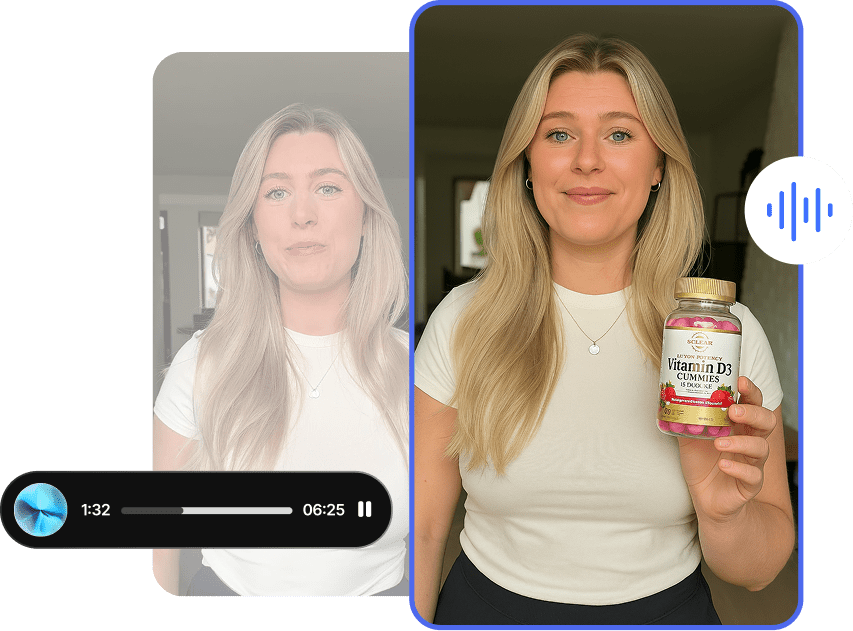
AI video tools are changing the game for dropshippers. And yes, AI dropshipping video ads work when used strategically. Instead of spending days on editing creatives, smart dropshippers are generating high-converting ads in minutes. Tools like Tagshop AI help in generating multiple ad creatives, testing multiple hooks, using lifelike creators, and even campaign management. This, in turn, leads to faster growth and better outcomes
2. Short-Form Video Marketing (Reels, Shorts & TikTok)
Short-form videos dominate in 2026; that’s where all the attention goes. Short-form content blends entertainment with selling, making it perfect for dropshipping. Quick product demos, stronger hooks, problem-solution clips, etc. works instantly well on social media.
3. Influencer-Led Dropshipping Campaigns
Influencer marketing isn’t about big celebrities anymore. In recent times, small creators often drive better engagement and trust. This is because their content feels real, unpolished, and relatable. When creators genuinely use and explain a product, conversions feel more natural. Try this marketing strategy and get better outcomes.
4. Run Paid Ads
Running paid ads is a must, and everyone does it, but you need to be smart in your strategy. Meta, TikTok, Google, and even Snapchat play different roles while running ads. Some bring attention, some bring buyers, and others won’t work. You need to research and strategize well before blindly spending money on paid ads. One such strategy is to test more creatives and videos using AI, which helps remove ad fatigue and gives better results.
5. Creator Whitelisting & Spark Ads
Creator whitelisting or spark ads on TikTok is basically running ads from a creator’s account instead of your brand account. This way, people see a real person talking about the product rather than another store ad. This strategy instantly builds trust and enhances conversions. These ads naturally blend into the feed and usually get better clicks and do not feel forced.
6. AI Retargeting & Predictive Audiences
Most people visit your store, look around, and then disappear. Its norma, but you know what? AI can better help in retargeting those customers. It watches things and predicts audiences that are genuinely interested in buying your product, not everyone who clicks it. It can also predict potential audiences who behave like your buyers and are likely to buy. Try this strategy and save money, reduce, and target the right audiences.
7. Search-Driven Dropshipping Ads
Not everyone buys from the ad right away. Some people go to Google, nowadays ChatGPT, and check reviews before buying. So, doing search-driven marketing is about showing up where people are looking for a product like yours. A good SEO helps your store and content appear on Google, while enterprise SEO services drive scalable traffic and measurable growth. So, don’t underestimate it in the era of AI and paid ads. Insights shared across platforms like Marketing Lad often reflect how search intent continues to shape buyer decisions in such journeys.
8. Email & SMS Automation Funnels
Email and SMS automation funnels quietly drive sales that would otherwise be lost. Create simple welcome flows, abandoned-cart reminders, and post-purchase follow-ups that feel friendly rather than pushy.
9. Community-Based Marketing
Community-based marketing focuses on building a community of customers rather than treating each sale as a one-time transaction. It is recommended to create WhatsApp communities, Telegram Channels, and other groups where users can discuss and share their perspectives. By integrating WhatsApp AI, businesses can automate responses, personalize interactions, and keep the community engaged with real-time support and smart recommendations.
10. Conversion-Optimized Product Pages
Driving traffic is pointless if your product page doesn’t convert. Ensure that you analyze and create a high conversion product pages that focus on clarity, speed, and trust. Additionally, a highly optimized product page should have clear headlines, benefit-driven bullet points, fast loading times, and mobile friendliness. It matters more than attractive visuals; in fact, even a 1-second delay in page load time.
11. Social Proof Marketing at Scale
Social proof remains one of the strongest marketing strategies in dropshipping. Reviews, testimonials, ratings, and UGC reassure buyers that others are already loving your product. In fact, displaying reviews can increase conversions by 18%. Hence, ensure that you repurpose your client reviews and feedback to build trust and conversions.
12. Cross-Platform Advertising Strategy
Relying on a single platform is not a good dropshipping marketing strategy. Advertising on different platforms gives exposure, more potential customers, and good performance. Try advertising on platforms like Meta, Google, TikToik and YouTube to build your brand awareness. You can start testing them with small budgets to understand what is working best.
13. AI Chatbots & Conversational Commerce
Basic FAQs are important from an SEO perspective, but AI chatbots have been effective in recent years. Stores and businesses typically see a 10-15% increase in conversion rates after implementing conversional commerce. They provide instant support, product recommendations, and real-time answers to customer queries.
14. Subscription & Loyalty Marketing
This strategy is where all your profit will come from. Turning one-time customers into repeat customers will not only enhance loyalty but also drive significant profit. Subscription models and loyalty programs help stabilize revenue and help grow customers organically. Research shows that increasing customer retention rates by 5% increases profit by 25%. Try this and enhance your brand awareness using this subscription marketing strategy.
15. Data-Driven Testing & Performance Optimization
It is recommended to A/B test different creatives, offers, landing pages, and funnels to help identify what actually works for your dropshipping store. Consistent testing and performance optimization improve results, reducing the risk of costly mistakes. You can easily make a good data-driven decision, and honestly, that saves a lot of money.
Best Dropshipping Advertising Channels in 2026
- Facebook & Instagram Ads
- TikTok Ads
- Google Search & Shopping Ads
- YouTube Shorts Ads
- Influencer & Creator Marketplaces
Common Dropshipping Marketing Mistakes to Avoid
These are some of the common dropshipping marketing mistakes
Over-Reliance on Paid Ads
While ads can bring quick traffic to your dropshipping store, over-reliance on them can burn your money. When ads are the only source of traffic, it can affect direct sales. This is because ads do not work consistently each time due to account issues, performance drops, etc. It is advisable to create organic traffic as well for better brand recognition and long-term results.
Ignoring Brand Building
This is one of the biggest mistakes dropshippers make. They focus mostly on product and sales and ignore brand building. This makes everything feel generic and lacks a clear identity. So ensure that you have a consistent branding, visuals, messaging, and tone. This improves the overall credibility and encourages repeat purchases.
Poor Audience Targeting
The whole point is this! Targeting plays a major role in how well marketing performs. Many dropshippers rely on broad targeting without understanding their ideal customers. When the message doesn’t reach the right people, even the best creative won’t work. Hence, ensure that you have clear audience targeting for a greater impact.
Must Read: How to Create Dropshipping Video Ads Using Only AI
Conclusion
Dropshipping isn’t about trying every new idea that shows up online. It’s about understanding what works for your store, testing things properly, and staying consistent even when results are slow. Tools like AI, videos, and influencer content can make things easier, but they only work when there’s a clear plan behind them. The stores that grow are usually the ones that keep improving small things, listen to their customers, and build trust over time.
Frequently Asked Questions
Marketing is now more tech-driven with AI, personalization, and short-form content dominating. Quick hacks alone don’t cut it anymore.
TikTok, Instagram Reels, YouTube Shorts, Meta, and Google Ads, each for different stages of the funnel.
Yes, if done smartly. Ads need testing, targeting, and fresh creatives to stay profitable.
It varies, but even a small budget can work if used strategically. Testing first before scaling is key.
AI helps create ads, predict audiences, automate retargeting, and optimize campaigns faster than manual work.
Yes, especially micro and nano influencers who feel authentic and relatable to their audience.
Over-relying on ads, ignoring branding, poor targeting, and not testing creatives regularly.
Very important! Short, engaging videos drive higher attention and conversions than static ads.
TikTok, Instagram, YouTube, Meta, and sometimes Snapchat, depending on your audience.
Keep them clear, mobile-friendly, with strong CTAs, trust signals, and short demo videos.
CTR, ROAS, CPA, conversion rate, and audience engagement give a good overview.
Absolutely. Stores with consistent branding earn trust, repeat buyers, and sustainable growth.
Written by:

Wagisha Adishree is an AI-driven SEO content writer who transforms data, algorithms, and marketing insights into high-impact narratives. She combines human creativity with AI-powered strategies to create content that ranks, converts, and connects. Naturally curious and sharp-witted, she enjoys exploring AI newsletters, decoding Pinterest trend signals, and drawing inspiration from football culture.