7 Best AI Avatar Solutions for UGC Product Ads
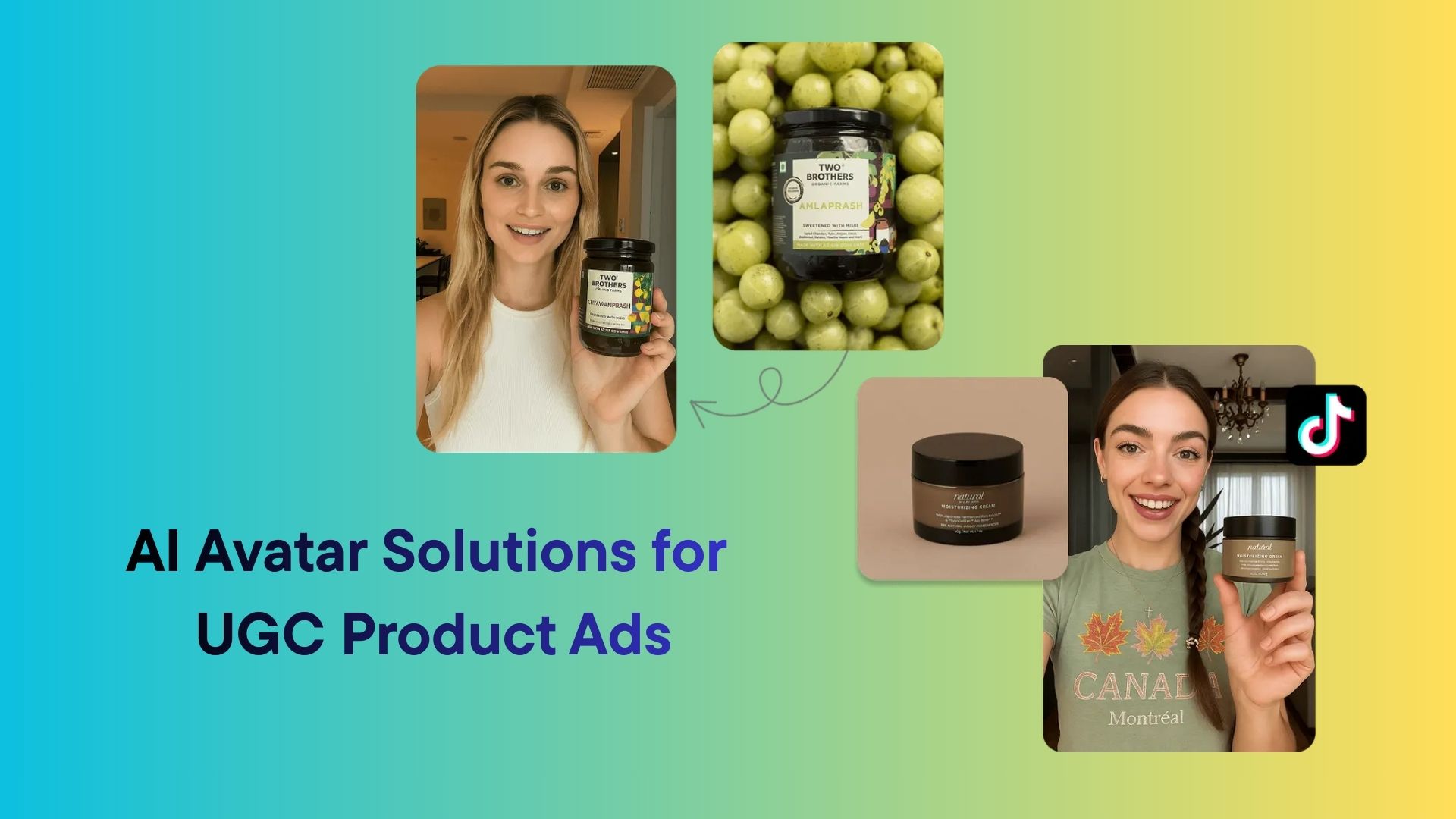







UGC-style ads dominate modern e-commerce because they feel real, relatable, and native to platforms like TikTok, Instagram, and Meta. But producing creator-led content consistently can be costly and time-consuming. That’s where the UGC ads solution with AI avatars offers a more innovative approach.
These tools enable brands to create authentic, creator-like videos at scale without relying on influencers or shoots. In this guide, you’ll explore why AI avatars are rising, what features matter, the top seven tools to use, and a practical workflow to build high-performing, scalable UGC ads that convert.
Top AI Avatar Platforms for UGC Product Ads
Here are some AI avatar platforms for UGC product ads.
1. Tagshop AI
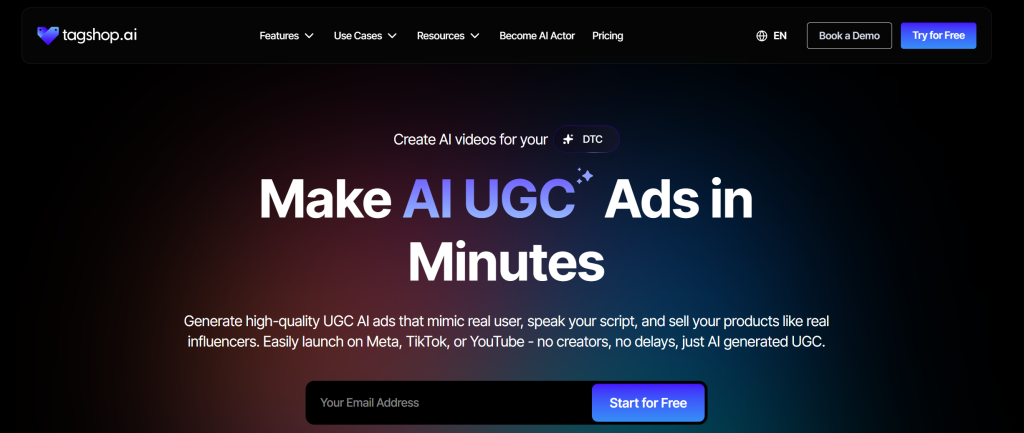
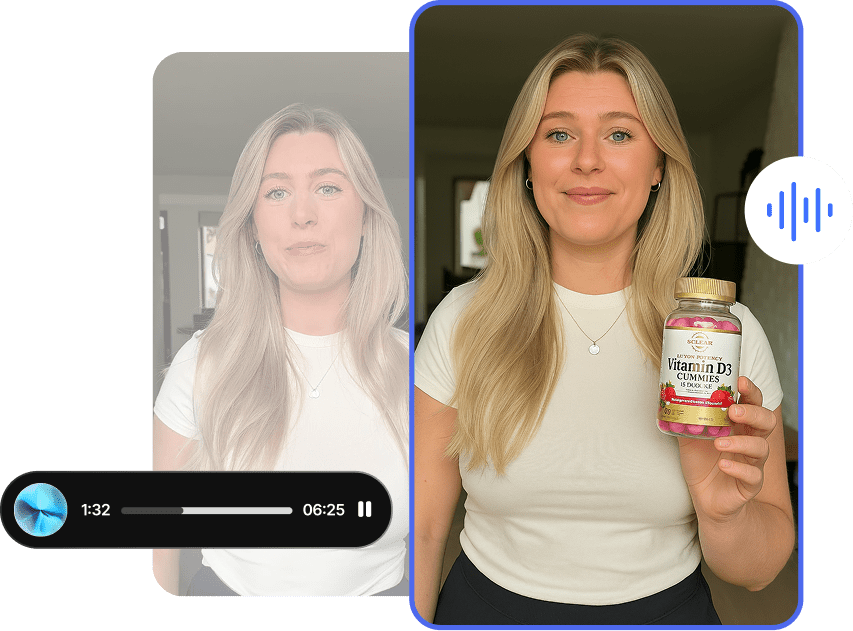
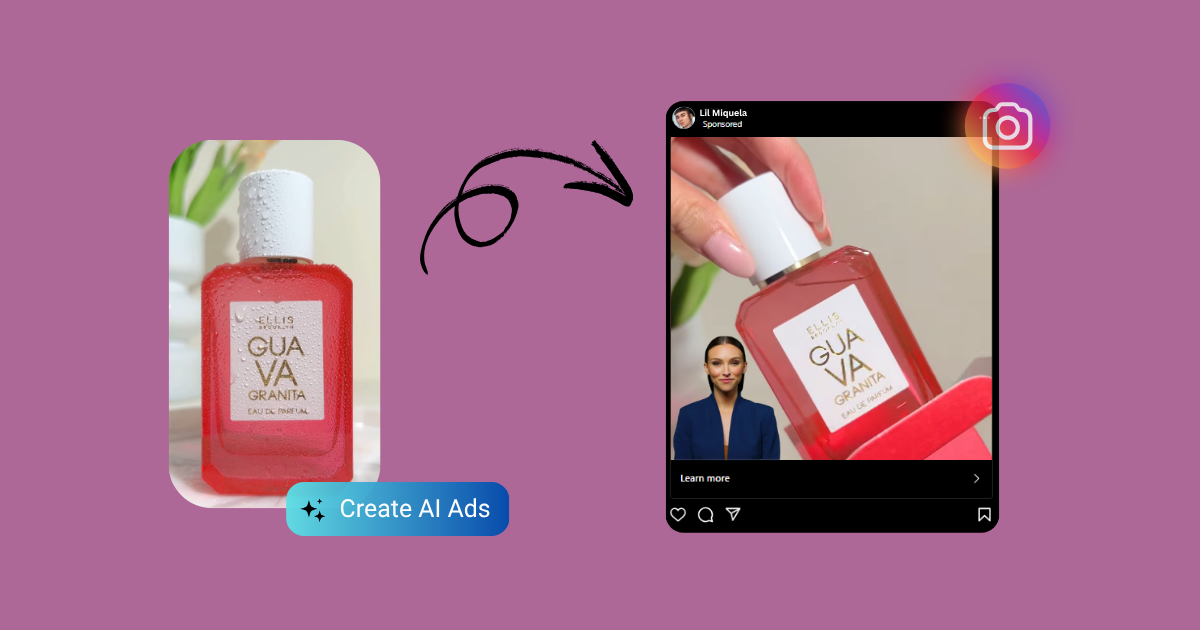
Tagshop AI is a full-stack UGC ads avatar solution, designed to work with UGC-style ads, product showcases, and AI-generated influencer-style content.
In contrast to regular avatar generators, Tagshop.ai couples AI avatars; thus, it is the best choice for performance-oriented brand creatives.
Key Features
- AI Twin Generator: Create an avatar of yourself or your content creator.
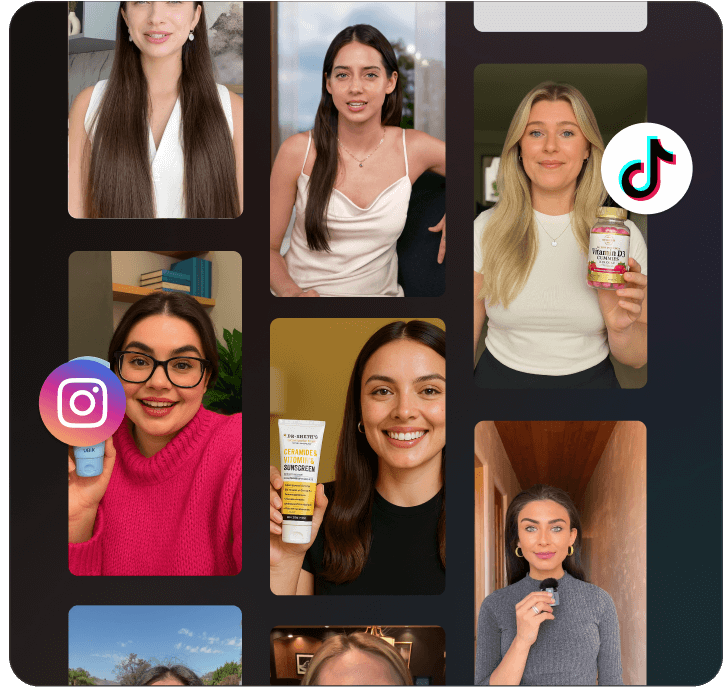
- Custom Avatar Creation: Generate avatars that reflect brand identity, ethnicity, age, and vibe.
- Photo to Avatar: Use a photo that is converted into an avatar to speak for testimonials.
- URL to Video: Insert a product URL; the platform retrieves product visuals & prepares a script.
- AI Video Ads: Create TikTok/IG-style ads with hooks, transitions, and product frames.
- UGC-style Ad Templates: Talking-head, demo, review, and script-driven formats.
- Voice cloning: Follow your creator’s voice to maintain brand consistency.
Pros
- The most significant number of different avatar types and skin tones
- Allows personalized product ads
- Perfect for creating a large number of ads
- Very easy for beginners
Cons
- Some feature upgrades can only be accessed from the higher plans
Pricing: Paid plans start at $29 per month
2. Synthesia
Synthesia is another good option to have UGC avatar solutions, which helps professionals create studio-quality avatars. These are used widely in training, corporate communication, and education. Although their avatars are not explicitly created for UGC, they are at a very high completion level.
Key Features
- More than 100 premium-quality avatars
- Creation of a unique avatar
- Voice in any language
- Script to video with a timeline editor
- Transition and template for the background
Pros
- Avatars are extremely polished
- Very accurate lip synchronization
- Perfect for tutorial or explainer ads
Cons
- UGC-style raw videos might not fit with their “corporate” nature
- Fewer variations of casual creator-style avatars
Pricing: Starting from $16.59 per month.
3. DeepBrain AI (AI Studios)

DeepBrain is another UGC product ads solution that provides lifelike AI avatars and simple editing workflows. They are perfect for brands seeking natural-looking presenters.
Key Features
- Realistic avatars with detailed facial expressions
- Animation driven by speech
- Brand asset integration
- Multiple language options
- Custom avatars available
Pros
- Movements are very natural
- Great for testimonial-style ads
- Nice UI for teams
Cons
- Compared to Tagshop.ai, there is less customization
- Avatars are more professional than casual
Pricing: Plan starts at $24 per month.
4. Colossyan

Colossyan is a great AI avatar solution that is primarily focused on UGC product ads. With minimal effort, users can create a video in minutes, even when time is limited.
Key Features
- A variety of avatars with the ability to change the clothes of the selected one
- Multi-character stories
- Automatic translation of a script
- Fast rendering engine
Pros
- Output is high-speed
- Very good to A/B test multiple scenarios of scripts
- Characters can make gestures and have an emotional tone in their speech
Cons
- Cannot be used for demo visuals of the product
Pricing: Plan starts at $14 per month.
5. D‑ID Creative Studio

D-ID is a creative studio and UGC product video solution provider, developing a platform that generates talking avatars from a single photo, with smooth movement and expressive delivery. It is ideal for brands seeking a user-generated content-style approach to testimonials that is personal and unique.
Key Features
- AI Video Generation
- Creating a video avatar from a photo
- Very close-to-natural lip-sync
- Voice and style choices
- API to facilitate automation
- Expression presets
Pros
- Extremely customizable
- Every brand gets a unique look of an avatar
- Perfect for testimonial-style content
Cons
- Lack of full-body avatars
- Product demos have to be edited manually
Pricing: Paid plan starts at $4 per month.
Must Read: Top D-ID AI Alternatives and Competitors for AI Videos
6. Jogg AI

Jogg AI is an AI video generator tool that is designed for performance marketers who desire TikTok-style, visually attractive, scroll-stopping ads. The primary user of this tool is a creator who babbles, grabs the viewer’s attention immediately, and is full of energy. Thus, it is a perfect fit for contemporary DTC ads.
Key Features
- Text to Video Maker
- High-retention avatar delivery
- Multiple creator personalities
- Auto-subtitles
- Social-ready export sizes
Pros
- Perfect for short-form TikTok ads
- Voiceovers that sound natural
- Designed for DTC brands
Cons
- The library of avatars is smaller
- Limited deep editing
Pricing: Paid plan starts at $24 per month.
Must Read: Best Jogg AI Alternatives for AI Videos
7. Icon AI

Icon AI is another AI video tool that helps users create simple talking-head avatar videos without much fuss. It works well for small businesses and creators to produce clean testimonial videos without extensive editing.
Key Features
- Transform a picture into an avatar
- Voice set
- Text-to-video editor
- Simple templates
Pros
- Extremely easy for a beginner to figure out
- Great format for testimonials
- Low price
Cons
- The avatars can’t show as much
- Not many advanced features to choose from
Pricing: Starting from $39/month.
Check out the best Icon AI alternatives and competitors.
What To Watch Out For While Using UGC Product Ads
Here is what to watch for when using UGC product ads.
1. Too-polished = less trust
The excellently produced faces and studio-perfect delivery may be easily perceived as an ad, while social feeds reward the opposite. If authenticity is your goal, select avatars and voice styles that are less polished: small pauses, informal phrasing, and natural facial micro-movements.
2. One-size avatars limit relatability.
If each advertisement uses the same faceless, generic tone or voice, the audience will soon lose connection. You can alter age, ethnicity, hairstyle, and clothes to suit different target market segments. Minor changes give the impression that there are several real creators. You can also opt for a tool that offers a range of AI avatars, such as Tagshop AI
3. Audio and lip-sync are fragile conversion points
Even a slight difference between the audio and the mouth movement can make the whole thing unbelievable. Always preview your work on the device and check the speech speed, both fast and slow. If lip-sync is failing, a slightly slower read, a different voice model, or a re-recording of the script with clearer punctuation may help.
4. Not every product fits talking-heads
Some products require a demonstration of how they are handled (skincare texture, clasp mechanics, assembly). In these cases, the avatars’ talking heads can be combined with real product inserts, short live-action clips, or close-up product shots layered over the avatar footage.
5. Costs can balloon with volume & customization
Frequent campaigns, custom avatars, or voice cloning can increase your expenses. Create a cost model: cost-per-video × number of variations × campaign duration.
Standard versions should be automated, and bespoke avatars should be reserved for high-value funnels.
6. Overuse Reduces Impact
If the same avatar is used from week to week, the ad’s impact will gradually diminish. By rotating avatars, updating hooks, or changing on-screen overlays every 7–14 days, you will keep the content fresh and engaging for the audience.
Read More: How to Convert a Photo into an AI Avatar
Workflow: How to Use AI Avatar Tools for a UGC Product-Ad Campaign
Here is how to use AI avatar tools for UGC product ad campaigns.
1. Define Your Target Audience and Platform
Decide where the ad will run. TikTok needs instant hooks; Instagram Stories can slow down a beat for a swipe CTA; Meta feeds reward clarity and captions. For a different platform, you would require a personalized agenda. Document audience age, location, and primary language.
2. Pick the Right Tool For The Brief
Match tools to tasks by their strengths: if you need quick iterations, use Colossyan or Jogg; if you want to automate e-commerce processes, use Tagshop.ai; if you need hyper-realistic testimonials, go for DeepBrain or D-ID.
3. Write a UGC-style micro-script (15–30s template)
Here is how you can write a UGC micro script.
- Hook (0–3s): bold, specific, curiosity or problem.
- Problem (3–7s): make it relatable.
- Product + benefit (7–18s): show solution, name one clear benefit.
- Social proof (18–23s): “I used X and…” or metric.
- CTA (23–30s): clear next step (shop, learn, swipe).
Example hook: “Stopped carrying heavy power banks? This tiny charger changed my commute.”
(Short, specific, curiosity-driven.)
4. Feed assets into the tool
Put up product photos, 6–8 short demo clips, logo files, and the background image you want. If the tool supports URL-to-video, use it to automatically import the product information, but remember to review and edit the generated script.
5. Choose avatar + voice + framing
Select an avatar that represents the persona. TikTok/Reels would be well-suited to vertical framing; 9:16 with safe-top/bottom margins can accommodate captions and CTA overlays.
6. Generate, review, iterate fast
Check the generated content by looking at it on the phone as well as on a desktop. Checking should focus on the following: do the lips match the speech, are the person’s eye movements natural, is the pace appropriate, and are the product shots properly framed? Make no more than two rounds of adjustments before creating variations.
7. Add captions, overlays, and product inserts
Captions or subtitles are a significant factor in increased viewing time. Just put one or two on-screen product callouts (price, one-liner benefit, logo). For demos, insert the real footage in between the avatar lines.
8. Export Variants for A/B Tests
At a minimum, three versions to be created:
- V1: Original hook + avatar A
- V2: Alternate hook + avatar A
- V3: Same hook + avatar B (different persona)
9. Launch, measure, and iterate
Monitor the various components of your AI video. For example, you can start with CTR, view-through rate (VTR), cost per click/conversion, and add-to-cart rate. Use the hook and persona combination of the highest performing creative to expand.
The Final Note
There’s no one-size-fits-all tool for a business; the best AI avatar tool depends on your brand size, budget, content volume, and target platform. All you can do is experiment with the tools listed. For many DTC and e-commerce brands, especially those with limited budgets or creative resources, AI avatars make UGC-style ads accessible, fast, and scalable.
Frequently Asked Questions
Realistic avatars, accurate lip-sync, easy script-to-video workflow, social-ready formats, product integration options, multilingual voices, and pricing that supports frequent content testing are the most essential features for effective UGC ads.
Avatars should feel natural and relatable, not overly polished. Subtle expressions, clear lip sync, and human-like pacing make UGC believable while still maintaining the speed and convenience of AI-generated content.
Tools like Tagshop AI work best because they offer casual creator-style avatars, quick editing workflows, and vertical videos optimized for TikTok and Instagram engagement.
Brands can create testimonials, problem-solving videos, unboxing videos, narrations, review-style talking head ads, feature explainers, comparison videos, and short TikTok hooks using AI avatars for consistent and scalable creative output.
Run the same script across platforms and compare expressions, eye movement, lip-sync accuracy, pacing, and emotional delivery. Viewing on mobile helps reveal which avatar feels most natural and believable.
Check monthly cost, export limits, cost per video, custom avatar fees, language options, and scalability. Choose pricing that supports A/B testing without incurring excessive production costs.
DeepBrain AI and Synthesia offer the strongest realism and lip-sync precision, while Tagshop AI delivers excellent expressions for UGC-style, conversational short-form ads across social platforms.
It is essential for brands targeting multiple areas. Being multilingual helps brands keep the same message across markets, lowers localization costs, and increases the effectiveness of region-specific ad campaigns.
AI avatars offer endless variations, rapid production, cost-effective marketing, and consistent communication. Brands can test several hooks and scripts in a very short period, reducing creator dependency and accelerating campaign optimization.
The closest influencer-like avatars are with Tagshop AI and D-ID. Tagshop’s AI Twin simulates the real creators, and D-ID can convert any photo into a highly personalized speaking avatar.
Several solutions facilitate the use of overlays, backgrounds, or cutaway inserts. For instance, Tagshop AI cannot only automatically fetch images via URL but also create shoppable, product-focused UGC-style videos.
Different hooks, avatars, tones, and CTAs can be employed to generate variations. You can test them simultaneously and use watch time, CTR, and conversion rate metrics to determine the creative combination that delivers the best results.
The list includes beauty, skincare, wellness, supplements, tech accessories, education, coaching, home improvement, and finance. Any industry that needs testimonials, explanations, or review-style videos can use AI avatars.
AI avatars are much quicker and less expensive, capable of generating an infinite number of variations in no time. Human creators can provide the emotional depth and lifestyle context; however, AI is better suited to scalable, script-driven, performance-driven ads.
Written by:

Wagisha Adishree is an AI-driven SEO content writer who transforms data, algorithms, and marketing insights into high-impact narratives. She combines human creativity with AI-powered strategies to create content that ranks, converts, and connects. Naturally curious and sharp-witted, she enjoys exploring AI newsletters, decoding Pinterest trend signals, and drawing inspiration from football culture.
 Add Tagshop.ai as a preferred source in Google Search





 Introducing

 Wan 3.0 is now live on Tagshop AI