How AI Is Changing Video Marketing Forever: Statistics That Show the Future
Video marketing used to be all about big crews, studio lights, and waiting weeks for one ad that might work. Brands shelled out thousands for shoots and edits, hoping the final clip would pay off. Over the last decade, short-form platforms exploded, and attention spans crashed. Now every brand needs dozens of fresh videos weekly just to stay in the feed.
Automation and artificial intelligence flipped the game. Tools now write scripts, animate avatars, add voices, and cut full clips in minutes. No crews, no revisions, no delays.
Brands shift from traditional production to AI Video Ads because the old way can’t keep up. AI gives unlimited content at a fraction of the cost, with faster testing and better performance. Marketers finally control creative without the hassle.
What Is AI Video Marketing?
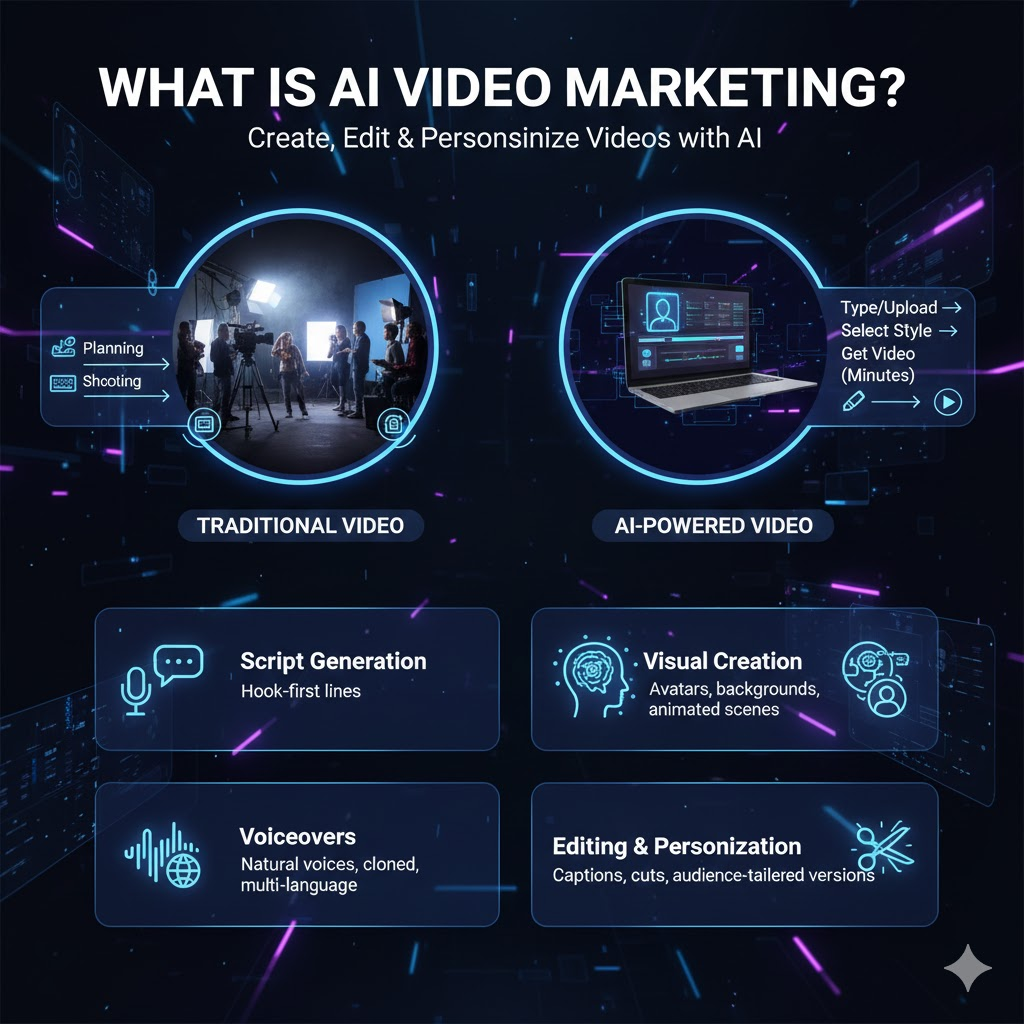
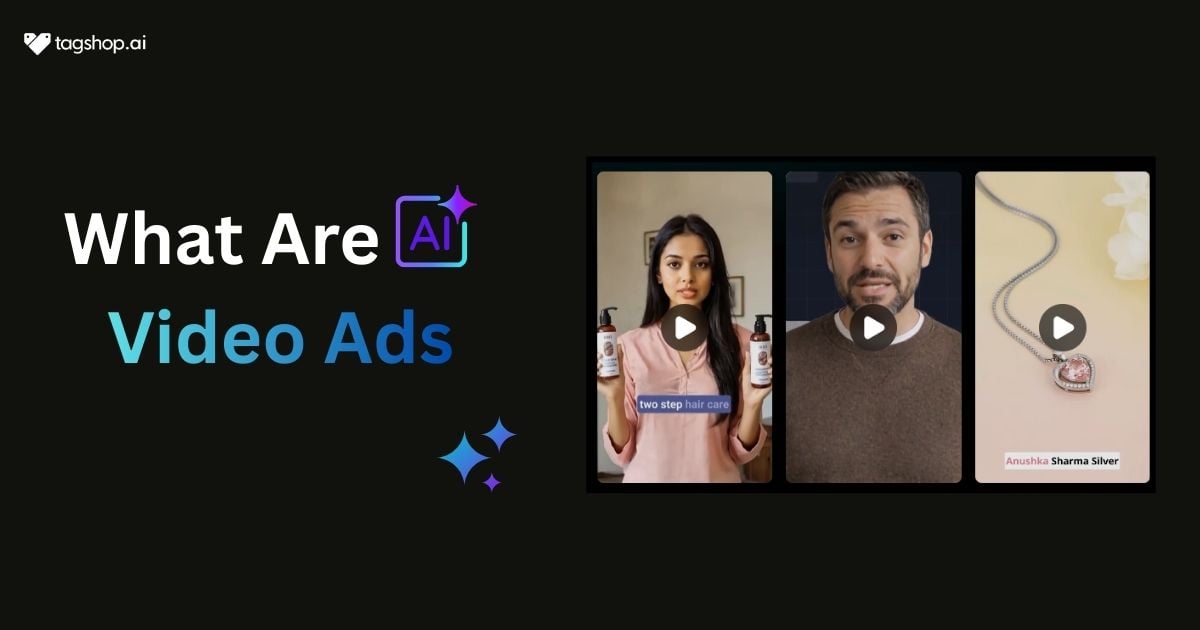
AI video marketing uses artificial intelligence to create, edit, and personalize videos for ads, content, or campaigns. Brands feed a tool a script, product details, or a photo, and the AI builds full clips with talking avatars, captions, music, and effects – all without cameras or crews.
Traditional video creation needs planning, shooting, actors, lighting, and long editing sessions. AI-powered creation skips most of that. You type or upload, select a style, and get ready videos in minutes.
Where AI is used today:
- Script generation – AI writes hook-first lines that grab attention fast.
- Visual creation – avatars, backgrounds, product overlays, or animated scenes built from text.
- Voiceovers – natural-sounding voices, cloned from your own, or in any accent/language.
- Video editing and personalization – auto-captions, cuts, music sync, and versions tailored to different audiences.
Key Statistics That Prove AI Is Changing Video Marketing Forever
The data shows AI is transforming video marketing from slow, expensive production to fast, scalable creation. Here are the top stats shaping 2025.
Growth rate of AI adoption in marketing
- The AI marketing market is expected to reach $47 billion in 2025 (Video Marketing Stats).
- 88% of marketers use AI daily (SurveyMonkey).
- Gartner predicts 80%+ enterprises adopt generative AI by 2026. Adoption surges as tools prove ROI.
% of marketers using AI for video content
- 54% of content marketers use AI to create or edit videos .
- 69% want to learn AI video skills.
Increase in engagement with AI-generated videos
- AI videos boost engagement 58% vs non-AI (Zebracat).
- Personalized AI lifts watch time 60% (memories.ai).
- AI captions raise retention 65%.(Zebracat).
Reduction in video production costs using AI
- AI cuts costs 50–80%.
- Virtual production drops expenses 70–90%.
ROI improvements using AI Video Ads
- AI campaigns deliver 20–40% higher ROI.
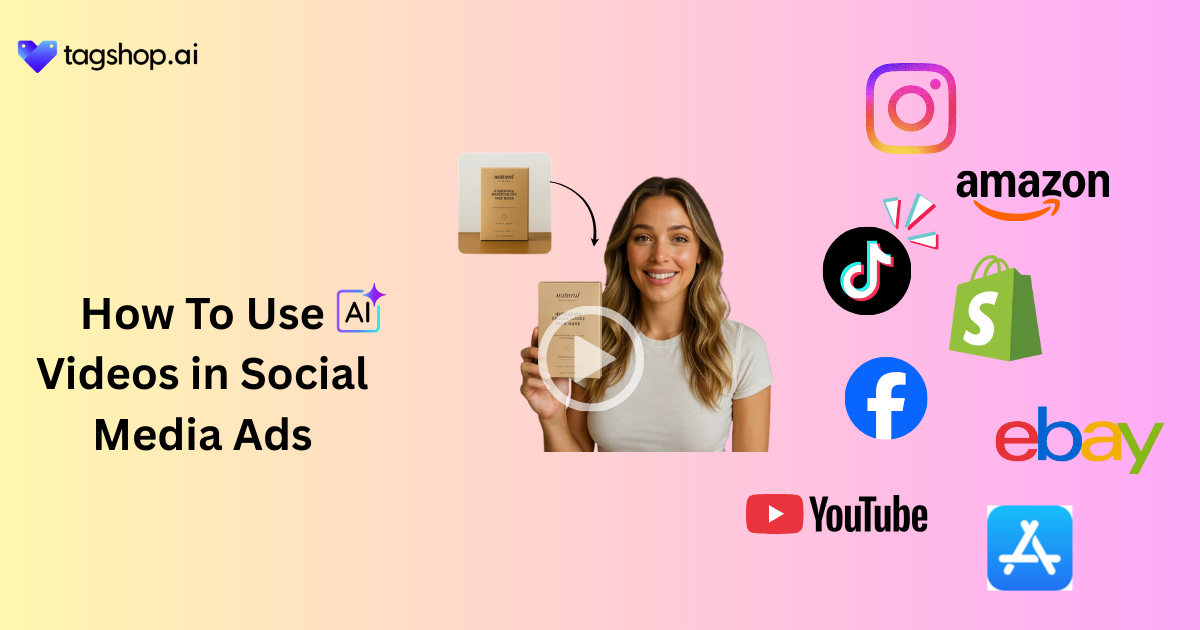
Must Read: How To Use AI Videos in Social Media Ads
How AI Is Transforming Every Stage of the Video Marketing Funnel
Every sale has a funnel process, video marketing has its own funnels, and here is how AI is enhancing them.
1. Awareness Stage
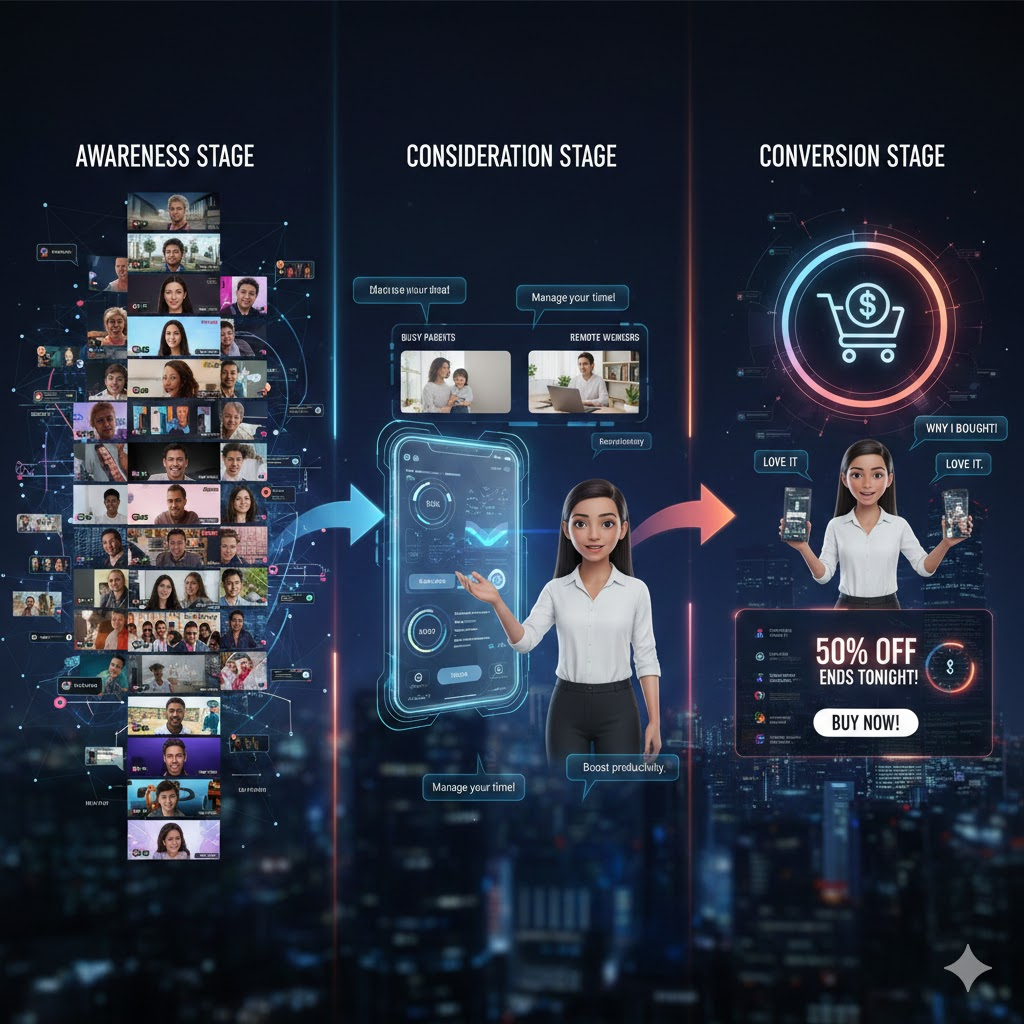
At the top of the funnel, the goal is pure reach and brand recall. Brands need lots of short, eye-catching videos that introduce the product without hard selling. AI-generated videos make this easy. One base template becomes dozens of variations with different hooks, backgrounds, or music. Faster content creation for reach means posting daily on TikTok, Reels, and YouTube Shorts instead of once a month.
AI lets marketers flood the algorithm with fresh clips, hitting more viewers while the trend is hot. No more waiting weeks for a single shoot. Brands build awareness at scale, keeping the funnel top full and feeding lower stages with warm traffic ready to engage deeper.
2. Consideration Stage
Here, viewers know the brand and want to learn more. Product demos and explainers using AI shine because the avatar opens the actual app or shows the item in action, walking through features in plain language. No jargon, no overwhelm – just clear value. Personalized video messaging takes it further: AI swaps scripts based on viewer data, addressing specific pain points like “busy parents” or “remote workers.”
Brands create targeted versions without new shoots. This middle stage turns curiosity into interest, keeping prospects watching longer and moving them closer to purchase without feeling sold to.
3. Conversion Stage
The bottom of the funnel is where money is made. Testimonial-style AI videos work magic – avatars act like happy customers sharing “why I bought” stories with genuine excitement. Retargeting and offer-based AI Video Ads hit warm audiences hard: “Still thinking about this? 50% off ends tonight.”
Add urgency timers, discount flashes, and strong CTAs. Brands test dozens of offer variations instantly, finding the one that closes deals. AI keeps creatives fresh so ads don’t fatigue. Conversion lifts because the message feels personal and timely, turning watchers into buyers right when they’re ready.
Cost, Speed & Scale: Why AI Is Replacing Traditional Video Production
1. Cost comparison: production teams vs AI tools
Traditional video needs crews, studios, actors, editors – costs pile up fast to thousands per clip. Brands pay for travel, revisions, and usage rights. AI tools run on subscriptions or low per-video pricing, often under $100/month for unlimited output.
No hidden fees, no overages. Brands cut expenses dramatically and redirect savings to media spend or testing. The gap is huge – one human shot equals months of AI generation.
2. Speed comparison: weeks vs minutes
Human production takes weeks: planning, shooting, editing, and revisions. One change means another round. AI generates full clips in minutes from a script or link.
Brands launch same-day instead of next month. React to video marketing trends before they die. No waiting for creator availability or editor schedules. Speed turns good ideas into live campaigns instantly.
3. Scale comparison: limited output vs unlimited AI videos
Human teams max at a few clips weekly without burning budget. AI scales to hundreds daily. Test 50 hooks, localize for 10 countries, cover every product – all possible. Brands flood platforms with fresh content, keeping algorithms happy and audiences engaged. Volume becomes the new advantage.
4. Why this matters for startups, agencies, and enterprises
Startups get pro-level video on tiny budgets. Agencies scale for dozens of clients without hiring armies. Enterprises maintain global consistency without regional shoots. Every size brand accesses what used to be luxury production. AI levels the field and lets smaller players compete with giants.
How Different Industries Are Using AI Video Marketing
AI is not only a trend now, but it has now transformed into an integral part of marketing campaigns for different industries. Here is how they are using it.
1. E-commerce
E-commerce brands use AI to create product videos and UGC-style ads that look like real customer reviews. One photo or link turns into dozens of unboxing, try-on, or “how I use this” clips. Brands test variations fast, show items in lifestyle settings, and run Reels or TikTok video ads. This keeps catalogs fresh without endless shoots.
2. SaaS
SaaS companies rely on explainer and feature walkthrough videos. AI avatars open the dashboard, click through features, and explain benefits in plain language. Brands create personalized demos for different user roles or pain points. Consistent tone and on-brand visuals build trust faster than screen recordings alone.
3. Education
Education platforms use AI-powered learning videos with consistent teachers across courses. Avatars deliver lessons, quizzes, or recaps in any language. Brands scale content for thousands of students without hiring new instructors. Interactive elements like pauses for questions make learning feel personal.
4. Real estate
Real estate agents create virtual tours and listings with AI avatars narrating walkthroughs. Empty properties get staged digitally, narrated in local accents. Brands send personalized video tours to leads, highlighting nearby schools or amenities. This replaces expensive drone shoots and keeps listings engaging.
5. Healthcare & professionals
Healthcare and professional services use trust-based educational videos. AI avatars explain procedures, wellness tips, or legal advice in calm, authoritative tones. Brands build credibility with consistent messaging across patient education or client onboarding, supporting broader patient engagement strategies. Sensitive topics get handled professionally without on-camera discomfort.
6. Event Marketing & Conferences
Event organizers and exhibitors are using AI video marketing to maximize impact. Before an event, personalized video invitations can be sent to target attendees based on events data from past years. During the event, AI can quickly generate highlight reels from sessions or booth interactions. Afterward, events data helps create tailored follow-up videos for different attendee segments, turning one-time contacts into lasting leads.
The Role of Personalization & Automation in the Future of Video Marketing
1. Audience-based video personalization
Future video ads will change based on who’s watching. AI swaps scripts, avatars, or visuals for different segments – busy parents see family-focused clips, professionals get efficiency angles. Brands deliver the right message to the right person without new shoots. This lifts relevance and conversion.
2. Behavior-triggered AI Video Ads
Ads launch when viewers take action – abandon cart, watch 50 % of a demo, or browse a category. AI generates personalized follow-ups instantly: “Still thinking about this shirt?” with the exact item. Brands close sales faster with timely, relevant videos.
3. Location-based messaging
AI detects viewer location and adjusts content – city names, weather references, local events. A retail brand shows “perfect for rainy Seattle days” or “beat the Miami heat.” This makes ads feel made for the viewer, boosting engagement in regional campaigns.
4. Automated creative testing and optimization
AI runs dozens of variations, tracks early performance, kills losers, and scales winners automatically. No manual A/B setup. Brands optimize hooks, voices, and CTAs in real time. This constant loop finds high-performers faster than any human team could.
Why Tagshop AI Represents the Future of AI Video Marketing
Tagshop AI is built for brands that care about performance, not just pretty videos. It focuses on AI Video Ads that actually convert – quick, UGC-style clips optimized for TikTok, Reels, and Meta feeds. Marketers get tools that prioritize testing, scaling, and results over endless manual tweaks.
1. Built for performance-focused AI Video Ads
Every feature targets ad metrics: hook testing, fast renders, platform-ready exports. Brands launch campaigns that hit ROAS goals instead of just looking good.
2. Photo-to-video, text-to-video, URL-to-video
One selfie becomes an AI digital twin. Type a script for instant clips. Paste a product URL and get ready ads with the URL to video generator. No complicated workflows – just fast creation.
3. Multi-language support
Run the same ad in 140+ languages with local accents. Brands expand globally without new shoots or voice actors. Subtitles and dubs sync perfectly.
4. Hyper-realistic AI creators
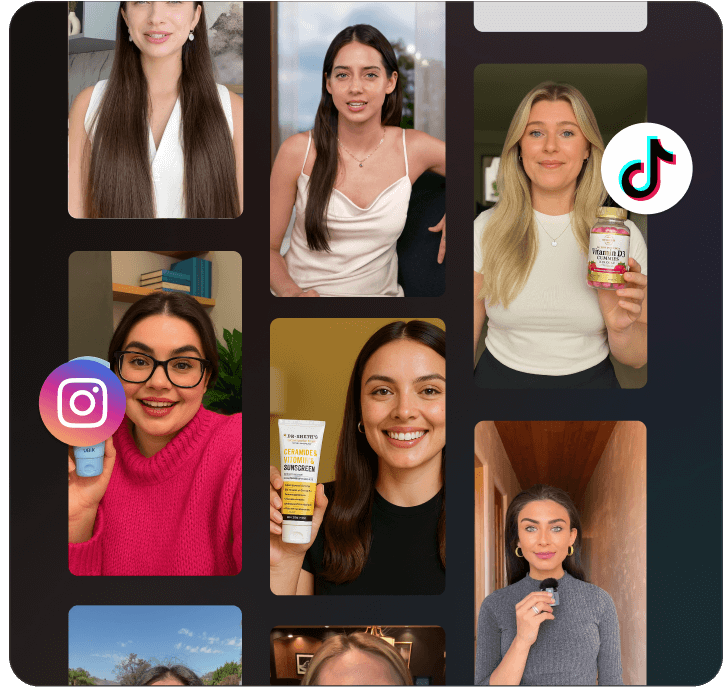
Avatars look and move like real people – natural blinks, gestures, expressions. Choose a casual hoodie for UGC or a professional one for explainers. Viewers stay watching because it feels authentic.
5. Voice cloning & branding control.
Record 30 seconds to clone your voice forever. Lock in brand colors, fonts, and logo placement. Every video stays on-message without drift.
6. Bulk video generation for scaling
Duplicate one project, swap hooks or voices, export 50 variations in minutes. Brands test what works and scale winners fast without budget blowouts. This helps brands boost video production using AI without increasing time or cost.
Risks, Ethics & Limitations of AI in Video Marketing
AI videos might be the present and future of marketing, but they have some risks and limitations.
1. Transparency and disclosure
Viewers deserve to know when they’re watching AI-generated content. Many platforms already require labeling for synthetic media. Brands that hide AI risk backlash when people feel tricked. Clear disclosure like “created with AI” in captions or disclaimers builds long-term trust instead of short-term gains.
Skipping this can damage reputation if the video spreads and someone calls it out. Responsible marketers lead with honesty to avoid future regulations catching them off guard.
2. Deepfake concerns
AI avatars can look scarily real, raising worries about deepfakes used for misinformation or impersonation. In marketing, a misused avatar could spread false claims about products or people. Brands must draw hard lines – never create videos that could deceive viewers into thinking a real person said something they didn’t. The tech improves fast, so ethical use today prevents bigger problems tomorrow when lines blur even more.
3. Brand trust and compliance
One misleading AI video can undo years of trust-building. If an avatar makes exaggerated claims or appears to endorse without permission, audiences turn against the brand. Compliance with advertising laws, privacy rules, and platform policies is non-negotiable. Brands face fines or bans for violations. Staying transparent and sticking to facts protects reputation and keeps campaigns running smoothly.
4. Responsible AI usage
AI gives power, but with it comes responsibility. Brands should avoid reinforcing biases in avatars or scripts, respect privacy when cloning voices, and never use real people’s likenesses without consent. Set internal guidelines for what’s acceptable. Prioritize human oversight on sensitive topics. Responsible usage means using AI to enhance creativity, not replace integrity.
Read More: AI Video Ads vs Traditional Ads: Which Performs Better
Conclusion
AI isn’t just improving video marketing – it’s completely rewriting the rules. The statistics show massive gains in speed, cost savings, engagement, and ROI. Brands that embrace AI video ads get unlimited fresh content, hyper-personalization, and data-driven performance that traditional production can’t touch. Early adopters pull ahead while others scramble to catch up.
The future is clear: AI will handle most creative work, freeing marketers to focus on strategy. This is your chance, start testing AI tools now.
Written by:

Rohan Singh is an AI-forward content specialist with 5+ years of experience creating creative, trend-led content for digital-first brands. He blends industry insights, AI-powered research, and content intelligence to produce engaging, relevant narratives aligned with evolving marketing trends. Constantly exploring new AI tools, he ensures his work stays innovative, impactful, and built for how audiences consume content today.