What Are AI Video Ads? A Complete Beginner’s Guide







Reading Time: 13 minutes
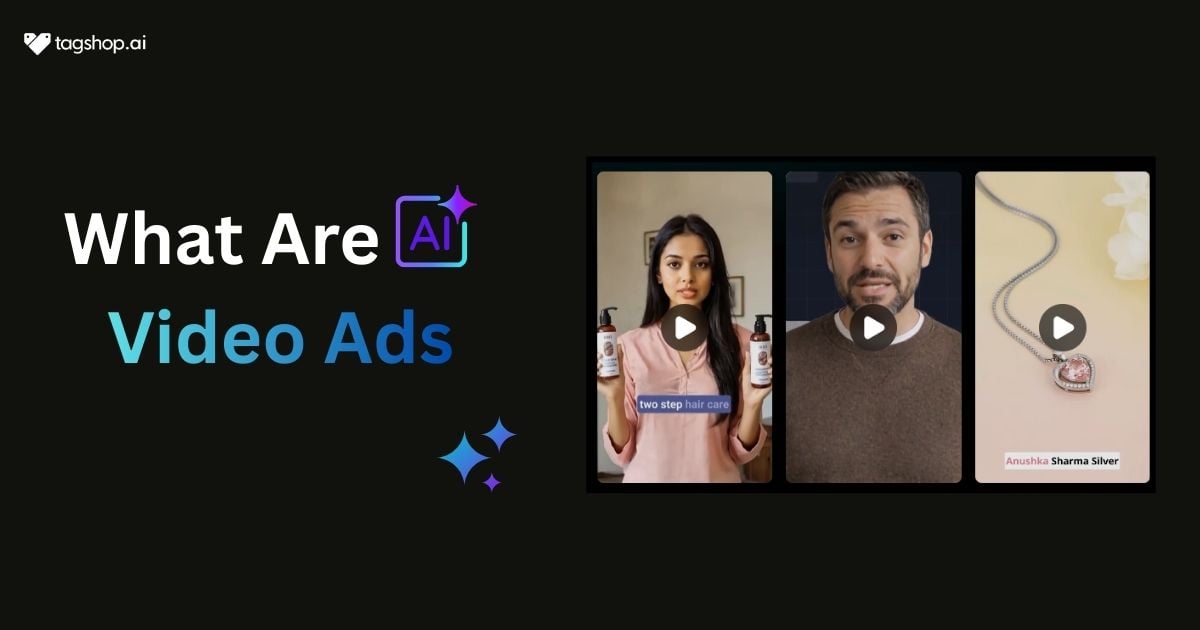
AI video ads are short commercials built by artificial intelligence instead of cameras and crews. You type a script or drop a product link, and the tool spits out a finished 15-second clip with a talking avatar, captions, music, and hooks. No filming, no actors, no editing skills needed. Brands are all over this because regular video ads cost thousands and take weeks, while AI versions cost pennies and finish in minutes. If you’re new to the concept, start with our guide on what AI UGC is and how it differs from traditional content.
The trend is blowing up, and Reddit is full of marketers asking questions like “which AI tool actually works?” and “how do I stop my avatar from looking like a robot?” This guide answers everything real people are searching for right now.
What Are AI Video Ads?
AI video ads are short clips (6–30 seconds) that artificial intelligence builds from scratch. You give the tool a product link, a few bullet points, or a simple script, and it hands back a ready-to-run ad with a talking person, captions, music, and effects. No camera, no studio, no crew.
Key components: AI avatars – digital humans who speak, blink, and gesture like real people. Templates – pre-made layouts for reviews, demos, hooks, or UGC-style phone videos. Automation – the software writes the script, adds subtitles, picks trending sounds, and edits everything together.
How they’re created: Drop a URL or type “show this app fixing messy schedules,” pick an avatar that looks like your customer, and hit generate. Done in under two minutes.
Why do they outperform traditional ads: They feel like real users talking, not brands selling. Viewers trust them more, watch longer, and click harder. One e-commerce brand swapped normal ads for AI versions and cut cost-per-purchase almost in half because people finally stopped scrolling.
Common User Concerns & Insights Regarding AI Video Ads
1. How are marketers using AI video ads to improve engagement and conversions?
From r/AI_UGC_Marketing: Users say AI speeds up testing 20–30 variations a day, boosting ROAS when paired with UGC style. One marketer uses it for brands short on real user content, noting that tools like Tagshop AI turn product images into quick clips. Challenge: Keeping it realistic to avoid generic vibes. Tip: Focus on hooks and A/B the first 3 seconds.
Our take — They’re pumping out 20–50 variations a day instead of 2–3 human shoots a month. Hook testing is stupid fast, so the winning 3-second opener gets found in days, not weeks. Brands run UGC-style AI clips on cold traffic, warm up audiences with “real user” vibes, then retarget with offer-heavy versions.
2. Are people using AI tools for creating video ads in eCommerce?
r/ecommerce users are split – some swear by Runway and Veed for drafts, then CapCut for polish. Tolstoy gets love for premade prompts that make ads feel natural. Frustrations: AI looks soulless without edits. Advice: Use AI for 80% of the work, add a human touch for the last 20% to match brand voice.
Our take — Every single day. Dropshippers, Shopify stores, Amazon sellers – everyone’s doing it. Paste the product link, pick a “girl in bedroom” or “guy on couch” template, and generate 10 clips before breakfast. Best part: zero waiting on creators who ghost after you pay them.
3. Which AI tool has actually helped you in content marketing, especially video?
In r/content_marketing, Tagshop AI and Copyclone.ai shine for conversion copy in ads. Many call most tools overhyped – they speed up bad ideas, not create great ones. Success story: One team cut daily workflow to 30 minutes.
Our take — Tagshop AI, hands down. You drop a URL, and it pulls images, writes a hook, adds captions, picks trending music, and spits out a 15-second TikTok-ready clip in under two minutes.
4. Does anyone make AI video ads work?
r/DigitalMarketing users report 10x CPL drops for clients, but AI often underperforms human UGC due to a lack of connection. Budget $300-500 to test 3-5 creatives for 7-10 days. Overall, AI for testing, humans for scaling.
Our take — Yes, daily. Pure AI UGC hit great ROAS on cold traffic. The trick: make it look like it is made by consumers. Hoodie avatar, cracked screen overlay, big yellow captions, trending sound. If it looks like an ad, it dies.
How AI Video Ads Work
1. Input — Paste a product URL, type a short script, or upload a few screenshots. Some tools only need “make a UGC review for this $29 blender,” and they pull everything themselves.
2. AI Processing — The tool writes a hook-first script, picks a trending sound, chooses an avatar that matches your buyer, adds big yellow captions, and overlays the actual product screen when needed.
3. Rendering — Hit generate and grab coffee. Most clips finish in 20–90 seconds. The AI stitches transitions, syncs lip movement, adds subtle camera shake for that phone-recorded feel.
4. Exporting into ad-friendly formats — One click gives you 9:16 for TikTok/Reels, 1:1 for Facebook feed, 16:9 for YouTube. Watermark-free, perfect bitrate, ready to upload straight to the ads manager.
5. Automation + A/B variations — Change the hook, swap the avatar, flip the background, regenerate. Ten tested versions in the time it used to take to open Premiere. Winners scale, losers die fast.
That’s the entire loop. Ten minutes from blank page to running ad.
Benefits of AI Video Ads
1. Lower production costs — A single human UGC shoot runs $3k–$15k once you pay the creator, photographer, and editor. AI video ads cost pennies per clip. No travel, no studio rental, no retake days.
2. Fast ad creation — From blank page to finished clip takes under ten minutes. AI lets you react to a trending sound the same day it blows up.
3. Unlimited ad variations — Change the hook, avatar age, background, accent, or language in one click. Generate fifty versions before lunch and test every single one live.
4. Higher engagement on TikTok/Meta/YouTube — AI ads mimic the exact style people already watch all day. Brands report 2–5× longer watch time and 3–8× higher CTR versus polished studio spots. The data behind these numbers is significant — see our AI UGC video performance statistics for the full breakdown.
5. Auto-subtitles & auto-resizing — 85% watch muted. AI adds perfect bold captions synced to every word, plus resizes for TikTok, Reels, Facebook, YouTube, and Stories without extra work.
6. No filming required — Zero cameras, zero lighting kits. Bad weather, sick creators, flaky influencers – none of it matters. The avatar never cancels.
Types of AI Video Ads
1. AI Avatar Ads — A lifelike digital person looks straight at the camera and talks like your ideal customer.
2. Social Media UGC-Style Ads — Shaky phone cam, bedroom or couch background, cracked-screen overlay, big yellow captions. Read our full guide to creating UGC-style ads with AI avatars to nail this format.
3. Product Demos — Avatar opens the actual app or holds the physical product, swipes, taps, and shows the exact flow.
4. Sales Videos — Hard-hitting hook → problem → your solution → proof → CTA in 15 seconds flat.
5. Reviews & Testimonials — An avatar acts like a happy customer reading their own 5-star review out loud.
6. URL-to-Video Ads — Paste any product link and the AI pulls images, price, features, writes a hook, picks an avatar, and hands back a finished ad.
Key Features to Look For in an AI Video Ads Generator
Before choosing a platform, compare the top options in our guide to the best AI UGC ad generators. Key features to evaluate:
1. Templates for ads — Proven ad layouts you can fill in without starting from scratch.
2. AI scriptwriter — Hook-first scripts generated from a product URL or brief.
3. UGC mode — One click adds shaky cam, bedroom backgrounds, and big yellow captions.
4. AI avatars + Presenters — Hundreds of digital humans with voice cloning options.
5. Auto subtitles — Bold captions synced to every word automatically.
6. Platform exports — 9:16, 1:1, and 16:9 in one click.
7. Fast rendering — Under 90 seconds per clip.
Best Use Cases for AI Video Ads
1. E-commerce brands — Fresh clips for every SKU without models or photographers.
2. UGC replacement — AI recreates honest-review feel with fresh faces every day.
3. Dropshipping — Paste the supplier link, generate 20 shaky-phone clips, launch same day.
4. Coaches & course creators — 15-second hooks that feel personal without recording yourself.
5. Amazon & Shopify sellers — Listing videos that show the item in real hands.
6. Agencies scaling client ads — Deliver fresh weekly batches for fifty clients from one tool.
7. Real estate marketing — Listings become lifestyle walkthroughs with an AI avatar guide.
8. SaaS product explanations — Complex tools become dead simple via avatar demo.
Step-by-Step: How to Make Your First AI Video Ad with Tagshop AI
1. Sign up to Tagshop AI and choose your creation mode (URL to video is the fastest).
2. Paste your Shopify/Amazon/App link — Tagshop pulls title, images, price, and features automatically.
3. Customize visuals: swap background, add cracked-screen overlay, choose camera shake intensity.
4. Choose avatar or voice: scroll 100+ avatars, pick the one that looks like your buyer.
5. Review auto-generated captions and edit style (yellow box, bottom bar, emoji pops).
6. Add branding: drop your logo in the corner, set brand colors for text and CTA.
7. Export in TikTok/Meta/YouTube format with one click, then launch and A/B test.
Conclusion
AI video ads are no longer the future; they’re the right-now cheat code. A few minutes and a product link now replace weeks of shoots and five-figure creator fees. Brands that wait another year will spend the same money for half the results. Beginners should start today because the tools are easy to use, the costs are pocket-friendly, and the first-mover advantage is massive. Anyone with a laptop can out-create agencies that still book studios. Jump in, test five clips this week, and watch the game change.
Frequently Asked Questions
Yes, 100 %. Run them daily. Just keep the UGC style, and you’re golden – no disclosure needed when it looks like a real user.
They crush traditional ads. Same trust as human UGC, way less skip rate, and you can test 50 hooks instead of one.
That’s literally who they’re built for. Zero editing skills needed – point, click, profit.
The new ones are scary good. Pick the right face and voice, and viewers swear it’s a real person.
AI for speed, scale, and testing. Human for ultra-premium luxury when money is no object. Most brands run 90 % AI, 10 % human.
Laughably cheap. Most tools are $29–$99/month for unlimited clips. One good campaign pays for a year.
Nope. If you can type a sentence and click a mouse, you’re overqualified.
Written by:

Rohan Singh is an AI-forward content specialist with 5+ years of experience creating creative, trend-led content for digital-first brands. He blends industry insights, AI-powered research, and content intelligence to produce engaging, relevant narratives aligned with evolving marketing trends. Constantly exploring new AI tools, he ensures his work stays innovative, impactful, and built for how audiences consume content today.
 Add Tagshop.ai as a preferred source in Google Search




 Introducing

 Wan 3.0 is now live on Tagshop AI