AI Video Ads vs Traditional Ads: Which Performs Better
Every shift in marketing starts quietly, then hits like a truck.
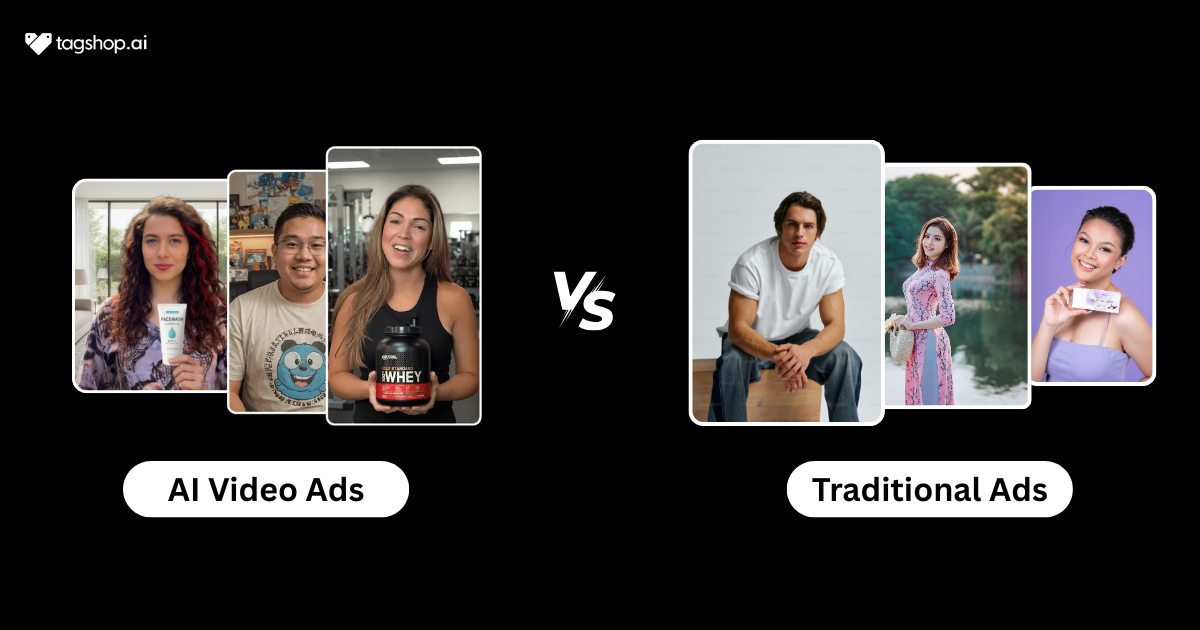
Video ads followed that same pattern. For years, brands trusted studio lights, polished scripts, and long editing cycles. Then AI stepped in. Faster. Cheaper. Ruthlessly efficient.
This guide breaks down what changed, why it matters in 2025–2026, and what marketers can expect next. You’ll see how performance compares across engagement, cost, speed, and ROI, and why the industry is switching lanes faster than anyone predicted.
The Shift From Traditional Ads to AI Video Ads
The trend isn’t subtle anymore. AI moved from a “maybe later” tool to the core engine behind high-volume video advertising. Brands discovered they could make 20 variations in minutes, not weeks. Test everything. Replace weak creatives instantly. Scale campaigns with a few clicks.
This comparison matters because consumer attention is shrinking, content costs are rising, and algorithms are demanding constant freshness. AI doesn’t complain. It just keeps producing.
In 2025–2026, this gap will widen. And every marketer knows it.
This blog breaks down:
- Which format performs better, AI video ads or Traditional ads
- Where the real cost and time differences sit
- How engagement shifts across formats
- What Reddit communities and industry reports are saying
- When traditional storytelling still wins
- How brands should combine both for maximum lift
What Are Traditional Video Ads?
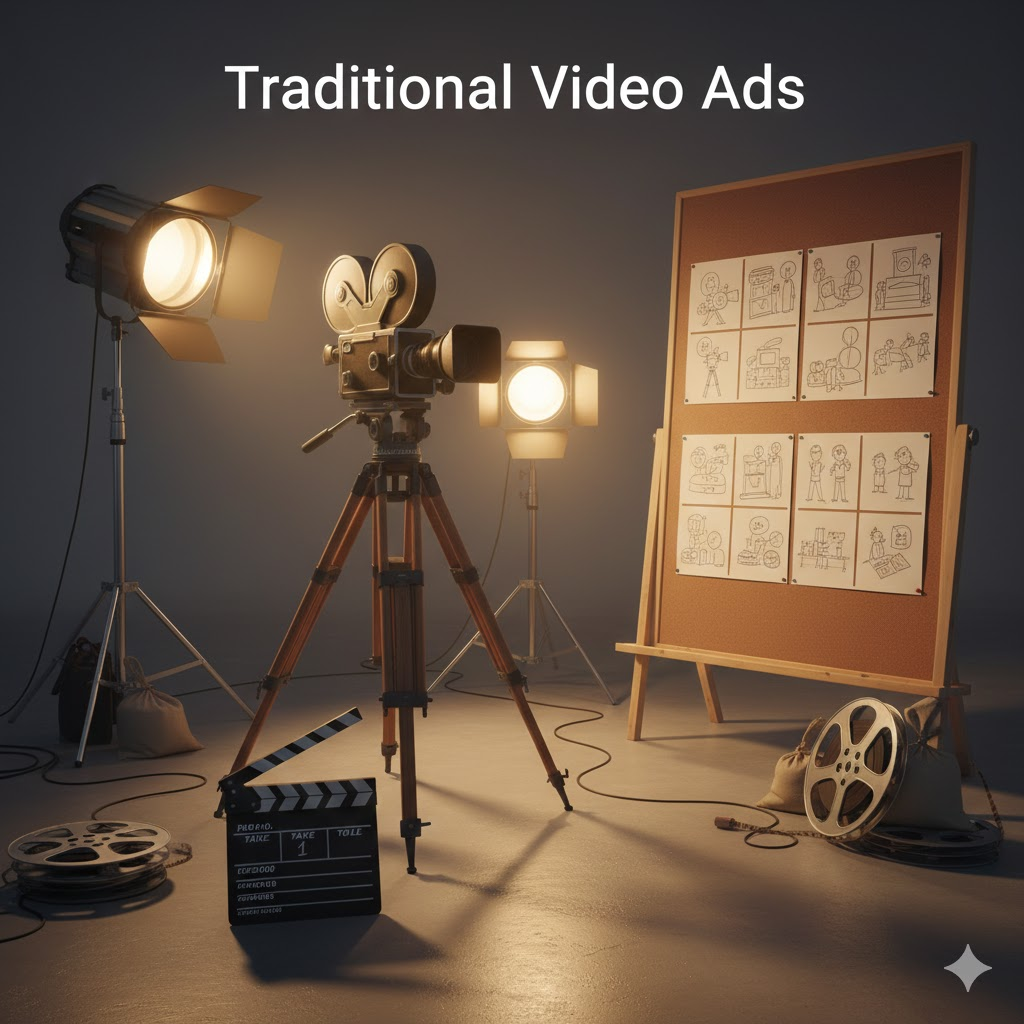
Traditional video ads are the classic format: studio-shot films, TV spots, and polished brand videos. Even influencer shoots fall into this category because they still need cameras, lighting, scripts, retakes, and edits. They’re built by teams, usually over long timelines.
Resources needed:
Actors, filming crew, editors, directors, script teams, post-production, location setups, and approvals. One small change often means re-shooting.
Timeline:
Usually 7 to 30 days, depending on the cope.
Cost breakdown (average):
- Scriptwriting: High
- Filming crew: High
- Editing: High
- Talent: High
- Revisions: Painful
No shortcuts. You pay the premium.
Strengths of Traditional Ads
Traditional ads deliver:
- Deep emotional storytelling
- High authenticity
- Premium brand feel
- Better long-format narrative
No AI template can replace a powerful, well-shot human story when done right.
Read More: Which AI Video Tool Is Best for Creating Product Ads?
What Are AI Video Ads?
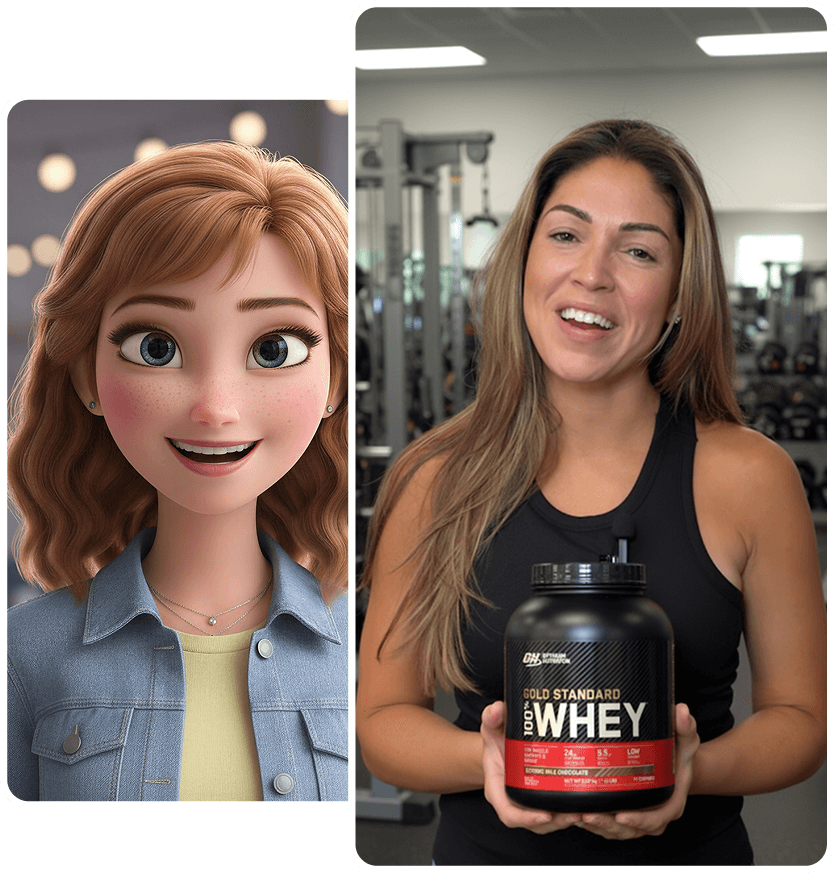
AI video ads are created using AI-powered tools that generate avatars, UGC-style clips, or entire video scenes without a studio. No actors, cameras or location costs required.
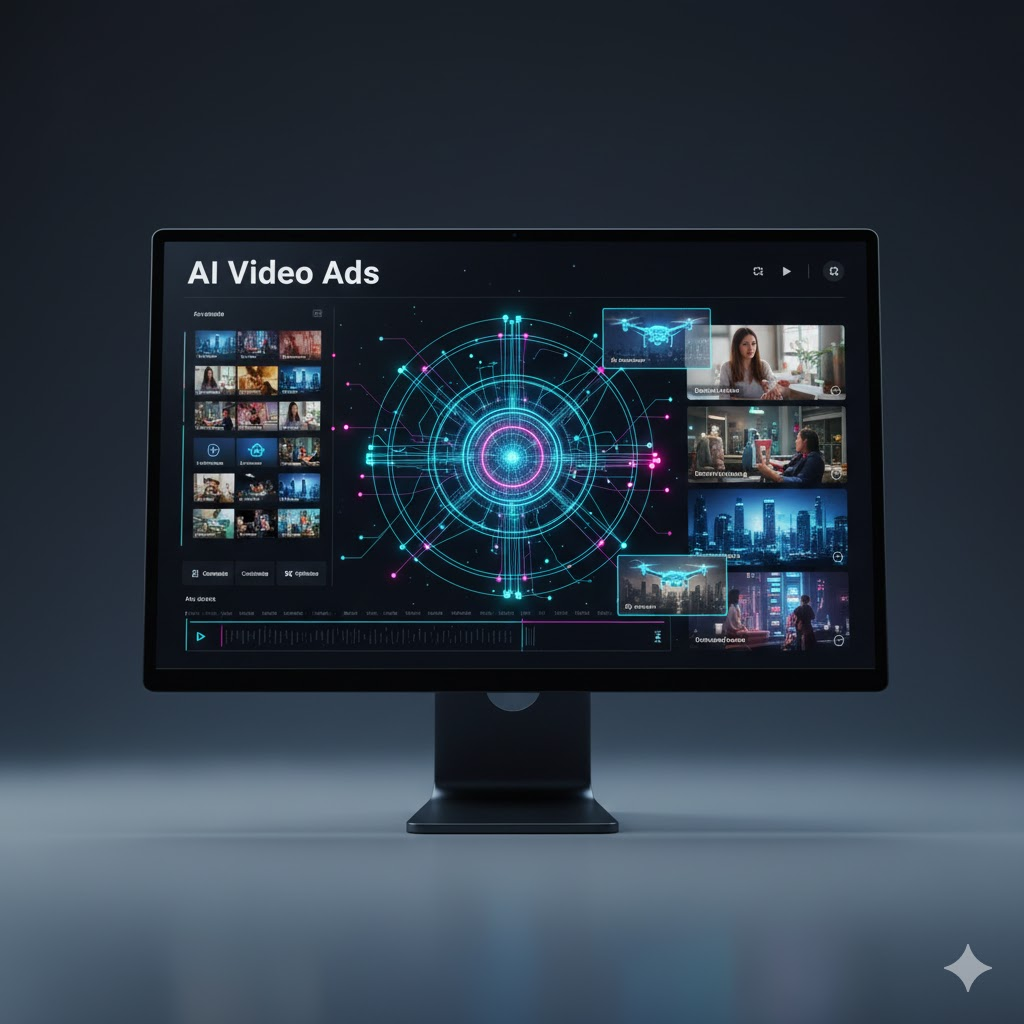
The process is simple:
- Choose an avatar or UGC-style template
- Add script
- Generate voices, captions, b-roll
- Export multiple versions instantly
AI tools handle the heavy lifting. Automated scripts, captions, translations, and resizing make the workflow insanely fast.
Why AI Ads Are Exploding Right Now
- Speed and cost are the headline act.
- Brands can go from idea to finished video in minutes.
- Testing becomes effortless.
- Localization becomes automatic.
- Budgets stretch further.
AI isn’t replacing creativity. It’s removing the slow parts that blocked scale.
Key Differences Between AI Video Ads & Traditional Ads
Here’s how AI video ads and traditional ads differ from each other.
| Feature | Traditional Ads | AI Video Ads |
| Cost | High | Low |
| Production Time | Days–Weeks | Minutes |
| Scalability | Low | High |
| Consistency | Hard to maintain | Very high |
| A/B Testing | Limited | Unlimited |
| Accessibility | Requires team | Anyone can create |
| Personalization | Low | High |
| Distribution Formats | Manual editing | Auto-resizing |
Performance Comparison: Which Performs Better?
Let’s compare AI video ads and traditional video ads on performance metrics –
1. Engagement Rate
- AI video ads often win on engagement because they adapt to audience signals in real time. The creative isn’t locked. If one version loses interest after two seconds, AI tools spin out fresh variations instantly, new color grades, new angles, new voiceovers, new captions. Micro-adjustments that match viewer behavior drive higher retention and repeat engagement.
- Traditional ads don’t have this flexibility. Once a studio-shot video is exported, it stays the same. If engagement dips, you’re stuck with it. No quick fixes. No instant variations. No real-time creative shifts based on audience drops.
2. Conversion Rate
- AI ads dominate conversions because they allow dozens of variations in minutes. You’re not betting on one expensive video; you’re testing multiple angles instantly.
- Traditional ads can convert well, but optimization cycles are painfully slow. By the time a change is made, trends move on.
3. CTR (Click-Through Rate)
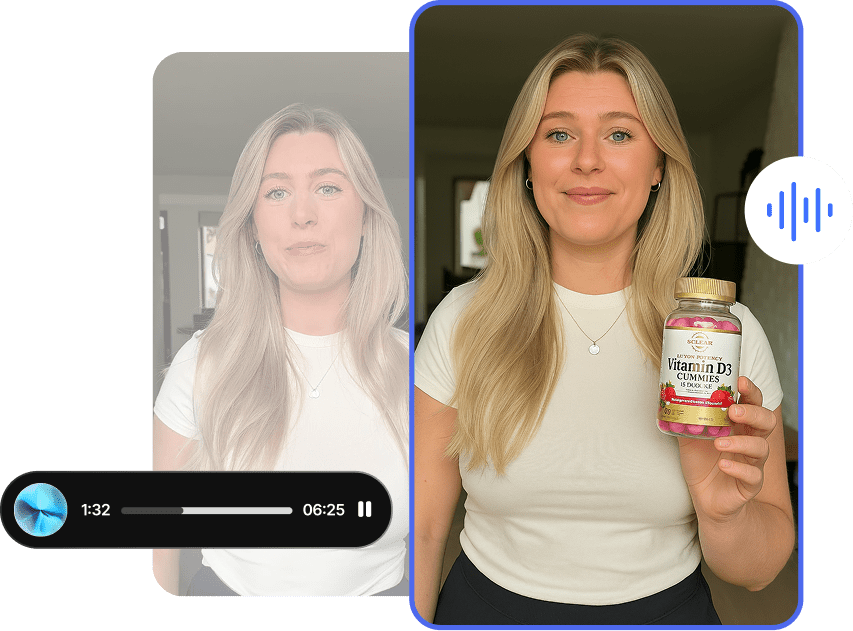
- AI UGC, avatar videos, and raw-style product demos tend to outperform. Social platforms favor relatable content, not cinematic storytelling. This is why AI videos often produce higher CTR, especially with product-first brands.
- Traditional video ads often see lower CTR on social channels because they look “produced.” High-gloss shots, dramatic lighting, and scripted delivery signal that a brand is selling something. That visual polish works well for TV or premium branding, but it doesn’t translate into quick clicks in a crowded feed.
4. Cost Efficiency
- Traditional ads burn through budgets:
- Large teams
- Studio costs
- Long edits
- Talent fees
- AI cuts costs by 80 to 90 percent, depending on complexity. That means more content, more tests, more wins.
5. Scalability
- Traditional ads scale like a brick. Every new variation requires a new shoot or editing cycle.
- AI? Ten, fifty, a hundred variations. No extra time, no extra budget. Scalability alone makes AI unbeatable for performance-driven campaigns.
Reddit Community Insights
Real marketers are talking. And the conversations are brutally honest.
1. AI Ads Outperforming Everything Else
One Reddit user reported 42% higher CTR and almost double the clicks using bizarre AI visuals. A beauty salon ad featuring a hot-air balloon became a top performer. That’s the chaotic creativity AI enables. And platforms reward it.
Source: r/FacebookAds
2. AI Video Generation vs Traditional Editing
Editors say AI helps draft and package ideas faster. They still prefer adding a human layer for tone, polish, and compliance. The winning combo? AI for speed. Humans for refinement.
Source: r/VideoEditors
3. AI Ads Bring 4 Times More Engagement
A shared case study revealed:
- 4x more likes
- 7x more saves
- 2x more comments
TikTok’s algorithm seems to push AI-generated content more aggressively.
Source: r/dropship
4. Why Do People Say AI Ads Are Useless?
Some users believe bias keeps people from dismissing AI ads.
Others argue that cost-effectiveness alone makes them essential for new brands.
The consensus: AI ads deliver results, even if some marketers hesitate to admit it.
Source: r/content_marketing
Industry Data Supporting Performance Shifts
These reports reflect the shift happening industry-wide:
- IAB Advertising Report 2026: AI’s share of digital ad creation is growing rapidly.
- HubSpot Video Marketing Survey: AI-based videos see higher engagement on average.
- Statista Short-Form Usage: Viewers prefer fast, snackable, AI-optimized content.
- Deloitte Future of Advertising: Brands moving toward automated creative workflows.
- Market Research Future Forecast 2026: AI video generation expected to surge in adoption.
The direction is clear. AI is becoming the default for performance-first marketing.
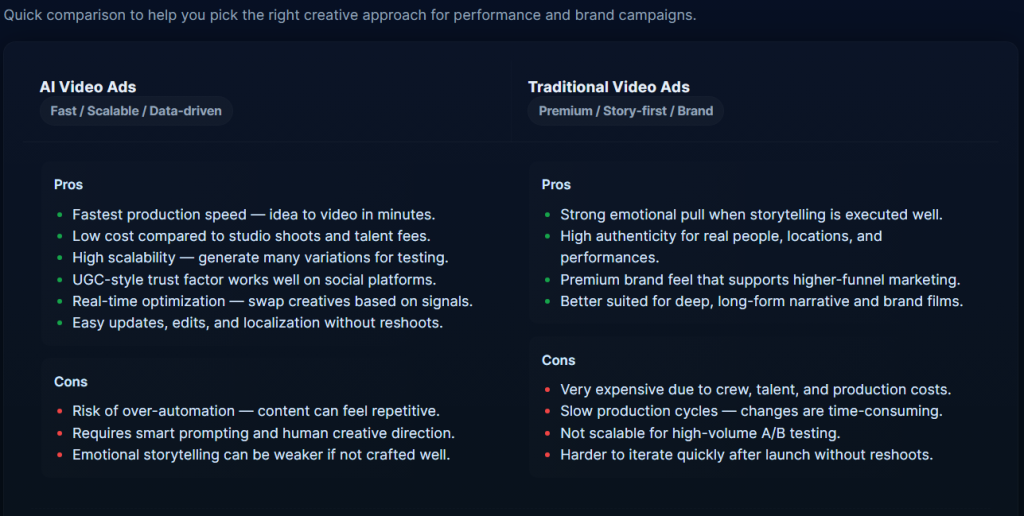
Pros & Cons of AI Video Ads
Use Cases: When AI Ads Win
AI dominates when brands need:
- TikTok, Reels, Shorts content
- Ecommerce product ads
- Fast A/B testing
- UGC-style videos
- Budget-friendly campaigns
- Multi-language global ads
Speed and iteration define the win.
Use Cases: When Traditional Ads Win
Traditional ads still lead in:
- Luxury branding
- High-budget campaigns
- TV commercials
- Long-form storytelling
- Films built for emotional impact
Some stories need real human faces. AI can’t replicate that depth/at least, not yet.
Expert Opinions on AI Video Ad Creation
Let’s take a look at what experts have to say about the AI shift –
“AI video ads beat traditional ads in scalability, cost savings, and testing speed. Story-driven films still matter, but performance marketing now leans heavily toward AI-driven creation.”
— Mark, AI Video & Performance Marketing Strategist
“Short-form platforms are designed for constant creative refreshes. AI fits that system better than slow, studio-heavy production.”
— Veda Parkar, Digital Media Consultant
“Brands that run hybrid models outperform those sticking to old formats. AI accelerates production while traditional keeps storytelling strong.”
— Abbey Greffin, Creative Director
Final Verdict: Which Performs Better?
If the goal is performance, AI video ads win.
They’re faster, cheaper, scalable, and easy to optimize.
They dominate CTR, engagement, and conversions on short-form platforms.
Traditional video ads still matter.
They win in branding, emotion, and premium storytelling.
But the smartest marketers in 2025–2026 aren’t choosing sides.
They’re blending both.
- AI for testing, scaling, and distribution.
- Traditional for emotional brand lift.
Hybrid is the real winner.
Learn More: How AI Is Changing Video Marketing Forever: Statistics That Show the Future
Conclusion
The battle between AI and traditional ads isn’t dramatic anymore. The results are in. AI brings speed and scale, and traditional ads bring emotion and depth. Brands that combine the two will lead the next phase of digital marketing.
If you’re ready to start producing AI-powered creatives with half the time and cost, explore tools like Tagshop AI to upgrade your workflow.
Frequently Asked Questions
AI performs better for speed, cost, and conversions.
Most yes, especially those running short-form or product ads.
Not fully, but they can replace low-tier influencer content.
They trust UGC-style AI more than polished ads.
Yes, across Meta, TikTok, Google, and more.
Often, 80 to 90 percent compared to traditional shoots.
Written by:

Neeraj is passionate about reshaping brand storytelling through AI-powered UGC videos. As the Founder he helps brands unlock authentic, creator-style video content that drives results - without the traditional time, cost, or complexity. His approach blends AI innovation with marketing performance to scale engagement efficiently.