AIによるUGCクリエイティブからプロフェッショナルな成果まで:ドロップシッピング広告テストのための完全フレームワーク
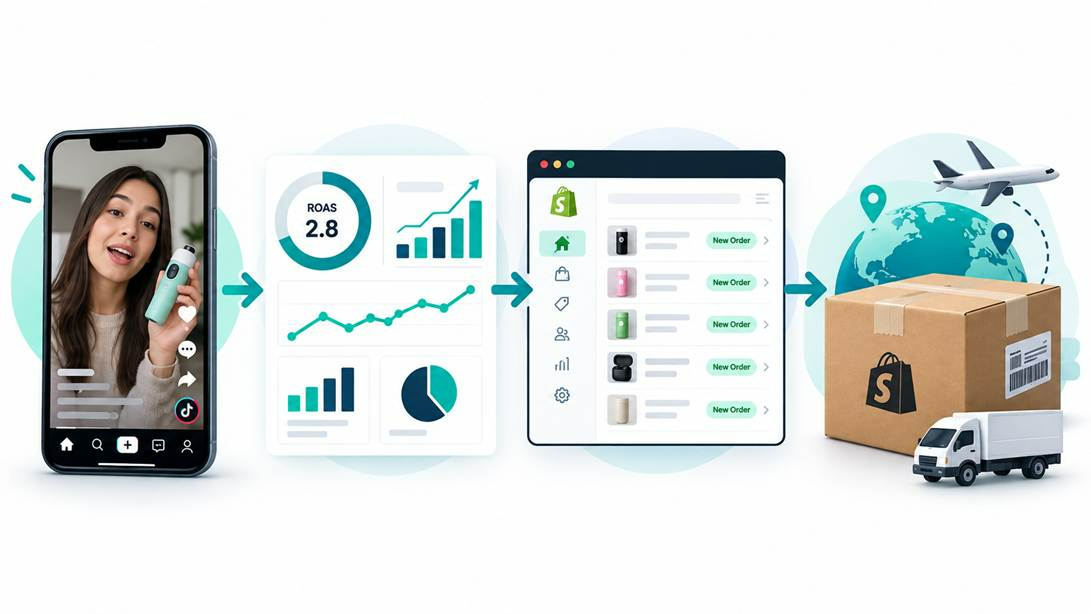







Shopifyのドロップシッピング業者のほとんどは、最初の90日以内に諦めてしまいます。それは、商品選びが悪かったからでも、ストアのデザインが悪かったからでもありません。売れる商品が見つからない広告テストに資金が尽きてしまったり、売れる商品が見つかったとしても、その後の注文に対応できる体制が整っていなかったりするからです。
真に拡張性のあるビジネスを構築するドロップシッパーは、2つの点で他とは異なります。まず、広告を無作為にテストするのではなく、体系的にテストします。そして、成長が始まる前に、その成長に対応できるフルフィルメント体制を構築します。
この記事では、最初のAIユーザー生成コンテンツ(UGC)テストバッチの作成から、成功した広告を大規模に収益化するためのバックエンド構築まで、完全なフレームワークを提供します。
収益性の高いドロップシッピングにおいて、広告テストがなぜ重要なのか
ProductLairが228点以上のドロップシッピング商品を分析したデータによると、厳選された商品の98.7%はソーシャルメディアで大きな可能性を秘めている。ボトルネックは商品自体ではなく、創造性にあることがほとんどだ。
平均的なドロップシッピングストアは、規模拡大に適した商品を見つけるまでに5~20種類の商品をテストします。各商品について、真剣な運営者はROAS(広告費用対効果)の基準値を超えるクリエイティブを見つけるまでに、5~10種類の広告バリエーションをテストします。つまり、規模拡大に値するものを見つけるまでに、最大200種類もの広告バリエーションを試す可能性があるということです。
クリエイティブを一つ一つ手作業で制作する場合、実際のUGCクリエイターを雇い、映像を撮影し、動画を編集し、テストを繰り返すという作業は、経済的に不可能になります。人間が制作するUGC動画1本あたり150ドルから500ドルかかるとすると、200種類のバリエーションをテストして最適なものを見つけるまでに、3万ドルから10万ドルの費用がかかることになります。
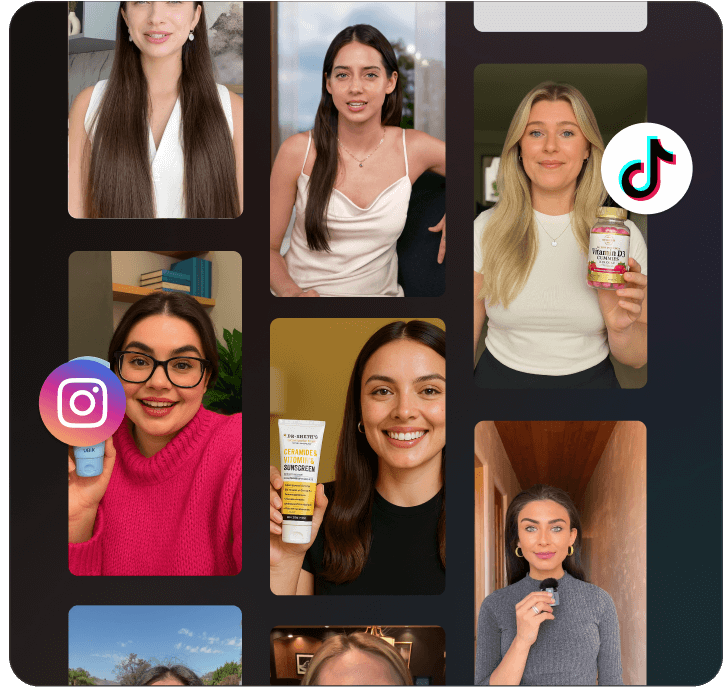
まさにこれが、 2026年にAI UGCが本格的なShopifyドロップシッピング事業者の運用標準となる理由です。大規模な本物の人間コンテンツの代替としてではなく、プレミアムなクリエイティブ制作に投資する前に何が効果的かを見極めるテストエンジンとして活用されるのです。
テストに適したAI UGC広告とは?
テストフレームワークを構築する前に、実際に何をテストするのかを理解する必要があります。AI UGC広告はすべて同じではなく、クリック率(CTR)が0.4%と2.8%の違いは、通常、フック、フォーマット、プラットフォームとの適合性という3つの要素に起因します。
ドロップシッピングに適したフック構造
最初の3秒が全てを左右します。TikTokやMeta Reelsでは、スキップする視聴者の65%が最初の3秒以内にスキップしています。特にドロップシッピングにおいては、視聴者が予想していなかったパターンを崩すような仕掛けが、常に高い効果を発揮します。
ドロップシッピングAI UGC広告で高い効果を発揮するフックフォーマットには、以下のようなものがあります。
●問題提起型のフック「私は[具体的な問題]で何ヶ月も苦労していましたが、これを見つけました」
●社会的証明を利用したフック– 「この商品は5つ星レビューが47,000件もあり、ついに試してみました」
●好奇心を刺激する仕掛け– 「誰も話題にしないけれど、[意外な製品のメリット]」
●デモンストレーションのフック– 最初の2秒間で、セリフなしで製品が視覚的に驚くような動作をする様子を見せる
変換するスクリプト形式
ProductLairが1億回以上のTikTok視聴データを分析した結果によると、テスト環境で適切に使用した場合、 AI UGC広告はTikTok上で平均18.5%のエンゲージメント率を達成するのに対し、従来の人間が作成した動画のエンゲージメント率は5.3%にとどまる。
ドロップシッピングに最適な3つのスクリプト形式:
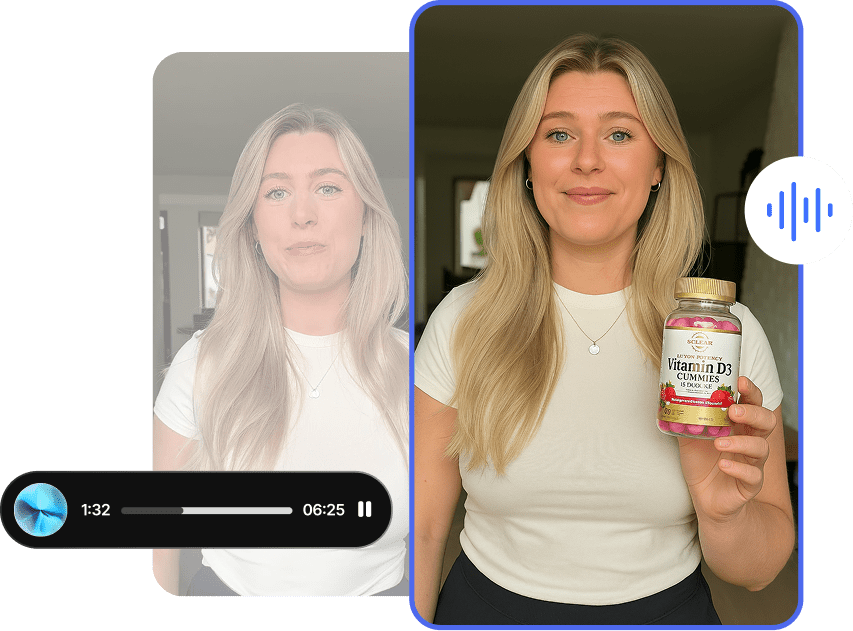
レビュー形式 – AIアバターがカメラに向かって、製品が特定の問題をどのように解決したかを直接説明する形式。40ドル以下の衝動買い商品に最適。TikTokやMeta Reelsに最適。
解説動画形式 –製品の使い方をナレーション付きで段階的に説明する形式。デモンストレーションが必要なガジェット、美容ツール、フィットネス機器などの製品に最適です。製品ページやYouTubeショート動画でのコンバージョン率が高いのが特徴です。
比較形式 –ビフォーアフター、または「3つの選択肢を試した結果、これが一番良かった」といった表現。消費者が既に複数の選択肢を比較検討しているような、競争の激しい製品カテゴリーで効果的です。
プラットフォーム固有のフォーマット
プラットフォームによって、評価されるコンテンツの形状は異なる。
● TikTok – 衝動買いを促す9~15秒の動画。テンポが速い。ネイティブのような自然な雰囲気。企業用語は使わない。
●メタ/Instagramリール– 15~30秒。やや洗練された仕上がり。最後の5秒で強力なCTA(行動喚起)を盛り込む。
● YouTubeショート動画– 30~60秒。説明に余裕がある。高額商品や複雑な商品に適している。
広告テストフレームワークの構築手順
ステップ1:何かを作成する前に製品を選択する
すべての製品がAIによるユーザー生成コンテンツ(UGC)テストの対象となるわけではありません。広告を作成する前に、製品は少なくとも以下の基準のうち3つを満たしている必要があります。
● 目に見える、共感できる問題を解決する
●強いインパクトや視覚的なデモンストレーションの可能性を秘めている
● 衝動買いしやすい価格帯で、20ドルから80ドルの価格帯
● TikTokで既にトレンド入りしている、またはオーガニック検索で成長が見られる
● 安定した在庫を持つサプライヤーが確保されている
この基準を満たさない製品は、どれだけテストを重ねても挽回できません。次に進みましょう。
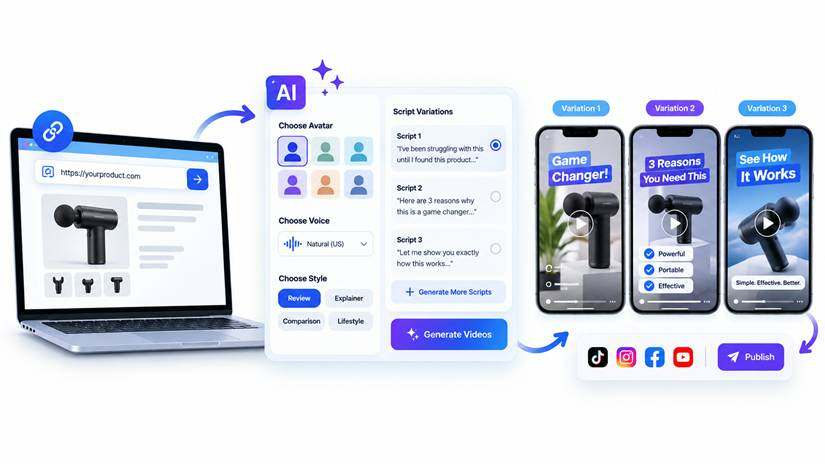
ステップ2:最初のAI UGCテストバッチを作成する
最初のテストバッチでは、製品ごとに最低5種類のバリエーションを作成する必要があります。データを明確に読み取れるように、各バリエーションでは一度に1つの要素のみを変更してください。
● バリエーション 1 – フック A、フォーマット A、アバター A
● バリエーション2 – フックB、フォーマットA、アバターA
● バリエーション3 – フックA、フォーマットB、アバターA
● バリエーション4 – フックA、フォーマットA、アバターB
● バリエーション 5 – フック C、フォーマット A、アバター A
この分離テスト手法を用いることで、どの広告が勝ったかだけでなく、どの要素がパフォーマンスを左右しているのかを正確に把握できます。
のようなツール Tagshop AIはあなたに 商品リンクを貼り付ける また、製品画像、仕様、メリットを自動的に取得し、毎回ゼロから始めることなく、さまざまなアバター、スクリプト、フォーマットをテストできるようにすることで、複数のAI UGCビデオバリエーションを迅速に生成します。
ステップ3:テスト予算とROASしきい値の設定
よくある間違いは、バリエーションごとに予算を少なく設定しすぎることです。広告1つにつき1日5ドルしか割り当てない場合、統計的に意味のある判断を下すのに十分なデータは決して得られません。
実地試験予算の構成:
● 広告バリエーション1種類につき1日あたり10ドルから20ドル
● 中止または規模拡大の決定を下す前に、各バリエーションを最低3日間実施してください。
● ROASの停止しきい値を0.8以下に設定してください。3日間経っても広告が損益分岐点に達しない場合は、広告を停止してください。
● スケールのしきい値を1.5 ROAS以上に設定します。これを超えると、より多くの予算が割り当てられます。
ステップ4:データの読み方 – 実際に重要な指標とは?
ほとんどのドロップシッピング業者は、テスト段階で間違った指標を最適化しています。各段階で実際に重要なのは以下のとおりです。
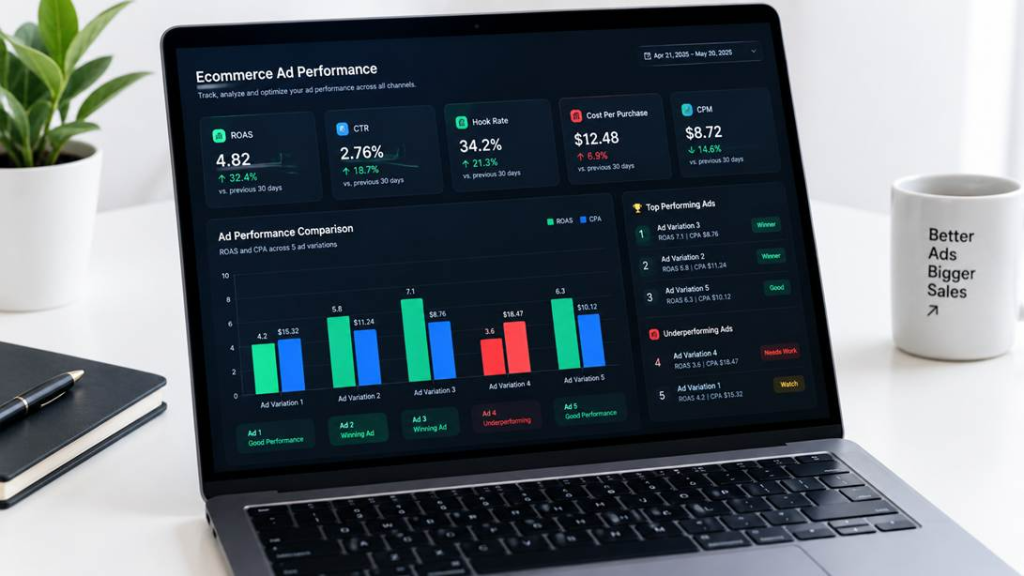
1~2日目 – クリエイティブ指標:
●フック率– 視聴者のうち、3秒以上視聴した人の割合
● CTR – 商品ページへのクリック率
● CPM – 1,000インプレッションあたりのコスト
3日目以降 – 購入指標:
● 購入あたりのコスト
● ROAS
● カートに追加率と購入率の比較(カートに追加率が高く購入率が低い場合は、広告の問題ではなく、商品ページに問題があることを示しています)
ステップ5:中止か拡大かの意思決定フレームワーク
3日間経過し、十分な予算が投入された後、すべての広告は以下の3つのカテゴリーのいずれかに分類されます。
殺処分 – ROASが0.8未満、CTRが1%未満、フック率が20%未満の場合。直ちに処分する。
維持 – ROASが0.8~1.5の間であれば、予算を少し増やしてさらに2日間様子を見てください。広告によっては、効果が出るまでに時間がかかる場合があります。
規模 – ROAS(広告費用対効果)1.5以上、CTR(クリック率)1.5%以上、フック率30%以上。2~3日ごとに予算を20~30%増額する。一夜にして倍増させないこと。
ほとんどのドロップシッパーが見落としている部分 – クリック後の展開
効果的な広告を見つけました。ROAS(広告費用対効果)は良好です。注文も入ってきます。予算を拡大します。注文はさらに増えます。そして、問題が始まります。
商品が遅れて届き、品質が広告で見たものと異なる。顧客から苦情が寄せられ、広告アカウントに否定的なフィードバックが届き始める。ROAS(広告費用対効果)が低下する。広告の効果が薄れてきたと判断し、新しい広告を作成する。そして、このサイクルが繰り返される。
本当の問題は広告そのものではなく、その実行方法にあった。
ShipStationとRetail Economicsによる2026年のeコマース配送ベンチマークレポートによると、消費者の87%が配送体験がブランドからの再購入意欲に直接影響すると回答しています。また、Shopify独自の調査によると、一度の悪い配送体験で顧客生涯価値が平均43%低下するとのことです。
有料広告を大規模に運用している場合、到着が遅れたり、商品が破損していたり、広告と異なっていたりする注文はすべて、返品、紛争、または否定的なレビューにつながります。これらのすべてが広告プラットフォームに否定的なフィードバック信号を送り、CPMの上昇、関連性スコアの低下、そして最終的には、せっかく成功したクリエイティブの収益性を損なうことになります。
だからこそ、真剣にドロップシッピングに取り組む企業は、フルフィルメントを広告テストの枠組みの中核部分として捉え、後回しにしないのです。
効果的な広告を拡大する前に答えるべき質問:
●私の仕入先は、私がこれから生産しようとしている数量で、この製品を安定して供給できますか?
● 主要市場への実際の配送期間はどれくらいですか?
● 品質検査プロセスはどのようなものですか?
● 広告で生み出したプレミアムな体験にふさわしい、ブランドパッケージを提供することはできますか?
中国から商品を仕入れているShopifyドロップシッパーにとって、プロのフルフィルメントプラットフォームを利用することで、出荷前の品質検査、世界規模の追跡可能な配送、顧客が受け取る商品が広告で作り出した期待と一致することを保証するカスタムブランディングオプションなど、これらの疑問すべてに対する体系的な回答が得られます。
USAdropは、Shopifyのドロップシッパーが利用する選択肢の一つで、中国から仕入れた製品に対して、5段階の品質検査、グローバルな配送、カスタムパッケージングなどのサービスを提供しています。
広告とフルフィルメントの両方を拡張できるシステムを構築する方法
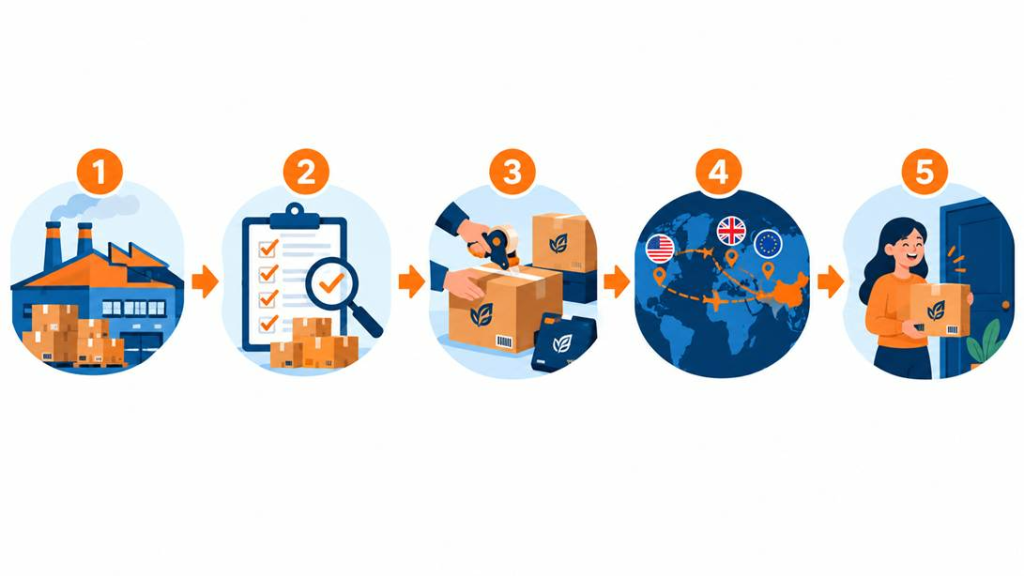
継続的に利益を上げるドロップシッピング業者は、自社の事業を2つの独立したシステムとしてではなく、相互に接続された2つのシステムとして捉えている。
システム1 – 創造とテスト:
● 次のようなツールを使用した継続的なAI UGC生成 Tagshop AI
● 製品ごとに最低5種類のバリエーションからなる構造化されたテストバッチ
● 3日間隔で明確な殺処分または規模拡大の意思決定フレームワークを設ける
● 処理能力を超えない予算スケーリングプロトコル
システム2 – 履行と品質:
● 在庫が安定している、事前に審査済みのサプライヤー
● 出荷前に品質検査を実施します(苦情が届いてからではありません)
● 広告で示唆されている内容と一致する配達時間帯
● 広告アカウントの健全性を保護する返品および紛争解決プロセス
広告費を増やす前に実践できる、スケーリングに関するチェックリスト:
● サプライヤーは、予測数量での在庫確保を確認済みです。
● お客様の製品に特化した品質検査プロセスを検証しました。
● 主要市場への配送期間は確定しており、現実的である。
● 紛争解決のための顧客サービスプロセスが準備されています。
● ブランドパッケージ、または少なくともプロによる開封体験が保証されています
結論
2026年に収益性の高いドロップシッピングを実現するには、売れる商品と売れる広告を一つ見つけるだけでは不十分です。重要なのは、クリエイティブを継続的にテストし、成功例を特定し、それらの成功例から発生するすべての注文を、品質や配送の失敗といったROASを内部から低下させる要因を排除し、大規模かつ安定的に処理できるシステムを構築することです。
フレームワークは簡単です:
AIを活用したUGC(ユーザー生成コンテンツ)を体系的にテストしましょう。データを正しく読み取り、効果のあるものだけを迅速に削除し、効果のあるものを拡大しましょう。そして、規模を拡大する前に、広告によって生み出される成長を自社のシステムが支えられることを確認してください。
これら2つのシステムを1つの連携したシステムとして扱うドロップシッピング業者は、半年後も利益を上げているだろう。
よくある質問
これは、製品の選定、管理された広告バリエーションの作成、クリエイティブとコンバージョンシグナルの測定、そしてキャンペーンの中止、修正、または規模拡大の決定を行うための、繰り返し可能なプロセスです。
決まった数値はありません。まずは、異なるフックやフォーマットを比較できる十分なバリエーションを用意し、一度に1つの主要な変数だけを変更し、ユニットエコノミクスで支えられる予算内でバッチサイズを決定してください。
クリエイティブを評価するには、フック率とクリック率を使用し、その後、規模拡大前にコンバージョン率、顧客獲得コスト、貢献利益率、返金、および履行コストを評価します。
効果的な広告は注文の急増につながる可能性があります。在庫確認、品質管理手順、配送予定、追跡、サポート体制を整えることで、注文量の増加に伴う遅延、キャンセル、利益損失を軽減できます。

 追加 TagshopGoogle検索で.aiを優先ソースとして表示する





 UnitXの

 Wan 3.0がリリースされました Tagshop AI