How To Create UGC-Style Ads With AI Avatars
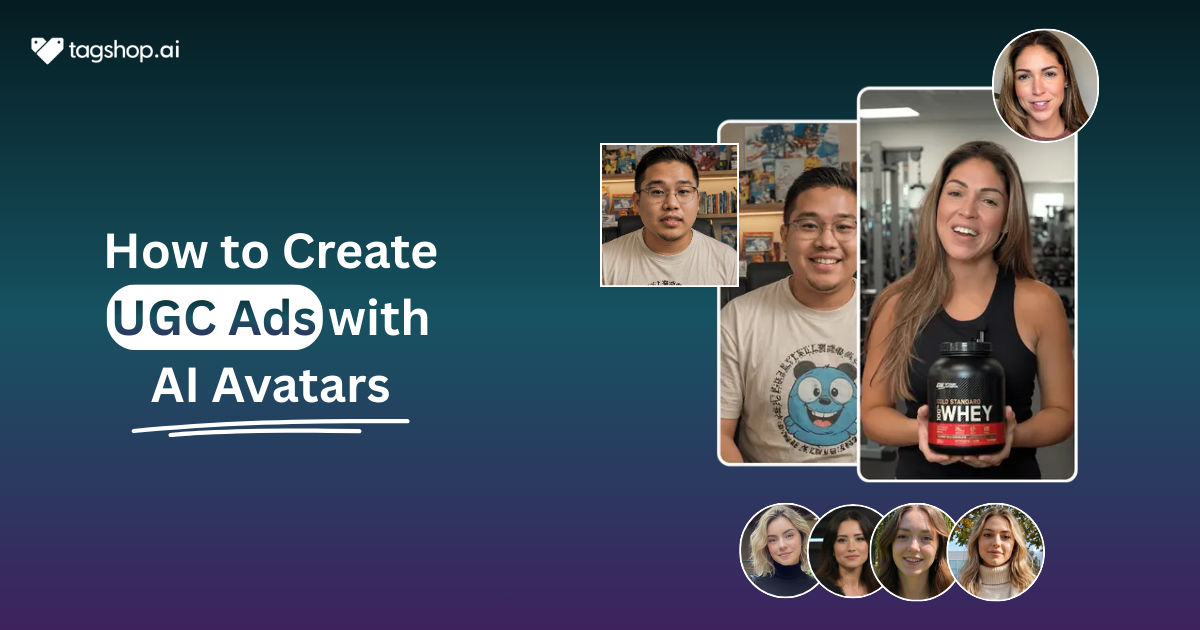







Holiday season, budget season, or just another chaotic Tuesday… brands everywhere keep fighting for attention. And strangely, the ads winning the battle right now look raw, handheld, and almost accidental. That’s the charm of UGC. Now mix that with AI avatars, and suddenly scaling “authentic creators” becomes oddly easy.
This guide explains how to create UGC-style ads with AI avatars that look real enough to double-take. Read on!
What Are UGC-Style Ads?
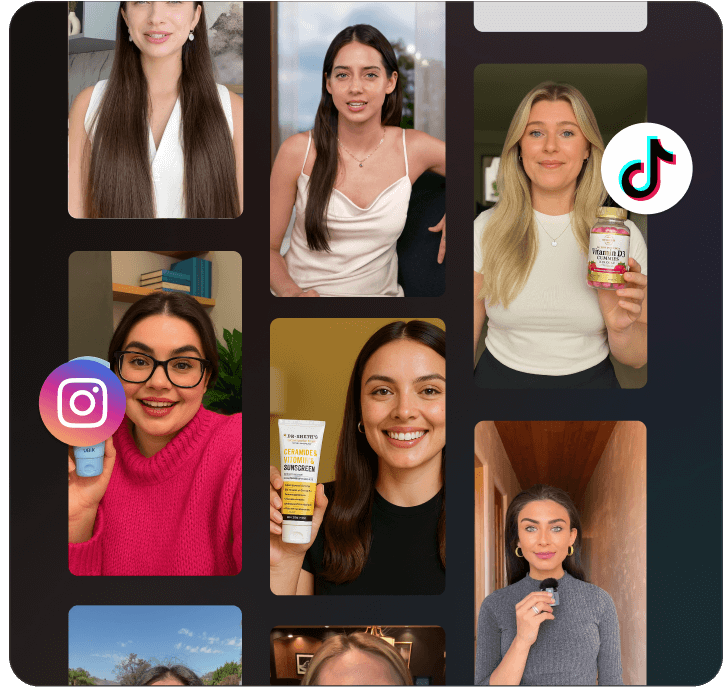
UGC-style ads are advertisements designed to imitate real user-generated content. They look like casual clips shot by everyday people instead of agencies. The goal is to build trust through relatable delivery, natural framing, and simple storytelling. This format works especially well on platforms like TikTok, Instagram Reels, and YouTube Shorts.
Key characteristics
Authenticity – natural tone, unscripted style, real-user vibes
Storytelling – simple narratives like “I tried this product last week…”
Mobile-first framing – vertical clips, close face framing, handheld look
Conversational speech – less brand talk, more human talk
Short runtime – punchy delivery that holds attention
But why do they work so well for conversions?
UGC-style ads lower the psychological barrier. Viewers trust them faster, feel less “sold to,” and stay longer. They also blend into social feeds, making the viewer pause before skipping. This mix of authenticity and relatability often leads to higher ROAS compared to traditional polished ads.
What Are AI Avatars?
AI avatars are digitally generated human characters that simulate real people on camera. They can speak, move, express emotions, and deliver scripts with natural gestures. They are trained on advanced visual models to mimic human motion and tone, making them suitable for UGC-style content.
How do they simulate real creators?
They mimic human speech patterns, eye movements, micro-expressions, and lip-sync. Some avatars even shift posture slightly, blink irregularly, and vary tone — details that make them feel more believable.
Types of AI avatars
1. Photo-realistic avatars:
These look almost identical to real people, with detailed skin textures, natural expressions, and lifelike eye movement. They are perfect for testimonial-style ads where trust and closeness matter. Brands use them for product reviews, unboxings, or casual conversations that feel like a real person shot the video on their phone.
2. Animated avatars:
These characters are slightly artistic or stylized, with smooth motions and expressive faces. They work well for playful, fun brands that want personality without looking too serious. Animated avatars are often used for app demos, quirky intros, or more creative short-format ads where realism isn’t the main goal.
3. Studio-style avatars:
These look like professional presenters standing in front of clean backdrops with well-managed lighting. They are great for explainers, product breakdowns, feature walkthroughs, or corporate messaging. Studio-style avatars help brands deliver clear and polished communication without hiring on-camera talent or booking a studio.
4. Influencer-style avatars:
These avatars resemble lifestyle creators you’d see on TikTok or Instagram, with casual outfits, trendy setups, and relaxed gestures. They mimic the vibe of influencers talking directly to their followers, making them ideal for relatable content. Brands use these avatars for problem–solution videos, product recommendations, and short viral-style hooks.
Why Brands Are Combining UGC + AI Avatars
Real creators are great, but they come with calendars, contracts, and revisions. AI avatars skip all that. They mimic human delivery, speak any language, and show up at 2 am without complaining.
1. Speed of production:
AI avatars let brands generate multiple ad variations in minutes, not days. There’s no need for retakes, reshoots, or waiting for creators to send files.
2. Reduced cost:
Traditional UGC requires paying creators, editing teams, and sometimes renting small studio spaces. With AI-powered avatars, most of those expenses vanish.
3. Creative freedom and script control:
Brands can fine-tune every word, gesture, pacing, and emotion in the video. Nothing gets mispronounced or delivered awkwardly.
4. Consistency across campaigns:
Using the same avatar across different ads builds familiarity and trust over time.
5. No scheduling or creator dependency:
There are no booking calendars, time zones, sick days, or last-minute cancellations.
What You Need Before Creating AI UGC Ads
All AI magic still needs a few basics before hitting “generate.”
1. Clear script/ad angle
Before touching any tool, decide exactly what the video must communicate. Know your hook, your core message, and your CTA. Write a one-sentence version of your ad: “This is a testimonial about [product], aimed at [audience], ending with [CTA].” That sentence becomes your creative north star and prevents the AI from going in the wrong direction. Without this clarity, even the best AI tool will produce generic output that fails to convert.
2. Product visuals or selling points
Gather the raw material the AI will build from: high-resolution product images, key feature descriptions, price point, and your product URL from Shopify, Amazon, or your store. The more specific and complete your inputs, the less the AI has to guess. Vague product information leads to generic output; strong product data leads to specific, believable ad creative that actually connects with the audience.
3. Target audience understanding
The tone, language, and avatar selection should directly reflect who you are selling to. Think about their age, lifestyle, pain points, and how they communicate on the platform you are targeting. A Gen-Z audience on TikTok expects a different energy than a 35-year-old professional on Instagram. Matching the avatar’s style and the script’s tone to your audience is what makes the ad feel authentic rather than manufactured.
4. Platform preferences
Different platforms have different attention spans, optimal video lengths, and native formats. TikTok rewards chaotic energy and pattern interrupts in the first two seconds. Instagram Reels performs better with a clean visual hook. YouTube pre-roll needs immediate value. Decide your platform before generating, then set the aspect ratio, pacing, and caption style accordingly. An ad optimized for one platform often underperforms on another without these adjustments.
How To Create UGC-Style Ads With AI Avatars (Step-by-Step)
Below is the most practical workflow for making UGC-style ads with AI avatars inside Tagshop AI.
1. Log in to Tagshop AI
Head over to tagshop.ai and sign in. The dashboard opens into a neat workspace with clear sections for URL-to-video, avatar tools, and script features. Everything is laid out so that even a new user can start creating in minutes without digging through menus.
2. Go to the AI Avatar Video section
Once you’re in, move to the AI Avatar Video area, which is where all the avatar-driven UGC videos are created. This section is designed to feel simple, almost like you’re editing a social media clip. It gives you quick access to avatars, voice settings, and your project timeline.
3. Select an Avatar from 100+ options
Choose from a large library of avatars that cover photo-realistic, casual, studio-ready, and influencer-style looks. Each avatar has its own personality and delivery style, so the ad feels more human. Brands usually pick avatars that match their audience’s age, tone, and niche for better engagement.
4. Add your script or let AI write one for you
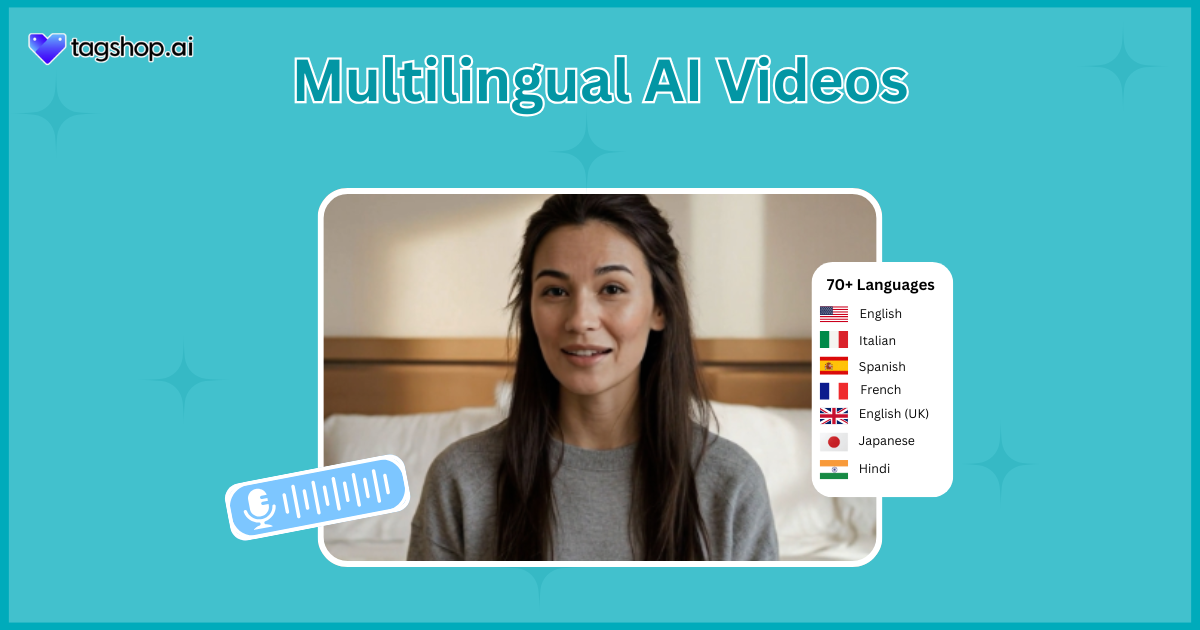
You can paste a complete script if you already know your angle, or simply type a rough idea and let the AI build the full script. The tool supports 30+ languages, which helps when you’re running ads in multiple markets. Scripts can sound casual, salesy, funny, or even a bit raw, depending on what you want.
5. Customise and edit inside the editor
Use the editor to add product shots, stock clips, transitions, or extra voice layers. You can tweak timing, change visuals, or adjust how the avatar delivers each line. It works a bit like a lightweight editing tool, so you keep control without needing a pro video editor.
6. Render and download your final video
Once everything looks right, hit render and wait a few minutes. The video processes quickly and is ready to download in standard ad-friendly formats. From here, you can upload it straight into your Meta Ads dashboard, TikTok Ads Manager, or wherever you run campaigns.
Best Practices for UGC-Style AI Avatar Ads
- Make the script feel slightly unscripted.
- Use jump cuts to mimic real creator pacing.
- Add product close-ups or text overlays.
- Keep videos around 15–30 seconds.
- Use real customer language, not brand-style phrases.
- Add a clear CTA around the end.
- Test multiple hooks and compare performance.
Examples of AI-Generated UGC Ads
Example 1: Testimonial-styl
Avatar speaks directly to the camera, almost like a friend sharing their honest experience. Works well for reviews, satisfaction stories, or “I tried this last week” moments that people relate to.
Example 2: Problem–solution demo
Avatar starts by calling out a common pain point, then introduces the product as the quick fix. Performs strongly because it moves fast and hits a clear emotional trigger.
Example 3: Before–after transformation
Split-screen or back-to-back visuals show what changes after using the product. Perfect for skincare, cleaning tools, fitness gadgets, and anything where results speak louder than descriptions.
Example 4: Tutorial/how-to
Avatar breaks down the product in simple steps, explains how to use it, and shares small tips that help people feel confident before buying.
Common Mistakes to Avoid While Creating UGC-Style AI Video Ads
- Overly robotic tone
- Avatars that don’t match the audience’s demographic
- Scripts that are too long
- Missing product shots
- No emotional connection
- Hooks that fail to grab attention
How AI UGC Ads Perform Against Traditional UGC
Factor AI ugc ads traditional ugc cost much lower, with higher and inconsistent speed minutes, days, or weeks; creative scalability: unlimited variations; limited to creatorsa/b testingeasy with quick edits; harder with reshoots; real-world stats: often higher ctr for top-funnel ads; stronger mid-funnel trust.
Recommended Tools for Creating AI Avatar UGC Ads
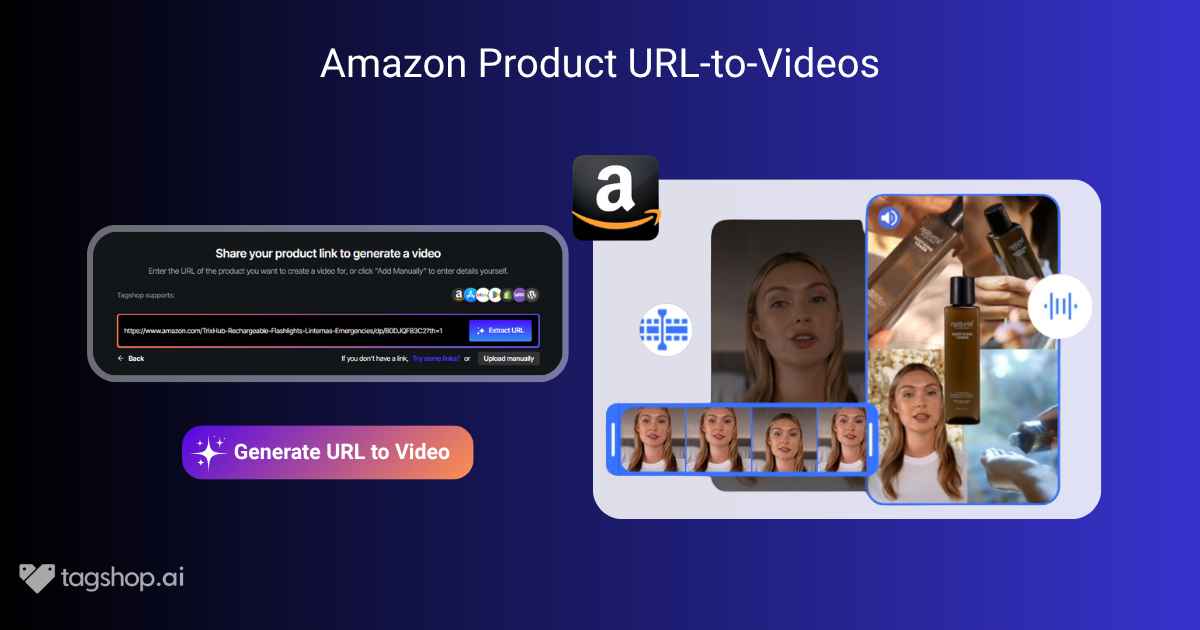
1. Tagshop AI: Built for marketers who want UGC-style ads with AI avatars that feel natural. Its URL-to-video converter generates UGC ads directly from product links.
Key Features: AI UGC creation, URL to video, Image to video, AI twin creation, Script-to-video, Text-to-video, Realistic avatars, AI script generation, AI product videos.
Pricing: Free trial + paid plan from $14/month
2. Wondershare Virbo: Clean, polished, great for presenter-style AI videos. From $14.9/month.
3. Heygen: Popular for high-quality avatars with smooth lip-sync. From $29/month.
4. Elai: Balanced, simple, and professional. From $14/month.
5. Vidnoz AI: Great for fun, vivid, studio-like content. From $14.99/month.
Conclusion
AI avatars are quickly becoming the easiest way to scale UGC-style ads without burning time or budget. They’re fast, flexible, and surprisingly real when done right. This is the moment to try new angles, test fresh hooks, and see what your audience actually responds to.
If you want a simple place to start, try Tagshop AI. Pick a template, drop in your script, and launch your first AI avatar ad in minutes.
Frequently Asked Questions
Tagshop AI offer AI avatars built for UGC-style ads. They let you create creator-like videos without hiring actual creators.
Choose a tool, pick an avatar, add your script, upload product visuals, and hit generate. The tool handles the rest.
They mimic real creators, casual tone, natural gestures, phone-style framing, and a pace that feels like someone speaking to a friend.
People trust content that feels human. Quick demos, simple storytelling, and real-talk beat overly polished commercials every time.
Tagshop AI is an avatar video generator, produce influencer-style or testimonial-style videos for paid and organic campaigns.
Pick an avatar that matches your customer’s age, vibe, and communication style. The closer the fit, the better the engagement.
Keep it short and casual. Start with a hook, highlight a benefit, show proof, and wrap up with a simple call to action.
TikTok, Instagram, Facebook, YouTube Shorts, and Pinterest—basically any platform that pushes short vertical videos.
Use a conversational tone, add tiny pauses, include jump cuts, mix in product shots, and avoid studio-level polish.
Create multiple variations of the same script, switch avatars, test new hooks, and run nonstop A/B tests to see what sticks.
Problem-first lines, bold claims, surprising facts, or quick demos. Anything that grabs attention in two seconds flat.
Track CTR, watch-time, hold rate, conversions, and your A/B test outcomes. These tell you exactly what’s working and what’s not.
Log in to Tagshop AI, go to the AI Avatar Video section, choose an avatar from 100+ options, paste your product script or let AI generate one, customize visuals in the editor, then render and download. The full process takes under 10 minutes and produces a video that mimics authentic creator-style content.
Realistic AI avatars combine natural lip-sync, micro-expressions, irregular blinking, and slight posture shifts to simulate human movement. Adding small imperfections like shaky camera framing, bedroom backgrounds, and big yellow captions further reinforces the authentic, phone-recorded feel that performs best on TikTok and Instagram.
Written by:

Neeraj is passionate about reshaping brand storytelling through AI-powered UGC videos. As the Founder he helps brands unlock authentic, creator-style video content that drives results - without the traditional time, cost, or complexity. His approach blends AI innovation with marketing performance to scale engagement efficiently.
 Add Tagshop.ai as a preferred source in Google Search





 Introducing

 Wan 3.0 is now live on Tagshop AI