AI UGC Ads: The Complete Guide to Creating High-Converting Ads in 2026
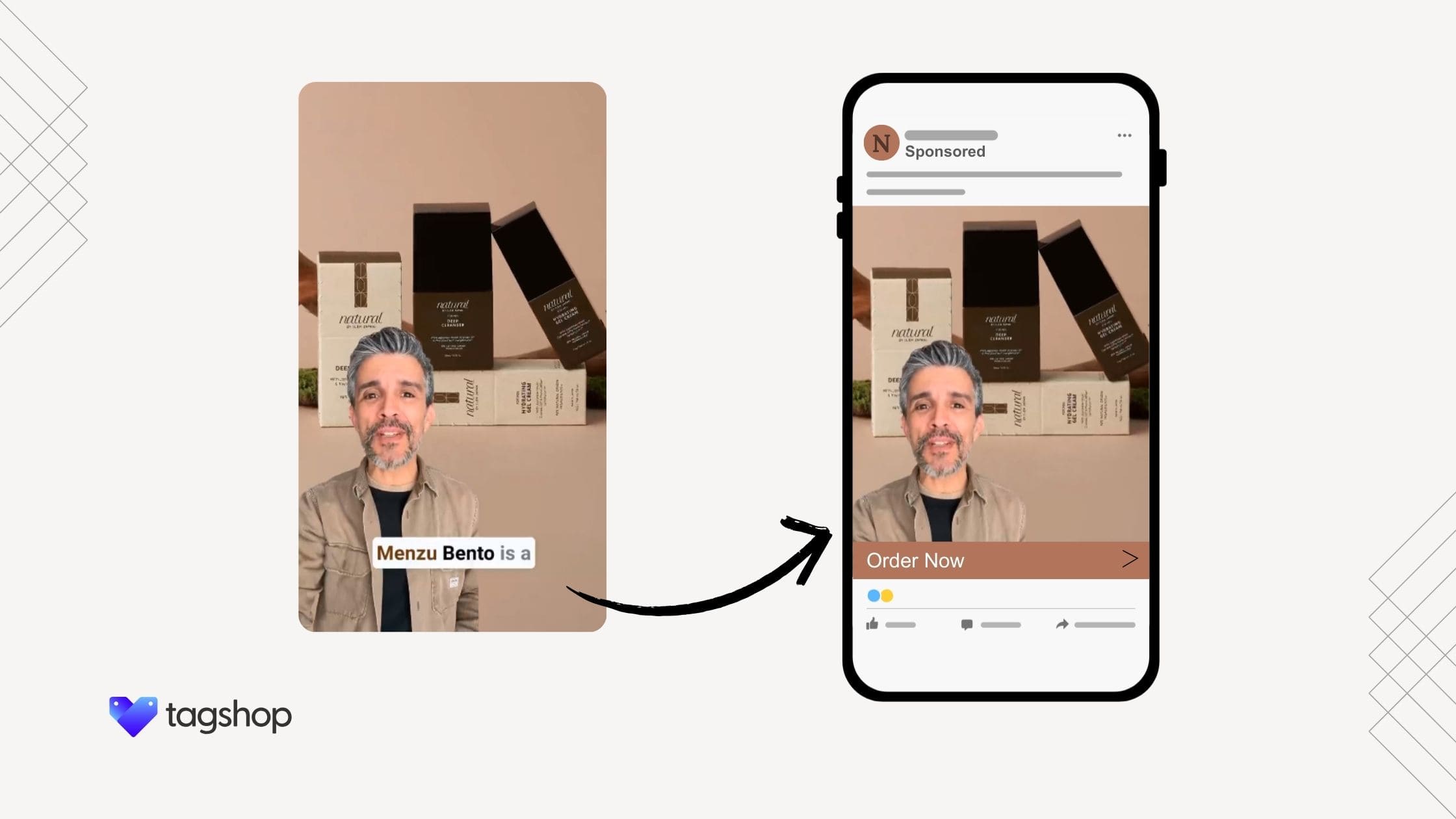







Quick Answer: AI UGC ads are creator-style video advertisements made using AI avatars, scripts, and automation instead of real human creators. They look and feel like authentic user-generated content — face-to-camera testimonials, product demos, unboxing clips — but are produced in minutes at a fraction of the cost. Brands use them to test more creative angles, scale ad production, and maintain consistent output without creator dependency.
UGC ads have been the highest-performing ad format on TikTok and Meta for years. The problem was always supply. Finding creators, briefing them, waiting for delivery, managing revisions – the cycle took 2–4 weeks per batch and cost hundreds of dollars per clip.
AI UGC removes that bottleneck entirely. The same creator-style content that builds trust and drives conversions can now be produced in minutes, at scale, with complete brand control.
This guide covers everything you need to know: what AI UGC ads are, why they work, what types to create, how to make them, and how to optimise for the platforms where they run.
What are AI UGC Ads?
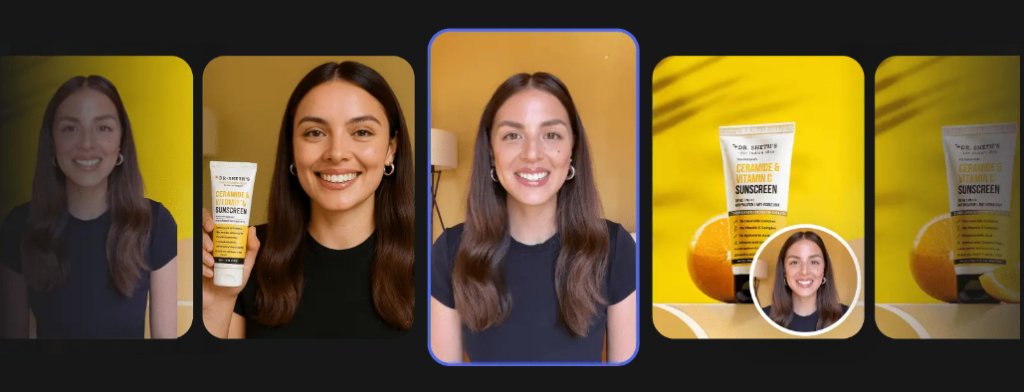
AI UGC ads are short video advertisements that simulate the look and feel of user-generated content — raw, authentic, face-to-camera — but are created using artificial intelligence tools rather than real human creators.
The defining characteristics:
- A real-looking presenter (AI avatar) speaking directly to camera
- Casual, conversational delivery — not polished or corporate
- Phone-native formatting: vertical 9:16, bold captions, trending sounds
- Content that mirrors what real customers say — testimonials, reviews, demos
How does AI replicate the style and tone of real user-generated content?
AI UGC ads mimic the spontaneity and authenticity of real users’ content, using which they are
- Conversational, unscripted tones,
- Relatable scenarios and everyday settings.
- On-camera avatars delivering product reviews, unboxings, and tutorials.
- These ads are designed to appear as if they were filmed with real people.
Tools and technologies involved include AI avatars, voiceovers, and script generation.
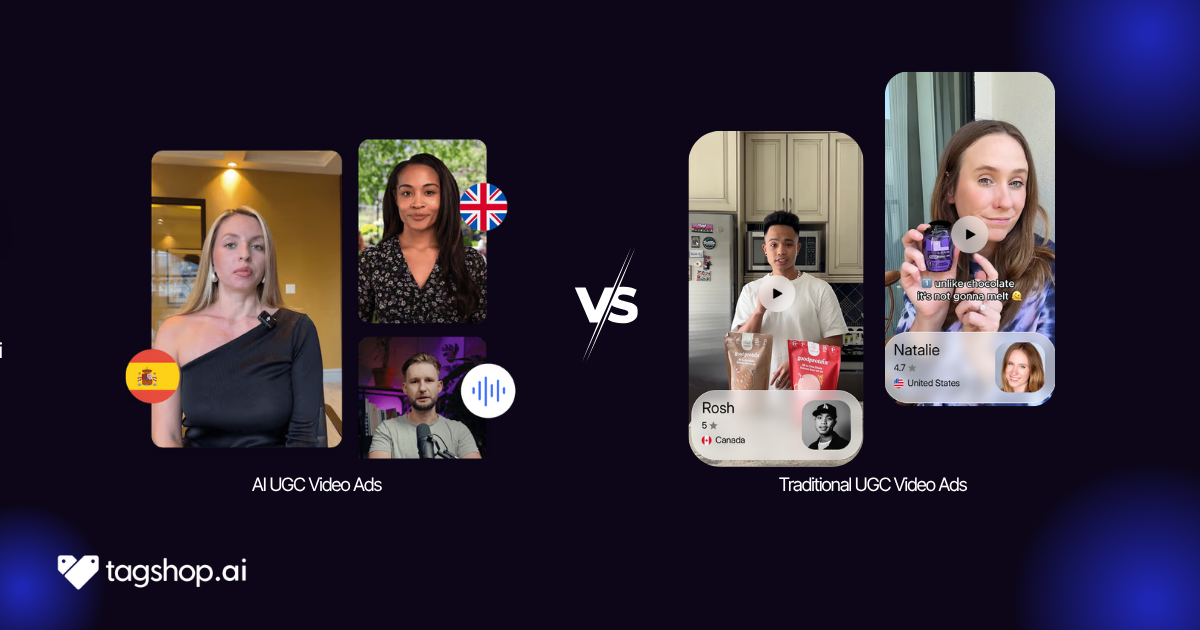
Difference Between Traditional UGC and AI UGC.
Take a look at the difference between traditional UGC and AI UGC for a better understanding.
| Aspect | Traditional UGC | AI UGC |
| Source | Real people (customers, influencers, fans) | AI-generated avatars and voices |
| Time Taken | Days to weeks ( depends on Creator’s availability) | In minutes |
| Cost | Expensive | Low cost, no crew, no filming equipment needed |
| Scalability | Limited by human-created | Can be easily scaled with auto-generation |
| Authenticity | Naturally authentic, but inconsistent in quality | Mimics authenticity with consistent tone and delivery |
| Digital Rights | Requires contract and usage rights | No right issues with AI avatars |
| Editing flexibility | Limited once the content is filmed | Fully editable post generation |
Why Brands Are Shifting to AI UGC Ads
Here are some of the reasons brands are shifting to AI UGC ads.
1. UGC-style content outperforms traditional ads on every metric
Meta’s own data shows UGC-style ads generate 6.9x higher engagement than brand-produced ads. Nielsen reports that 92% of consumers trust peer recommendations over brand advertising. The format itself carries credibility that no amount of production budget can buy.
2. Faster Production and Testing Cycles
With the help of AI UGC video generators, users can go from script to ad in minutes. They can launch tests and iterate dozens of ad variations in a single afternoon, not weeks.
3. Consistency In Messaging
One of the main issues brands face in using the traditional UGC is inconsistency in tone and branding. To curb this, brands are turning towards AI UGC video tools. These video tools follow your script word for word. This ensures that your videos are on the right note and maintain your branding every time.
4. Personalization And Scalability
Thanks to the power of artificial intelligence, these video tools enable the personalization of AI-generated user-generated content (UGC) video ads. For example, brands can customize avatars, voices, languages, and scripts to target different segments without needing to shoot new footage.
Let’s say you need to shoot traditional videos for different audiences, requiring ten versions of the same ad. In that case, you will have to shoot ten different videos. This will require more time and an additional workforce. However, with the personalization feature of an AI UGC video tool like Tagshop AI, you can,
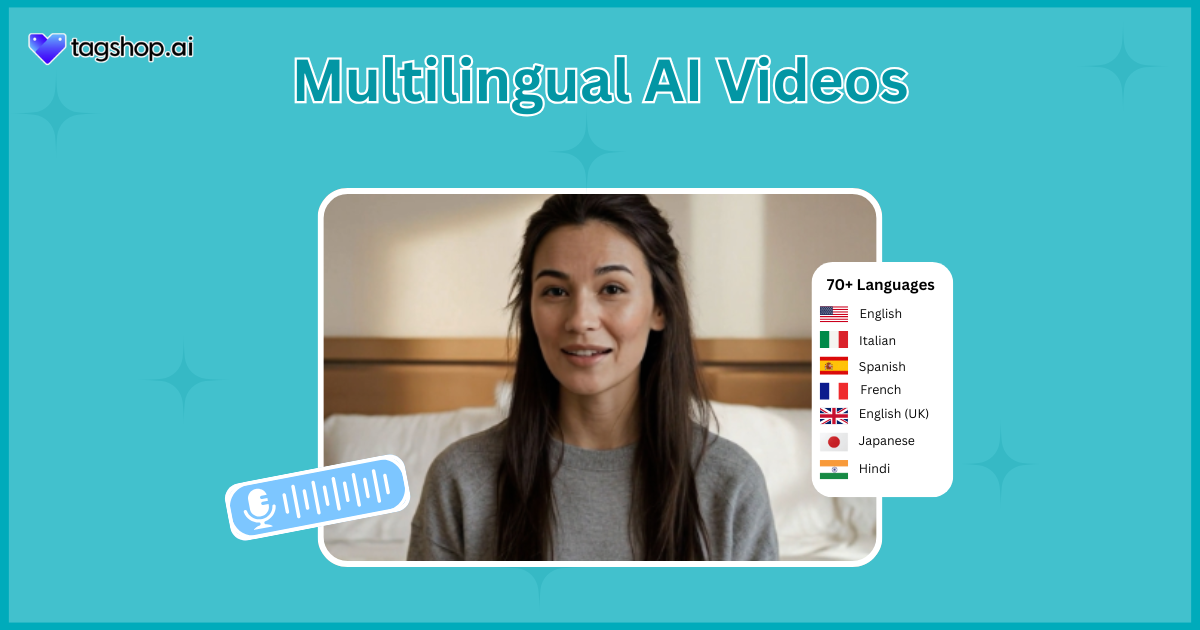
- Change the accent and language of the same video.
- Personalize the script for local reference.
- Personalize the look of your avatar for mass appeal.
5. Performance On Platforms like Meta and TikTok
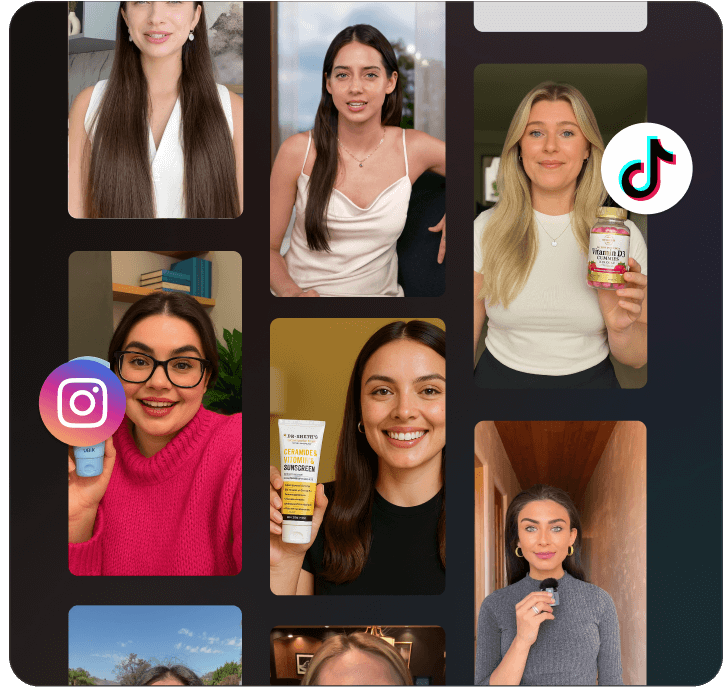
AI UGC mimics native face-forward content that thrives on platforms like TikTok and Instagram reels. It feels organic, grabs attention quickly, and converts like real user-generated content, often better.
What Marketers Are Saying on Reddit About AI UGC Ads
The questions below are drawn from real discussions in /r/AI_UGC_Marketing/ r/FacebookAds, r/TikTokMarketing, r/ecommerce, r/PPC, and r/DigitalMarketing – where performance marketers share honest test results and campaign data on AI UGC ads.
Do AI UGC ads actually convert, or is it just marketing hype?
The r/AI_UGC_Marketing community consistently reports real conversion results from AI UGC ads, particularly for ecommerce brands spending $1k–$10k/month on Meta. Reported ROAS ranges from 2x–6x depending on product category, audience, and creative quality.
The key finding from multiple threads: AI UGC works best when the hook is strong and the script addresses a specific, recognisable customer pain point. Generic AI UGC (“this product is amazing, buy now”) performs poorly. Specific, problem-led AI UGC (“I tried 6 supplements before this one finally worked”) converts comparably to real creator content.
How do you write a script for an AI UGC ad that doesn’t sound robotic?
The most upvoted advice from r/TikTokMarketing: write like you’re texting a friend, not writing ad copy. Include natural filler phrases (“honestly,” “I was skeptical at first,” “okay so”), avoid marketing jargon entirely, and start with a relatable frustration rather than a product claim.
Several marketers recommend taking your best-performing comments and reviews and building scripts directly from the language customers already use. The AI avatar delivers the words – your job is to make those words sound human before they’re spoken.
What’s the ideal length for AI UGC ads on TikTok vs Meta?
Based on shared data in r/TikTokMarketing and r/FacebookAds: for TikTok, 15–25 seconds consistently outperforms longer formats for cold traffic. For Meta Feed, 20–35 seconds works well. For Meta Reels, match the 15–30 second format of organic Reels content. The r/PPC community notes that longer formats (45–60 seconds) can work for retargeting audiences who are already familiar with the brand, but for cold traffic, shorter is almost always better.
How many hook variations should you test for an AI UGC ad campaign?
The r/FacebookAds standard: minimum 5 hooks, ideally 8–10. Keep the body and CTA identical across all variations and only change the opening 3–5 seconds. The purpose is to identify which problem framing or curiosity trigger resonates with your specific audience.
Marketers consistently report that their winning hook is rarely the one they thought would perform best. Budget $10–15 per variation for 3–5 days of initial testing before drawing conclusions. Scale only the top 1–2 performers.
Anatomy of a High-Converting AI UGC Ad

Hook: Capturing Attention in the First Few Seconds
The hook is the most essential part of your UGC ads. This stops the viewers from scrolling. Within the first 3 seconds, you need to spark curiosity, highlight a relatable problem, or make a bold claim that speaks directly to your audience’s needs.
Effective hooks start with phrases like “Here is a trick I wish I knew sooner…” or “You’ve been doing this wrong.” Combine this with visually appealing, expressive AI avatars and on-screen text to immediately grab attention and signal value.
Problem/Solution: Highlighting Pain Points and How the Product Helps.
Once you’ve hooked your audience, dive straight into the pain point and how your product solves it. This is where your AI avatar mimics real-life storytelling that is casual, relatable, and honest.
In the meantime, highlight a common frustration and follow up with how your product or service made it faster and better. Ideate this as a mini transformation journey, where the viewer can see themselves in the story and start imagining their outcome with your product.
Social Proof: Mimicking Real Testimonials
Social proof makes the AI-generated ads appear more authentic.
With the help of user testimonials through your avatar, you create trust and credibility. These testimonials should sound like real people speaking from experience, with something like “I didn’t, wouldn’t work, but …” mentioning quantifiable results. If possible, whether it’s time saved, money earned, or a noticeable improvement in quality of life.
Encouraging action (e.g., Buy Now, Learn More).
Every high-performing AI UGC ad ends with a compelling call to action. After knowing how the product works and how it can change their lives, your audience wants to know what to do next. This is where a strong CTA is needed.
Remember that your CTA should be action-oriented and not pushy. Try to frame your CTA more casually, as this prevents the ad from coming across as salesy and creates a sense of helpfulness.
For example – “Honestly, you should give it a try.”
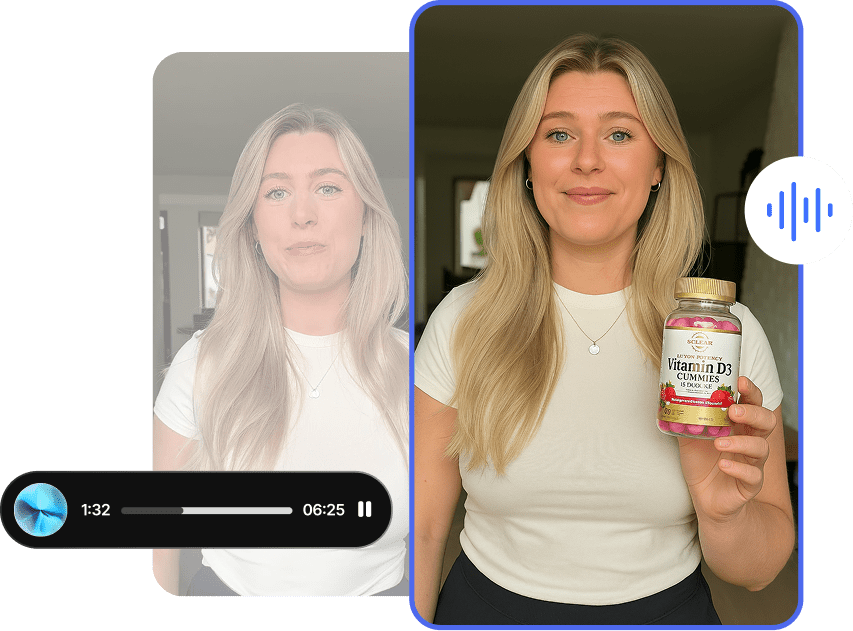
Create AI UGC Ads with Tagshop AI
Take a look at some of the ways you can create AI UGC ads for Tiktok and Meta with Tagshop.
Step 1. Paste Product URL or Write Product Video Brief
Turn your product URL into videos with the Tagshop.ai video editor. Brands can quickly test multiple messaging angles in performance ads without even lifting a finger.
Please share your product link or provide a concise, benefits-focused brief that enables Tagshop to understand your products and target audience quickly. Generate videos in platforms’ optimized formats, which is a 9:16 ratio, under 60 seconds, with auto-subtitles.
Step 2. Select and Edit Video Script
Get multiple AI-generated script options- optimized for performance. Fine-tune the one you like the best, or let Tagshop handle it all for you. Tagshop offers editable scripts, allowing you to adjust messaging, tone, or calls to action according to your campaign objectives.
Want a softer storytelling approach? Or a bold statement? You are in the right place. With Tagshop, you do not need to start from scratch – adjust and proceed. The result? Ads that sound like a best-performing copywriter wrote them!
Step 3. Pick an AI Avatar and Voice
Match your target audience and brand vibe. Select an AI actor that aligns with the vibe of your brand. This is not just a cosmetic feature; it directly impacts how your brand message lands with your audience.
Choosing an avatar that resembles, speaks, and behaves like your audience fosters an instant sense of connection. People are more likely to trust and engage with content that feels like it’s from “people like them”.
Step 4. Export in Optimized Ad Format
With Tagshop, you can create AI UGC ads for Facebook, TikTok, and Instagram. Other formats, such as 9:16 vertical ratio, auto-subtitled, and under 60 seconds, are ready to stop the scroll and maximize watch time.
Step 5. Download & Run ads
Once your video is ready, it’s go time! Download your AI UGC ad and launch it across channels. Expect higher engagement, quicker testing, and lower ad spend, all without the traditional production headaches.
⭐Boost Engagement, Low Ad Cost
Your finished video is automatically formatted to fit top ad platforms like Meta, Instagram Reels, and TikTok. Videos are delivered in a 9:16 vertical ratio, under 60 seconds, and with auto-subtitles to grab attention, even on mute. Tagshop takes the guesswork out of formatting, making sure your video is designed to stop the scroll.
And because you are skipping costly production crews, creators, and lengthy edit cycles, you are cutting ad costs while creating your ad campaign. This means more engagement, less spend with zero hassle.
Types of AI UGC Ads
1. Testimonial Ads
An AI avatar delivers a scripted customer testimonial in a casual, face-to-camera style. Best for: skincare, supplements, fitness, software — anything where social proof drives purchase decisions.
2. Product Demo Ads
An avatar walks through how the product works. Best for: apps, SaaS tools, physical products with a clear use case.
3. Unboxing and Review Ads
The avatar simulates opening a product for the first time. Best for: ecommerce products, beauty, gadgets, subscription boxes.
4. Before and After Ads
Structured around a transformation — problem, product, result. Best for: skincare, fitness, software that saves time.
5. Hook Variation Testing Ads
The same message delivered with 5–10 different opening hooks. A testing format for identifying the highest-performing hook before scaling spend.
6. Comparison Ads
An avatar compares the brand to a competitor or the old way. Best for: software, tools, products in competitive categories.
What Makes a High-Converting AI UGC Ad
Take a look at the best practices for AI UGC Ads.
1. Conduct A/B tests with Different Avatars, Scripts, and CTAs.
To maximize the performance of the AI-generated UGC ads, A/B testing is essential. Try multiple versions of avatars, different looks, tones, and demographics. This will help you determine which version resonates most effectively with your audience.
At the same time, you can also test various scripts and messaging angles. You can also focus on product benefits, storytelling, and social proof. Sometimes, even the most minor changes in your call-to-action wording, like “Buy Now” versus “Try It Now,” can significantly impact click-through rates.
2. Keep Content Native to the Platform’s Style
Each social media platform has its own culture, content norms, and aesthetic expectations. To make sure that your AI UGC ad performs well, it is designed to feel native. For TikTok, that means raw, vertical video with quick edits and trendy music.
3. Focus on relatability, not Perfection.
Customers crave authenticity, not overly edited marketing gimmicks. Your AI-generated UGC ads should also reflect this. Opt for scripts that seem natural.
AI UGC ads should be grounded in natural-sounding dialogue in everyday scenarios and emotions that users can connect with. Avoid robotic tones or picture-perfect visuals; instead, incorporate a few imperfections, casual language, and human-like expressions. This fosters a sense of trust and authenticity, making your content more believable and compelling.
4. Refresh Creatives Regularly
Ad fatigue is a real phenomenon, especially on fast-paced platforms like TikTok and Instagram, where content is constantly updated. Regularly refreshing your AI UGC creatives keeps your campaigns engaging and effective. Rotate new avatars, scripts, and styles every few weeks to avoid audience burnout.
5. Track Performance Metrics: CTR, Watch Time, Conversions.
Without tracking performance, even the most effective creative efforts can be ineffective. Closely monitor key metrics, such as click-through rate (CTR), watch time, and conversions, to understand what’s working and what’s not. High watch time means your intro and visuals are engaging.
Final Thoughts
So, there you have it. You now know about AI UGC ads and how to use them for Meta and TikTok. With a platform like Tagshop, creating AI UGC video is a three-click process. So what are you waiting for? Go ahead and try Tagshop to create AI UGC video ads.
Frequently Asked Questions
AI UGC ads use artificial intelligence to create user-generated-style content, featuring realistic avatars, voices, and testimonials that mimic authentic customer experiences while reducing production costs and time.
To create UGC-style ads with AI avatars, write a customer-focused script, choose an AI avatar platform, generate a realistic spokesperson video, add captions, and edit it to match authentic user-generated content.
Start by identifying your audience, writing a relatable script, selecting an AI avatar, generating the video, adding social-style edits and captions, then testing multiple versions for performance.
Create AI UGC ads by developing a script, generating avatar footage, adding product visuals and customer-style testimonials, then optimizing the final video for platforms like TikTok, Instagram, and YouTube.
Focus on authenticity. Use conversational scripts, natural-looking avatars, realistic voiceovers, and social media editing styles. Include customer pain points, product benefits, and a strong call-to-action.
AI helps scale TikTok-style UGC ads by rapidly generating multiple avatars, scripts, hooks, and creatives. This enables marketers to test dozens of ad variations with minimal production costs.
Evaluate ROI by comparing ad spend and production costs against revenue. Monitor key metrics such as ROAS, CPA, conversion rates, retention rates, and customer lifetime value.
Written by:

Prakash Rawat is a digital marketer at Tagshop AI with 6+ years of experience across SEO, performance marketing, and AI-powered growth tools. He specializes in applying AI-driven strategies to optimize visibility, accelerate scalable growth, and drive adoption of next-generation marketing technologies.
 Add Tagshop.ai as a preferred source in Google Search




 Introducing

 Wan 3.0 is now live on Tagshop AI